Germany Enters Heating Season With Gas Storage Only Half Full
Germany is approaching the heating season with its gas storage facilities only about half full, increasing the risk of stronger winter price pressure. The country has separated its gas supply from Russia since the 2022 crisis, making storage, imports and consumption central indicators of market security.
Inventories enter the spotlight
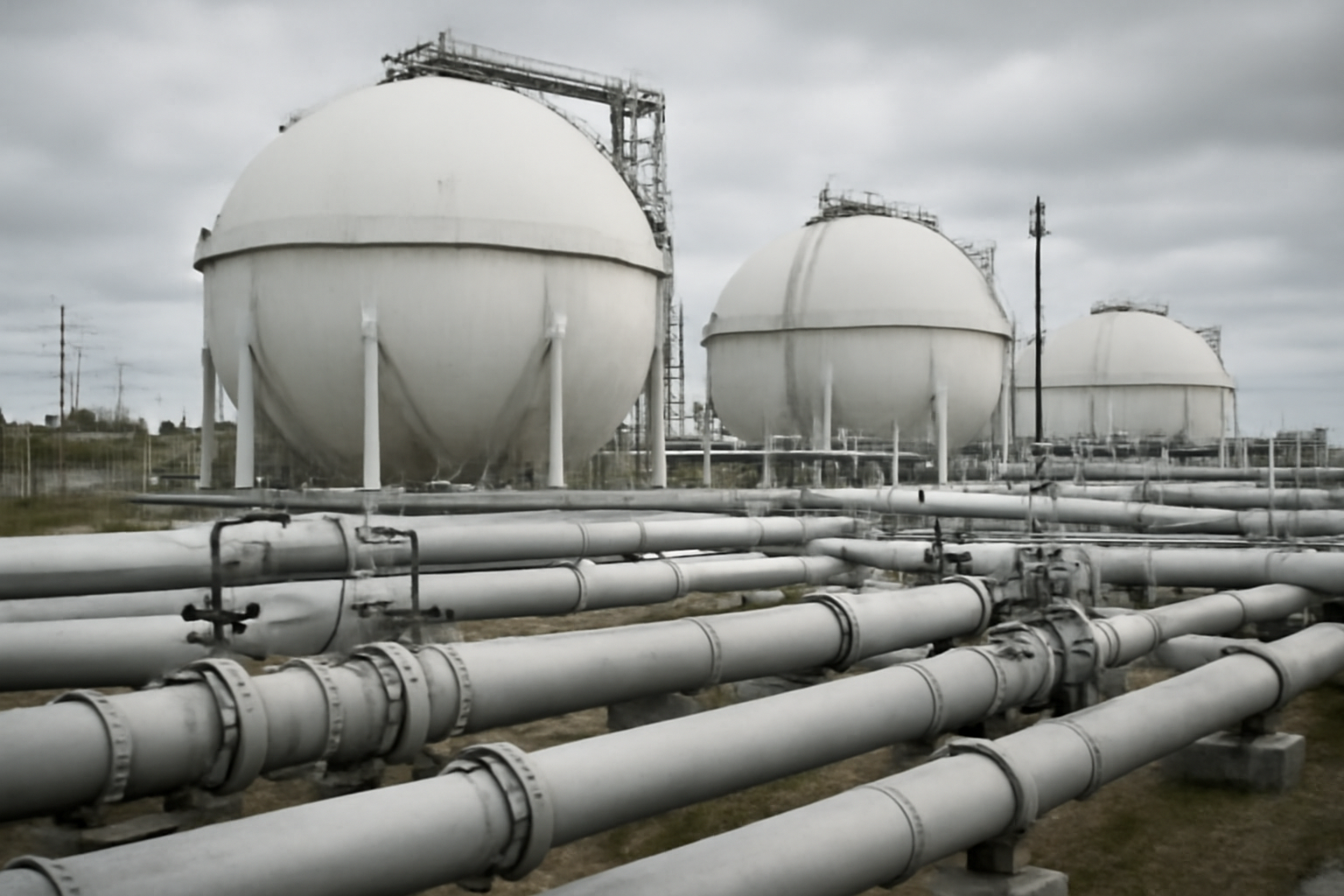
Germany is approaching the heating season with its natural gas storage facilities only about half full. The inventory position increases concern that prices could rise sharply during winter, particularly if colder weather accelerates withdrawals or supply conditions tighten. For energy companies, industrial consumers and traders, the storage level is therefore becoming a central measure of Germany’s ability to absorb seasonal demand.
The available information does not provide a detailed inventory volume, a comparison with previous years or a forecast for storage at the formal start of the heating period. It nevertheless presents a clear market signal: Germany has less stored gas available as a buffer than a fully replenished system would provide. That leaves prices more exposed to changes in temperatures, daily consumption and the flow of imported gas.
A supply system reshaped since 2022
Germany has separated its gas supply from Russia since the energy crisis of 2022. This has fundamentally changed the context in which storage levels are assessed. Inventories must now be considered together with imports, consumption and wholesale prices because the country can no longer treat Russian pipeline gas as the foundation of its supply balance.
The shift places greater weight on the continuity and cost of alternative imports. The headline information does not specify import volumes, supplier countries or the share delivered by pipeline and liquefied natural gas routes. These missing details will matter for determining whether incoming supply can cover consumption while preserving storage for the colder part of winter. A market with storage only half full has less room to manage an interruption, a demand surge or competition for available gas.
Winter prices depend on daily balances
The risk of strong winter price increases is not a forecast that shortages will necessarily occur. It reflects the reduced cushion available to the market. If imports remain sufficient and consumption is restrained, Germany can preserve inventories for periods of higher heating demand. If demand rises faster than supply, withdrawals will accelerate and traders may attach a larger risk premium to gas delivered later in the season.
Daily data on storage, prices, imports and consumption will consequently be more important than a single inventory reading. Producers and energy suppliers will watch whether storage continues to build before colder weather, while industrial buyers will assess the cost of securing volumes in advance. Importers will focus on the availability and price of replacement supply, and investors will monitor whether low inventories translate into sustained volatility. Germany has removed its former dependence on Russian gas, but entering the heating season with storage only half full shows that diversification has not eliminated exposure to winter market pressure.