Germany’s 2026 tobacco tax raises costs for e-cigarette liquids and pods
Germany has applied a tax rate of €0.32 per millilitre to substitutes for tobacco products since January 1, 2026. The measure is expected to increase consumer prices for e-cigarette liquids, pods and other vape products.
Higher rate takes effect
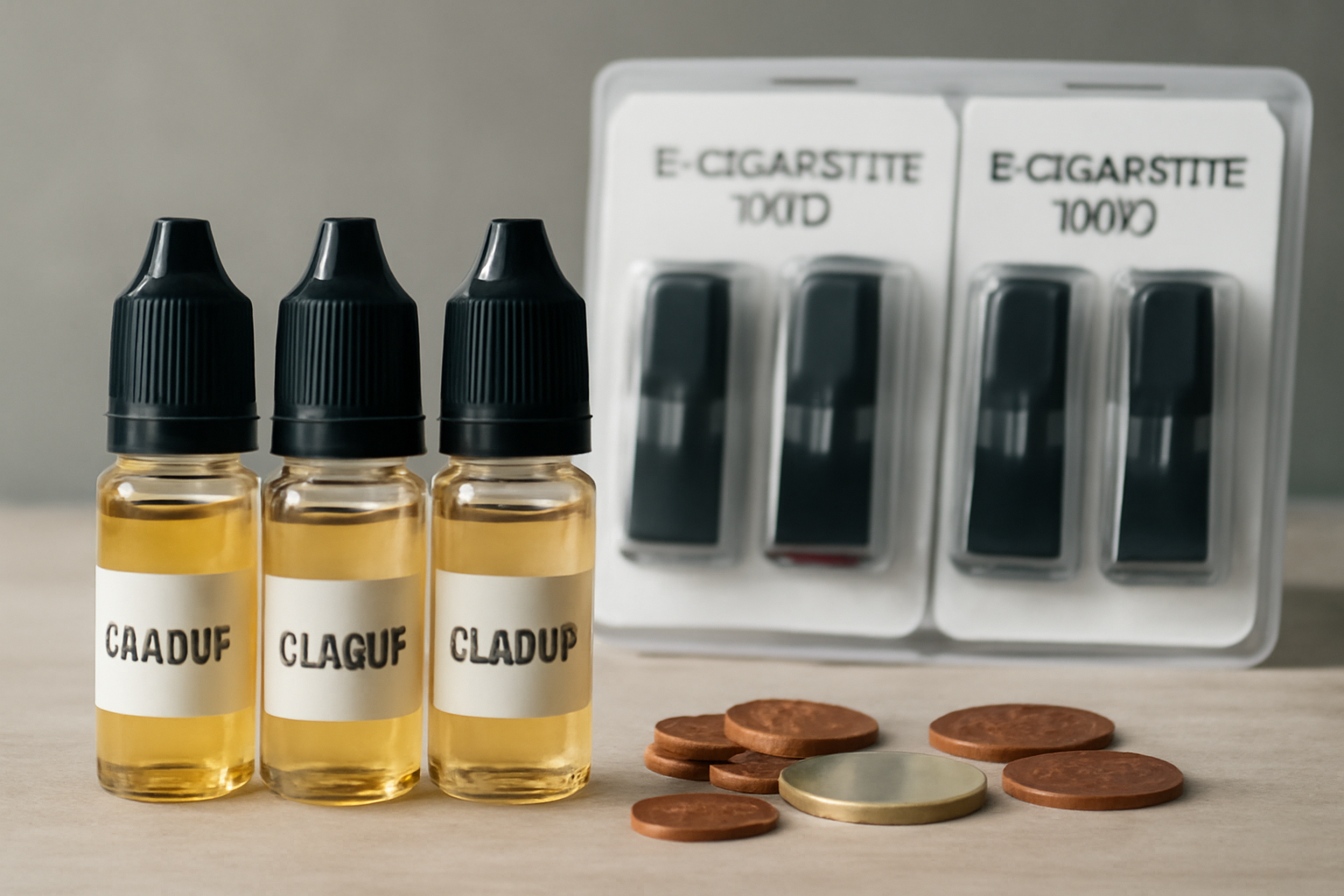
Germany has raised the tax burden on products classified as substitutes for tobacco products, adding pressure to prices across the country’s e-cigarette market. Since January 1, 2026, these products have been subject to a tax rate of €0.32 per millilitre, according to wallstreet-online.de. The measure covers the consumable liquids used in electronic cigarettes and therefore affects a broad range of liquids, prefilled pods and other vape products sold in Germany.
The tax is assessed by volume, making the size of a liquid container or pod a direct factor in the additional tax cost. At €0.32 per millilitre, a product containing 10 millilitres carries €3.20 in tax at the stated rate. A 2-millilitre pod carries €0.64. These calculations reflect the tax alone and do not include the underlying product cost or any other component of the final retail price.
Retail prices face upward pressure
The immediate commercial question is how much of the higher tax will be passed through to consumers. Wallstreet-online.de reports that e-cigarettes, liquids, pods and many vape products could become more expensive under the 2026 tobacco-tax rules. The effect on individual products will depend on their liquid volume and on how manufacturers, importers, distributors and retailers allocate the additional cost.
Businesses can absorb part of a tax increase through their margins, pass it on in full or combine both approaches. The source material does not provide company pricing plans or a forecast for the average retail increase. It nevertheless establishes a clear cost mechanism: each taxable millilitre adds €0.32 before companies make their own pricing decisions.
Pack sizes and product mix matter
The volume-based structure may have different consequences across the market. Larger bottles generate a higher absolute tax charge than smaller containers, while prefilled pods accumulate the levy according to the amount of liquid they contain. Producers and brand owners must therefore account for the rate in pack design, recommended prices and product portfolios. Wholesalers and retailers also need to reflect the tax in purchasing budgets, inventories and shelf prices.
For importers, the measure increases the tax-related cost attached to vape consumables entering the German market. The supplied material does not identify affected origin countries, trade volumes or changes to customs treatment, so no conclusion can be drawn about shifts in international supply. The direct impact described is domestic: taxable substitutes sold in Germany now carry the higher rate.
Market response remains uncertain
The final consumer impact will become clearer as new prices spread through retail channels. Products with different volumes may show different absolute increases, while competitive pressure could limit how quickly individual sellers pass on the full cost. Companies with lower margins have less room to absorb the levy than businesses able to offset it elsewhere in their portfolios.
No sales, revenue or consumption forecast is included in the supplied source material. It is therefore too early to quantify any effect on demand or on the balance between reusable devices, bottled liquids and prefilled systems. What is already measurable is the tax input: €0.32 for every millilitre covered by the rules from January 1, 2026. That figure now forms part of pricing decisions throughout Germany’s vape supply chain.