German wood pellet prices climb to new highs as heating season opens
Berliner Morgenpost reports that German wood pellet prices are climbing to new highs at the start of the heating season, with tonne prices still unpredictable. A year ago buyers paid roughly 110 euros less per tonne; February 2026 brought a first annual peak just above 400 euros, and the market has been rising sharply again since mid-June. Experts are split on whether prices ease in the short term or hold at this level.
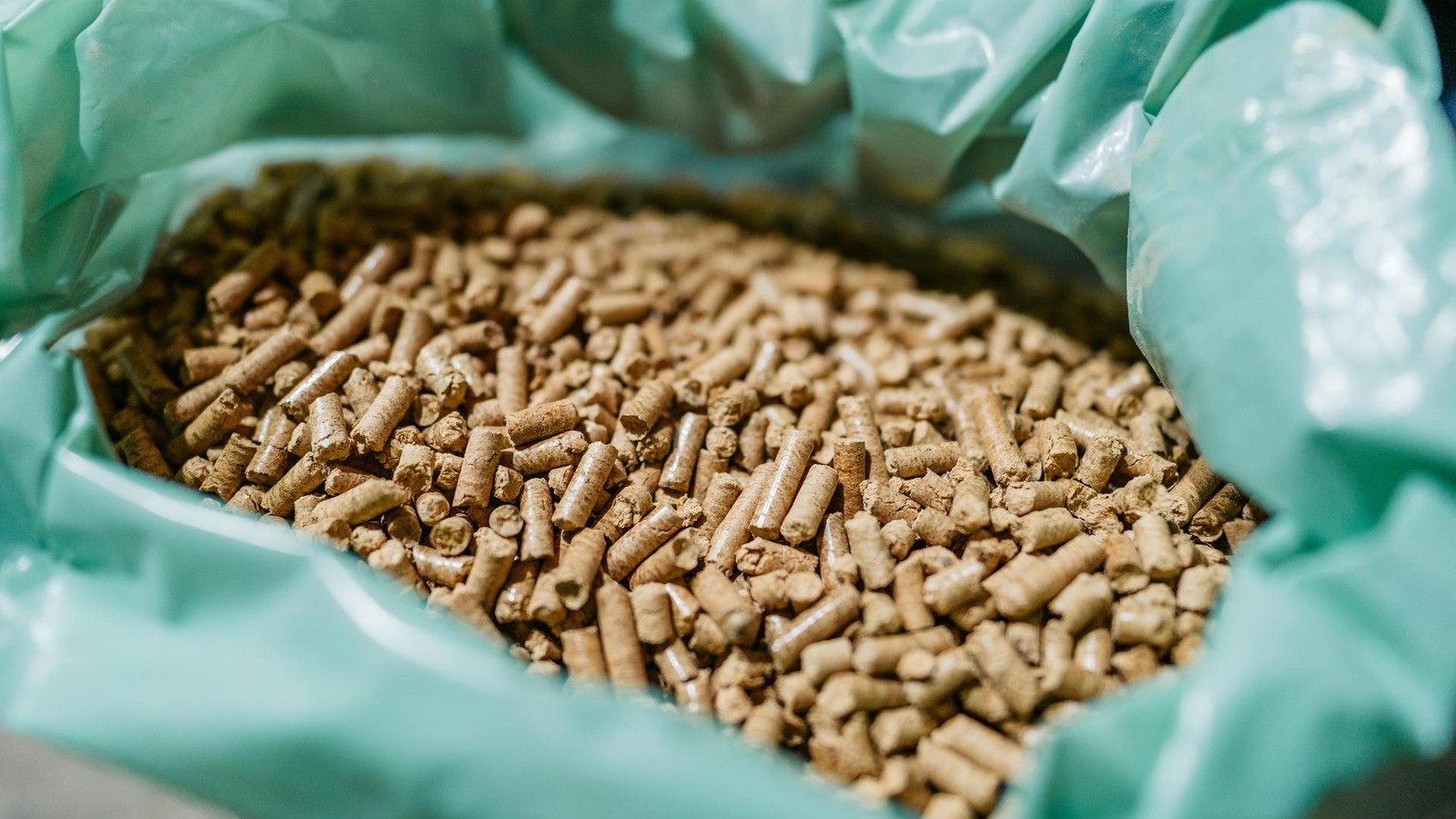
German wood pellet prices have returned to the upper end of their range just as the heating season begins. In its 1 October price update, Berliner Morgenpost reports that pellets are climbing to new highs, that tonne prices remain unpredictable, and that experts are divided over whether the market will ease in the short term or hold at the current level.
The per-tonne figures cited by the paper refer to bulk deliveries of loose pellets and are based on data from the trading portal Heizpellets24, with the table updated regularly. Morgenpost points out that pellets are bought differently from gas: instead of drawing fuel continuously through a pipeline, households take delivery of a large volume at once, much as with heating oil or cordwood. That makes purchase timing and supplier comparison a direct lever on the annual heating bill for households, and makes demand lumpy for suppliers.
From a February peak above 400 euros to a summer without a discount
A year ago consumers were paying roughly 110 euros less per tonne, according to Morgenpost. Prices then rose continuously. In February 2026 they reached a first peak for the year at just above 400 euros per tonne, before falling back. Since mid-June the market has been climbing sharply again.
That run cuts against the normal seasonal pattern. Wood pellets tend to be cheaper during the summer months, when heating demand is absent and stock-building is voluntary; the report names the 2022 energy crisis as the exception to that rule. The practical guidance set out by the paper is asymmetric: households holding no or only small stocks should act and buy at least a small quantity, while past price development remains the main reference for judging when to order.
Regional spreads: the south pays most
Location matters alongside season. Morgenpost reports clear differences between German federal states, grouped roughly into north/east, centre and south. As of September 2026, for an order volume of six tonnes and based on figures from energienutzer.de, buyers in southern Germany currently pay the most; the centre is cheaper, and northern prices sit only slightly above the centre.
The reason lies on the supply side: wood is processed differently from region to region, and different volumes of residual wood arise as a result. Pellets are a regional fuel, so prices can diverge locally. The paper cautions that these regional values are very general and that a price comparison pays off regardless of location, naming the portals energienutzer.de and Heizpellets24 as tools for that.
What moves the price
Morgenpost lists several factors behind pellet pricing:
- Availability and price of the raw material, wood.
- Seasonal swings in heating demand.
- Energy prices in general.
- Regional differences in production and logistics.
Quality and origin are the other variables for buyers. Certified pellets guarantee consistent quality and an efficient calorific value, while delivery terms and delivery costs can move the total price. The energy crisis of recent years has left pellet prices volatile, and they can rise or fall with the factors above.
Outlook contested
Morgenpost describes the future of the pellet market as hard to forecast reliably, dependent on energy price developments, demand for renewable heating solutions and energy policy decisions. Many experts regard pellets as a sustainable alternative to fossil fuels; others advise purely renewable options such as heat pumps or district heating.
On the household economics, the paper frames pellets as a potentially low-cost alternative to fossil fuels such as oil and gas, with the caveat that efficiency depends on the boiler, the insulation of the building and prevailing fuel prices.