German Retailers Withdraw Butter Discounts as Supply Tightens and Costs Rise
German retailers are withdrawing butter discounts as reduced deliveries and rising costs put upward pressure on prices. The shift indicates that stores have less room to use promotions to compete for customers.
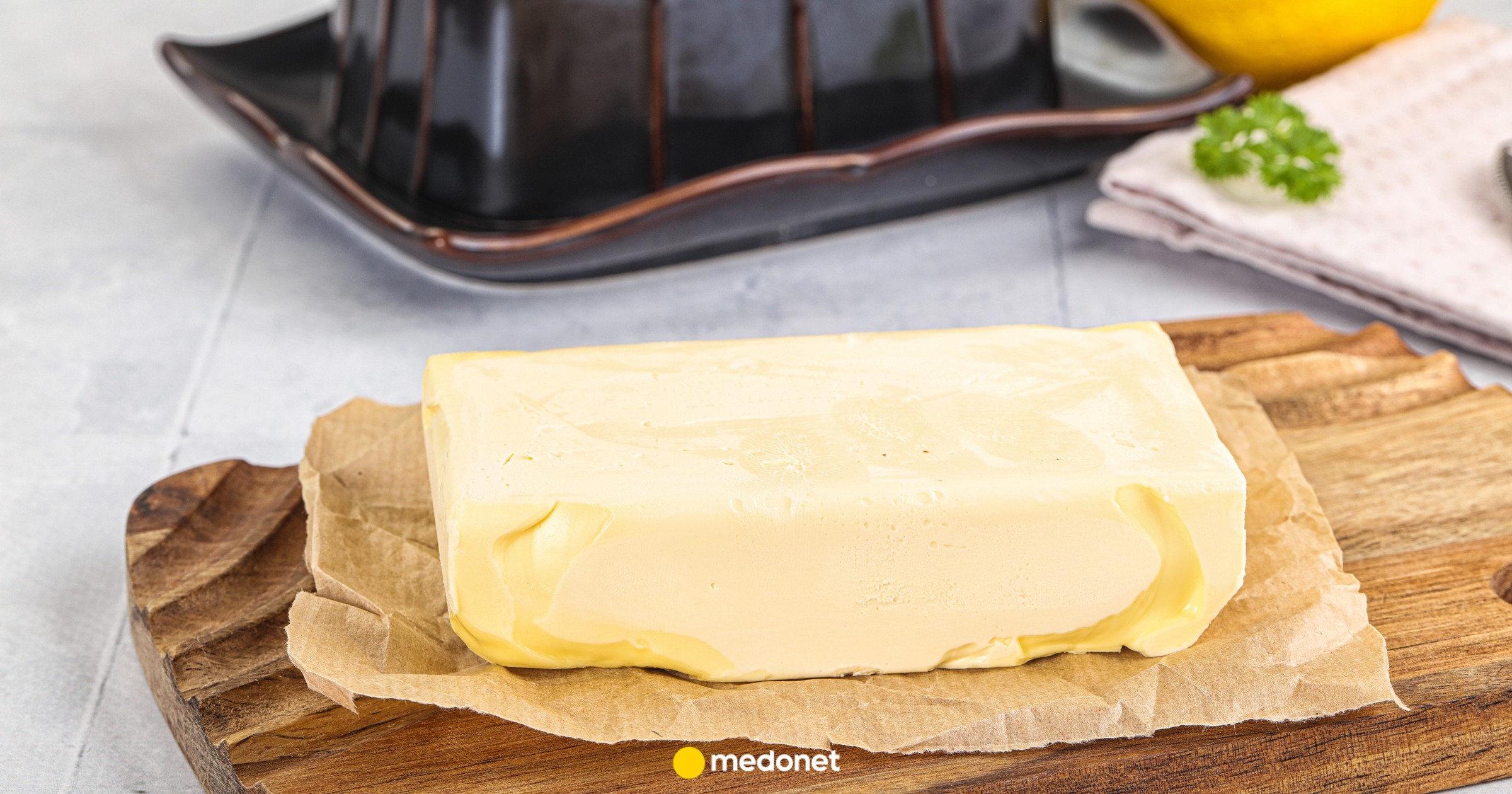
Retail discounts begin to disappear
Retail chains in Germany are withdrawing discounts on butter as the market responds to reduced deliveries and rising costs, Medonet reported, citing the German newspaper Die Welt. The report says butter prices, which had recently fallen to comparatively low levels, are now expected to increase further.
The withdrawal of promotions is an early signal that retailers have less flexibility to compete through price. Discount campaigns can temporarily lower the shelf price paid by consumers, but they are harder to maintain when available supply declines and costs increase. The change therefore points to firmer pricing conditions across Germany’s butter market rather than an isolated adjustment by a single seller.
Lower supply changes retailers’ calculations
Neither Medonet nor the cited account from Die Welt provides figures for the reduction in deliveries, the current retail price or the expected increase. The available information nevertheless identifies two pressures moving in the same direction: less product reaching the market and higher costs. Together, they reduce the commercial space for retailers to continue offering butter at discounted prices.
For supermarkets and discount chains, the immediate choice is whether to absorb the additional pressure in their margins or pass it to shoppers. The reported removal of discounts suggests that retailers are choosing to protect margins, at least partly, through higher effective shelf prices. Even if standard listed prices do not change immediately, fewer promotions increase the amount consumers pay over time.
Implications for dairy-market participants
Firmer retail pricing may support revenue elsewhere in the butter supply chain, but the source material does not establish how any increase will be divided among retailers, processors or milk producers. Higher costs could absorb part of the additional revenue. Without detailed information on production, processing and logistics expenses, a higher shelf price cannot automatically be treated as an improvement in producer profitability.
Processors and distributors will watch whether reduced deliveries persist. A short disruption could produce a temporary pause in promotions, while a longer period of limited supply would give sellers stronger grounds to maintain higher prices. Retailers, meanwhile, must balance margin protection against the risk that consumers reduce purchases or switch between brands when discounts disappear.
Price direction is clearer than its scale
The report presents a clear direction for Germany’s butter market but leaves the size and duration of the movement uncertain. There are no disclosed production volumes, wholesale quotations, retail price forecasts or dates for the expected increases. Market participants therefore have evidence of tightening conditions, but not enough data to quantify the effect on procurement budgets, processing margins or household demand.
For now, the most concrete development is the retreat from retail discounts. If deliveries remain constrained and costs continue rising, butter buyers should expect fewer promotional opportunities and continued upward pressure on prices. The pace of any increase will depend on how long the supply limitation lasts and how much of the cost pressure retailers and other participants are willing or able to absorb.