German potato harvest falls nearly one quarter as heat and drought hit supply
Germany’s potato harvest has fallen by nearly one quarter amid heat, drought and reduced planted area. The shortage of large processing potatoes could tighten supplies for french-fry producers and put upward pressure on prices.
Weather and acreage reduce the crop
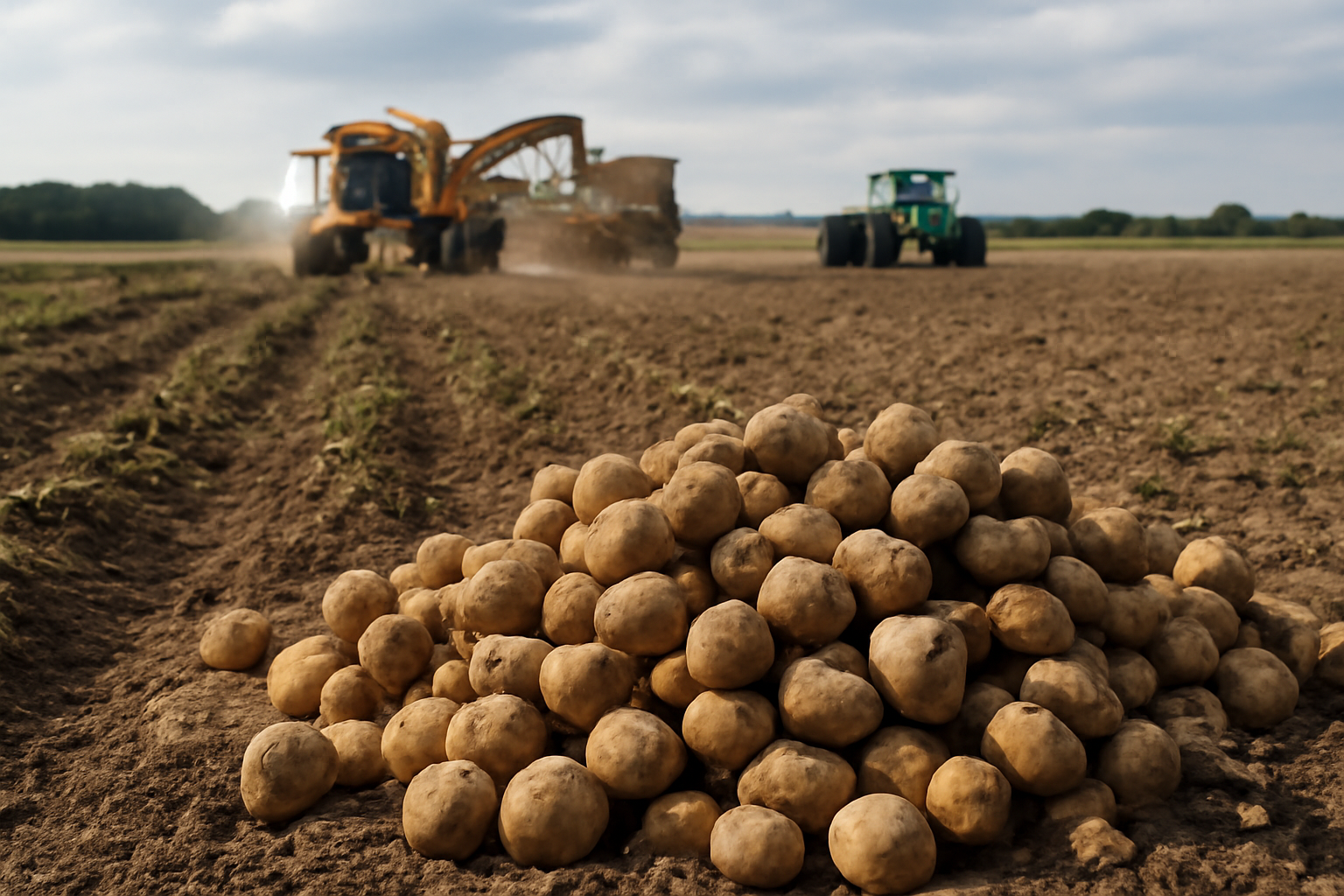
Germany’s potato harvest has fallen by nearly one quarter after heat, drought and a reduction in planted area constrained production. The decline affects the broader potato market, but the reported shortage is particularly acute for large tubers required by processors.
The contraction combines two different pressures on supply. Farmers planted less land with potatoes, limiting potential output before the growing season began. Hot and dry conditions then reduced the crop available from that smaller area. Together, these factors have left buyers competing for fewer potatoes.
No detailed production volume, regional breakdown or price estimate was provided. The scale of the reported decline nevertheless points to a substantial tightening compared with the previous harvest. Market effects will depend not only on total tonnage but also on how much of the crop meets the size and quality specifications set by processors.
Large potatoes become the key constraint
Large potatoes are especially important for french-fry production because processors need suitable tubers to cut fries efficiently and consistently. A crop can therefore appear adequate in aggregate while still leaving the processing segment short of usable raw material. The lack of large tubers raises the risk that french-fry manufacturers will face tighter procurement conditions than buyers serving other potato markets.
A shortage has not been confirmed, but the harvest result increases that risk. Processors may have to compete more aggressively for qualifying potatoes, adjust sourcing or accept lower plant utilization if sufficient raw material is unavailable. Producers holding potatoes of the required size and quality could gain stronger negotiating positions, while companies dependent on spot purchases would be more exposed to market volatility.
The consequences for consumers will depend on how much of any increase in raw-material costs processors and retailers can absorb. Potato prices could rise, especially in categories where specifications are strict, but the available information does not provide a forecast or quantify the potential change. Storage losses and the quality of potatoes placed into storage will also determine how long the tighter balance persists.
Processors assess supply options
For farmers, the smaller crop may support prices but does not necessarily offset lower yields or reduced marketable volume. For processors, the immediate task is to determine whether contracted supplies can cover production requirements and whether alternative purchases are available. Import demand could become relevant if domestic supplies of processing-grade potatoes prove insufficient, although no trade volumes or sourcing countries have been reported.
The central market issue is therefore the composition of the harvest, not only its overall size. Germany has fewer potatoes, and the deficit appears concentrated in the large tubers needed for french fries. That combination creates a credible risk of tighter processing supply and higher prices, but the final impact will depend on crop quality, inventories, contracts and the ability of buyers to find replacement material.