German potato harvest falls by 3.5 million tonnes after summer drought
Germany’s 2026 potato harvest is expected to fall to around 10.4 million tonnes from nearly 13.9 million tonnes in 2025. Drought, lower yields and an 11% reduction in planted area are tightening supplies of large potatoes used for french fries.
Harvest drops from a record year
Germany’s potato harvest is expected to fall by about 3.5 million tonnes in 2026 after drought reduced yields and farmers planted less land. Wetter.net, citing preliminary figures from the Federal Statistical Office, reported production of around 10.4 million tonnes, compared with nearly 13.9 million tonnes in 2025. The previous crop was Germany’s largest potato harvest since 1990, creating a particularly high base for this year’s decline.
The average yield is forecast at less than 40 tonnes per hectare, about 15% below the previous year. At the same time, growers reduced the planted area by around 11% to 268,300 hectares. The combination of lower acreage and weaker field performance accounts for the sharp national production loss. North Rhine-Westphalia, one of the country’s main growing regions, expects a crop of around 1.8 million tonnes, according to the state statistical office. That would be 27.8% less than in 2025.
Processors face shortage of large potatoes
The drought affected both crop volume and tuber size. Germany’s association of fruit, vegetable and potato processors said large potatoes suitable for french fries are particularly scarce. This creates a more specific problem than the headline production decline: processors require potatoes that meet size and quality specifications, so a crop may remain adequate for the fresh market while leaving industrial buyers with fewer usable raw materials. Higher prices are already visible in market quotations, according to wetter.net.
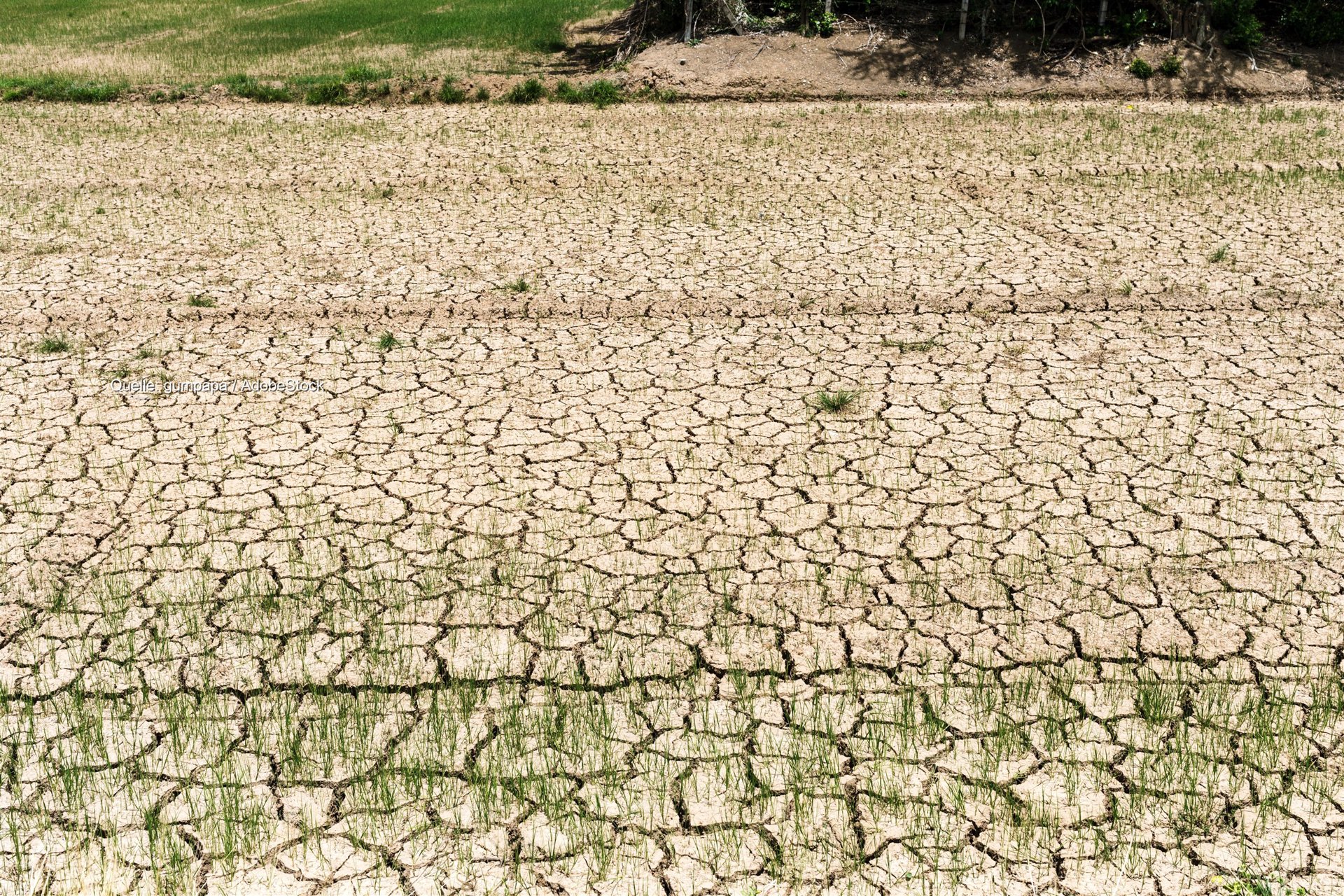
Harvesting conditions have also raised quality risks. Potato plants have shallow roots and need a consistent water supply during tuber formation, but that moisture was missing for weeks during the summer. The dried soil later became extremely hard, making lifting more difficult and increasing the likelihood of soil clods and damage to potatoes during harvest. Damaged tubers can reduce the volume suitable for storage or processing, adding pressure beyond the decline measured in field output.
Domestic supply remains covered
The German government nevertheless considers national supply secure. Germany normally produces around 45% more potatoes than it consumes domestically, providing a buffer against the smaller harvest. The Federal Ministry of Agriculture therefore expects prices to remain stable over the medium term, even though current trade quotations have moved higher and processing-grade potatoes are tight. The impact is likely to vary by segment: fresh-market availability may remain sufficient, while french fry manufacturers and other processors compete more actively for larger, undamaged tubers.
Rain arriving after the drought cannot restore the lost crop, but it should help growers complete the remaining harvest. Wetter.net forecast 15 to 40 litres per square metre through Monday in the major production regions of Lower Saxony and North Rhine-Westphalia, with higher totals possible near the North Sea. Softer ground should make lifting easier and may limit further mechanical damage. For producers, processors and buyers, however, the commercial balance for 2026 has already been set by the reduced area and the lack of water during the critical growing period.