German pork cold-storage stocks rise to 104,000 tonnes as supply pressure builds
German cold stores held an average of 104,000 tonnes of pork from January through July 2026, up from 97,000 tonnes a year earlier. top agrar linked the moderate increase to ample market supply and additional volumes remaining in the EU after African swine fever restricted Spanish exports to important third-country markets.
Inventories exceed the previous two years
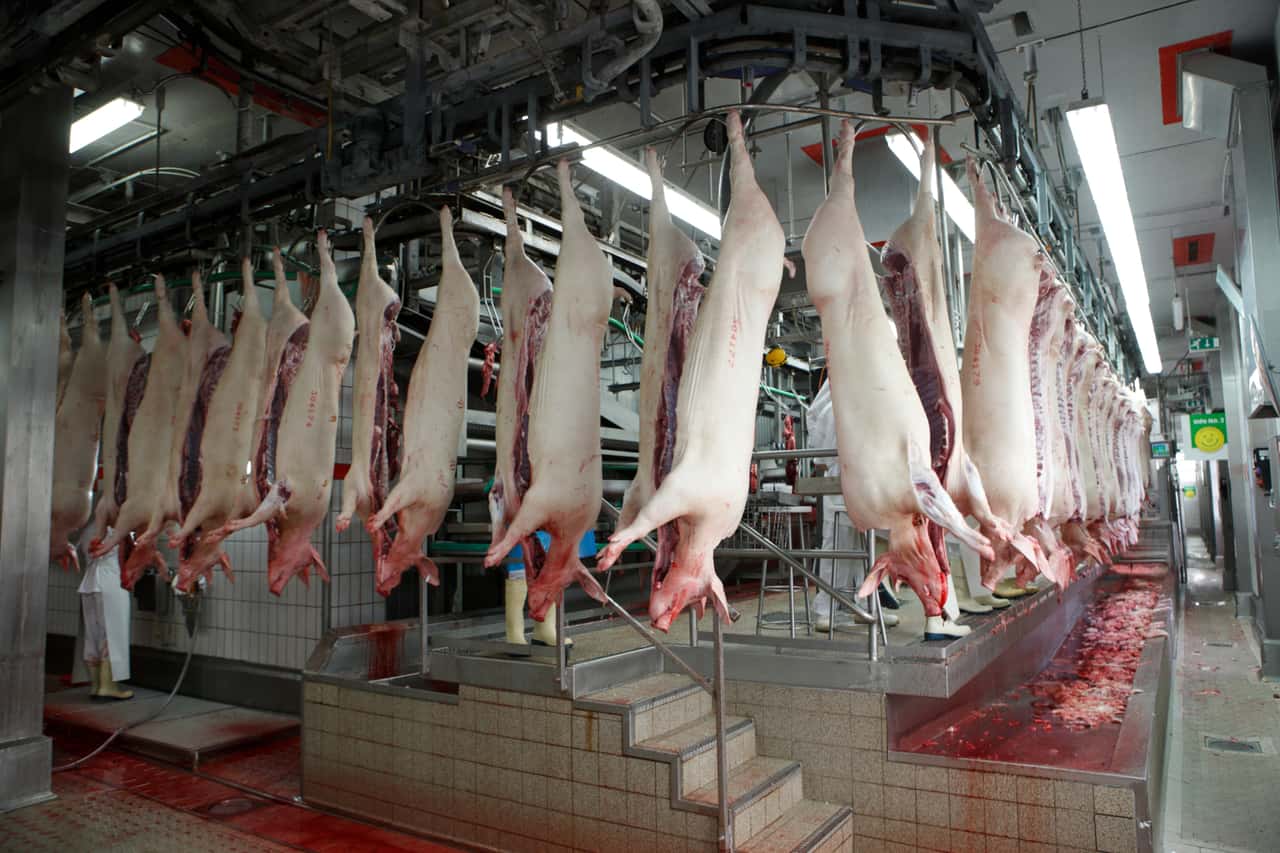
German refrigerated and frozen warehouses held an average of 104,000 tonnes of pork during the first seven months of 2026, according to top agrar. The figure was 7,000 tonnes above the 97,000 tonnes recorded in the same period of 2025. It also exceeded the 2024 average of 101,000 tonnes, indicating that more product was available for storage than in either of the previous two years.
The figures cover facilities belonging to the German Association of Cold Storage and Cold Chain Logistics Companies, known as VDKL. Stocks began the year at a comparatively low level, but more pork entered storage during the spring. Inventories then remained broadly stable and consistently stood slightly above the previous year's level.
Ample supply weighs on the pork market
top agrar described the German pork market in 2026 as more than adequately supplied. Prices came under pressure repeatedly, and quotations even declined temporarily during the barbecue season, an unusual development for a period that normally supports demand for pork cuts.
The higher stock level is therefore a sign that available supply was not fully absorbed by current consumption and sales channels. However, the increase remained moderate. The average inventory was about 7.2% above the previous year's 97,000 tonnes, while the gap compared with 2024 was roughly 3%. The data do not point to a sharp or uncontrolled accumulation of pork.
Spanish export restrictions affect the EU market
Trade conditions elsewhere in Europe contributed to the pressure. According to top agrar, African swine fever restricted Spain's ability to supply important markets outside the EU. Pork that could not reach those third-country destinations remained available within the European single market, adding to regional supply and reinforcing pressure on prices.
For German processors and wholesalers, fuller cold stores provide a larger buffer of readily available meat and reduce the immediate need to compete aggressively for additional product. That can limit opportunities for producers to secure stronger prices. It may also temper German import demand while domestic and other EU-origin supplies remain abundant, although the source provided no import-volume forecast.
Moderate increase still matters for production decisions
The inventory figures alone do not establish how long the imbalance will last. They do show that seasonal demand was insufficient to prevent prices from weakening and stocks from staying above the previous year. Producers will therefore be watching slaughter demand, wholesale quotations and Spain's access to non-EU markets. If Spanish export restrictions persist, more pork may continue to circulate within the EU; if those outlets reopen, some pressure could ease. For now, the 104,000-tonne average signals ample supply rather than a severe storage overhang.