German pig breeder Geestferkel enters insolvency with 23 sites and 188 jobs at risk
Geestferkel GmbH has entered preliminary insolvency proceedings after falling pig and piglet prices collided with rising operating costs. The company employs 188 people and keeps about 21,900 sows and 3,000 finishing pigs across 23 German sites.
Preliminary insolvency covers operations in four states
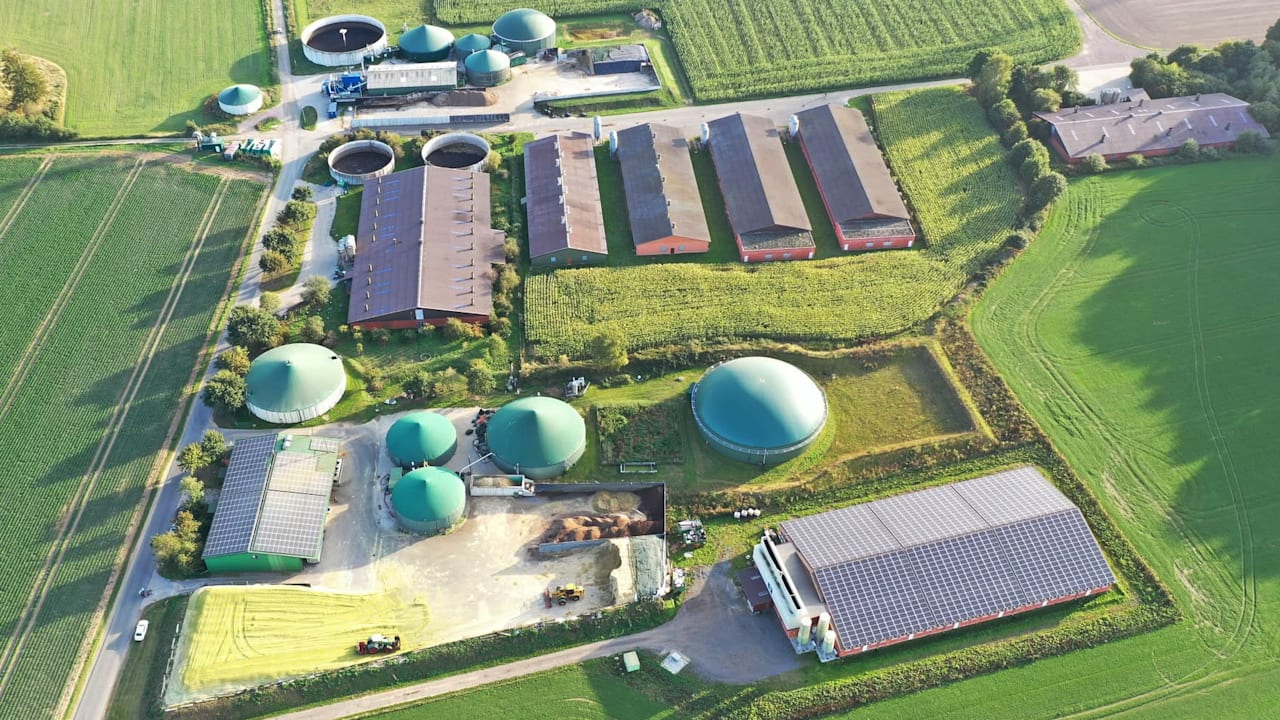
Geestferkel GmbH, one of Germany’s largest piglet producers, has entered preliminary insolvency proceedings, putting 188 jobs and livestock operations at 23 sites under pressure. Bild reported that the Delmenhorst Local Court ordered preliminary insolvency administration on Wednesday. The company is based in Wildeshausen, Lower Saxony.
The group operates in Lower Saxony, Brandenburg, Saxony-Anhalt and Mecklenburg-Western Pomerania. Across those sites, it keeps approximately 21,900 sows and about 3,000 finishing pigs. Its annual revenue exceeds €40 million, giving the proceedings significance beyond an individual farm and linking them to breeding, feed, veterinary, transport and slaughtering businesses across several regions.
Maintaining care for tens of thousands of animals is the immediate priority. The preliminary insolvency administrator has brought in restructuring specialist André Zimmermann to assist with the process. Any rescue will have to preserve feed deliveries, staffing and animal welfare while the administrator examines whether the operating businesses can continue.
Pig prices fall below reported production costs
According to Bild, the company attributes its financial difficulties to a sharp decline in meat prices alongside higher expenditure on feed, energy, wages and financing. Piglets are currently fetching as little as €30 each in some transactions, while finishing pigs are priced at roughly €1.40 per kilogram of carcass weight.
Geestferkel says these prices generate losses of more than €25 per piglet and over €50 per finishing pig. At that level, increasing output would not repair the company’s finances because each additional animal could deepen the operating loss. The pressure also reaches suppliers and buyers that depend on the group’s production volumes.
Zimmermann told Bild that many businesses in the pig sector are simultaneously facing severe price declines and high recurring costs. Geestferkel’s scale makes its case a prominent sign of those wider pressures. If part of its capacity is idled or permanently closed, downstream finishing farms could lose a major source of piglets, while local service providers would face lower demand.
Animal-welfare investment becomes part of the debate
The company says all its sow barns meet the criteria of Germany’s Initiative Tierwohl animal-welfare programme. Managing director Jörn Ahlers argues that producers investing millions in higher standards are economically penalised when market revenue does not cover ongoing costs. He is calling for new pricing models and a fixed government bonus.
The insolvency therefore raises two separate questions for Germany’s pork industry: whether Geestferkel’s 23-site network can be preserved, and how higher animal-welfare costs should be financed. Ahlers has warned that German piglet production has little future unless political and economic conditions change fundamentally. The immediate outcome will depend on the restructuring process, but the combination of low livestock prices, costly financing and rising operating expenses is already testing the viability of large domestic producers.