German organic sales rise 4.9% as regional tomato supplies tighten
German organic food and beverage sales grew 4.9% year on year in the first half of 2026, while reduced harvests tightened organic tomato availability. Imports account for about 88% of organic tomatoes marketed in Germany, exposing the sector to weather disruptions in southern Europe.
Organic demand grows as tomato availability falls
Sales of organic food and beverages in Germany increased 4.9% year on year in the first half of 2026, according to FreshPlaza. The expansion contrasts with tighter supplies in the current organic tomato season, where lower harvest volumes have met lively demand. Germany’s organic produce sector is therefore confronting a familiar mismatch: consumer spending is growing, but regional growers cannot quickly expand output when imported supply becomes less reliable.
AMI reported smaller tomato harvests as climatic problems affected European production regions. Rudolf Dworschak, chairman of the organic fruit and vegetable producers’ association Bio.Fru.Pro, said its members’ organic greenhouses were completely sold out and that everything currently produced was being absorbed immediately by the market. This indicates that the shortage is not caused by weak domestic demand, but by insufficient available volume.
Import dependence amplifies weather risk
About 88% of the organic tomatoes marketed in Germany come from abroad, according to the latest detailed AMI analysis of product flows cited by FreshPlaza. German organic tomato production totaled 19,563 tonnes in 2025. The difference between the domestic share and the volume supplied by foreign producers leaves retailers and consumers exposed when heat or other weather extremes reduce harvests in southern Europe.
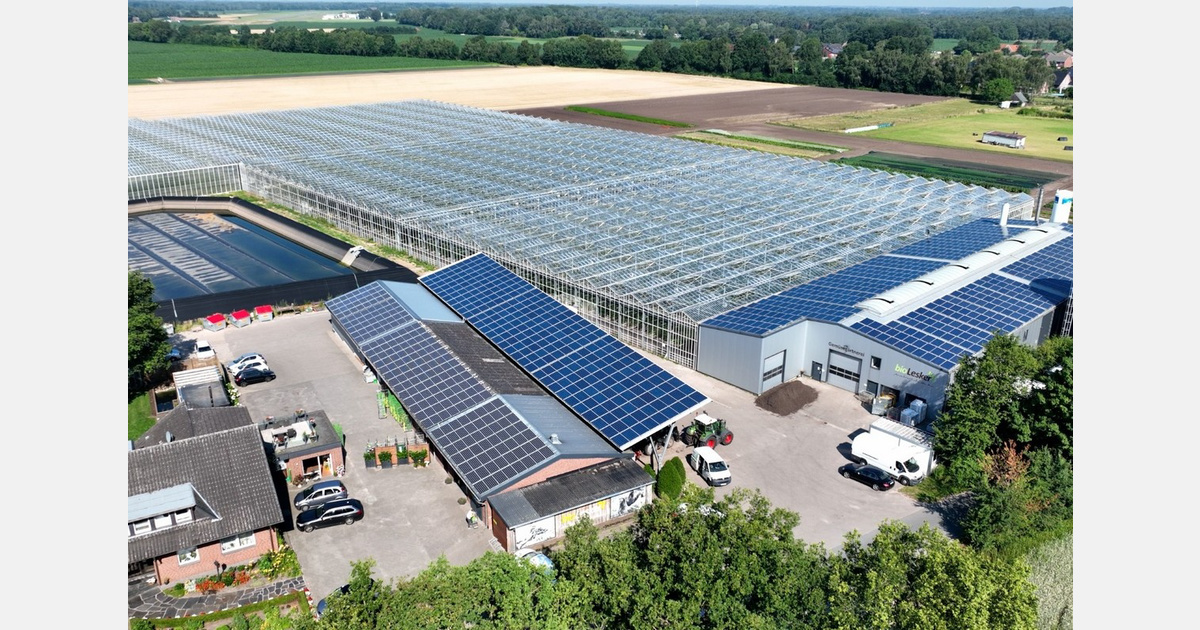
Bio.Fru.Pro argues that modern German greenhouses can maintain comparatively stable yields during difficult weather. Dworschak said yield fluctuations under extreme conditions are significantly more moderate in these facilities. The association does not propose replacing imports, which retailers use to stabilize consumer prices. Instead, it wants a gradual increase in regional production that would provide additional supply in poor import years while preserving retailers’ flexibility.
The commercial challenge becomes more visible when harvest conditions improve abroad. In years of abundant southern European production, cheaper imports can displace German tomatoes and cucumbers. Michael Schudde, Bio.Fru.Pro’s managing director for southern Germany, said members had to destroy produce during the demand-weak years of 2023 and 2024 after lower-priced imports pushed it out of the market. That experience now weighs on investment decisions, even as current supplies fall short.
Growers seek commitments before expanding
German organic growers have projects ready to add fruit and vegetable cultivation area, according to Bio.Fru.Pro. However, rising production and investment costs, combined with price pressure from imports, are hindering implementation. Modern organic greenhouses require long-term capital commitments, while demand and competing import volumes can change substantially between seasons.
The association is calling for closer and more binding cooperation between retailers and producers. Proposed measures include meaningful volume agreements, purchase commitments and balanced pricing structures. Such arrangements would distribute commercial risk more evenly: growers would gain confidence that expanded production could be sold at an adequate price, while retailers would retain access to imports and obtain a stronger regional supply buffer when foreign harvests disappoint.
For Germany’s organic market, the immediate shortage highlights a broader capacity question. A 4.9% increase in sales supports the case for investment, but one strong half-year cannot by itself secure greenhouse expansion. Producers need dependable outlets across both scarce and abundant import seasons. Without agreements that address that volatility, Germany may remain heavily reliant on foreign organic tomatoes and face renewed shortages whenever adverse weather constrains European supply.