German grain industry calls for more wheat exports to North Africa as Black Sea risks rise
Germany’s grain industry is urging the country to assume a larger role in supplying North Africa and the Middle East as attacks disrupt Black Sea export routes. Germany has exported about 4 million to 4.5 million tonnes of wheat and barley annually to non-EU markets in recent years.
Industry seeks a larger German supply role
Germany should take greater responsibility for supplying foreign grain markets as intensifying attacks disrupt ports, vessels and export routes in the Black Sea, according to the German Cooperative and Raiffeisen Association, or DRV. The association represents more than 1,600 companies in Germany’s agricultural and food industries.
DRV spokesman Marcus Gernsbeck told Berliner Zeitung that recent global disruption showed the importance of Germany using its available capacity to support overseas markets, including countries outside the European Union. German grain exports already go primarily to North Africa and the Middle East, regions that are also major buyers of wheat from Russia and Ukraine.
Eastern regions supply export-quality wheat
Much of Germany’s quality wheat intended for export comes from its large eastern arable regions, particularly Saxony-Anhalt, Mecklenburg-Western Pomerania and Thuringia. Bavaria and Lower Saxony are also important sources. According to the industry, these surplus-producing regions account for a substantial share of shipments to non-EU destinations.
Germany is largely self-sufficient in wheat and barley. Gernsbeck said the country does not depend on imports for these crops and exported about 4 million to 4.5 million tonnes of wheat and barley annually to non-EU markets in recent years. The Association of Grain, Milling and Starch Industries has also said that about 95% of the wheat processed by German mills comes from domestic farms, with most of the remainder supplied by neighboring EU countries.
Black Sea disruption raises costs and price risks
Berliner Zeitung reported that Russia and Ukraine have sharply intensified attacks on ports, ships and export routes since the beginning of July. Terminals are increasingly becoming unavailable, ships face delays and routes are being interrupted. Because both countries are leading suppliers to the global grain market, disruption places additional pressure on alternative exporters such as Germany.
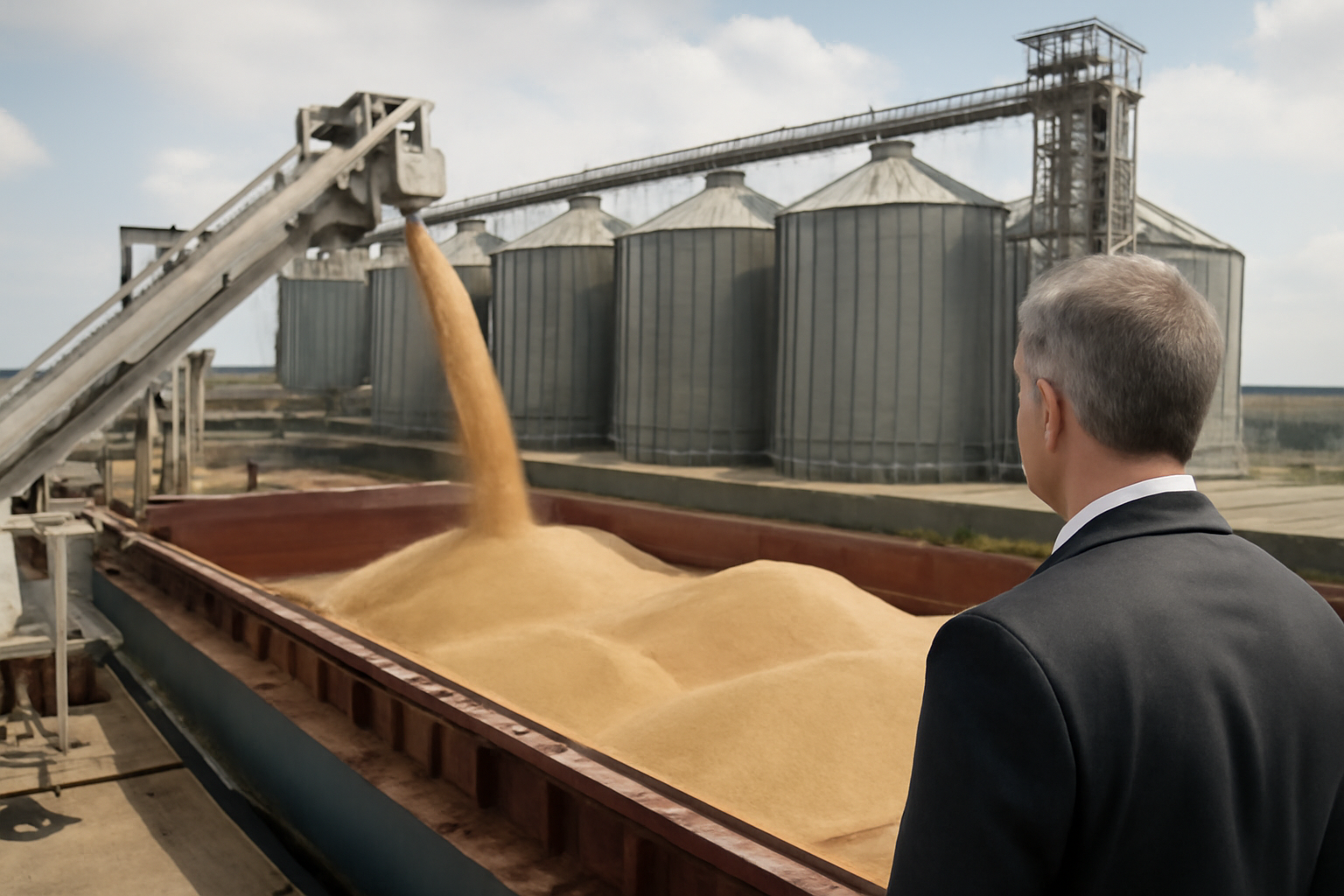
Grain that cannot be shipped promptly may be stored if sufficient capacity is available. Stephanie Kröger, deputy managing director for agricultural and trade policy at the Federal Association of Agricultural Trade, said storage ties up capital, creates additional costs and increases the risk of quality losses and price discounts over time. A transport disruption can therefore develop into a direct financial problem for producers.
Futures rise, but bread impact may remain limited
International wheat futures have already risen significantly following the latest escalation, according to the DRV. The association nevertheless does not expect higher world grain prices to translate automatically into more expensive bread in Germany. Gernsbeck said the grain contained in a bread roll represents only a low single-digit number of euro cents.
Personnel, energy and regulatory expenses have a greater influence on retail bakery prices, the association said. For German growers and traders, however, stronger demand from North Africa and the Middle East could create additional outlets for export-quality wheat. Their ability to respond will depend on available surpluses, storage and logistics while Black Sea routes remain unreliable.