German EV prices fall 18% as EU charging capacity outpaces adoption
Comparable electric vehicles in Germany became 18% cheaper in real terms between 2020 and 2025, according to a Fraunhofer ISI and ICCT study. EU public charging points increased fivefold over the same period, leaving infrastructure growth ahead of electric vehicle adoption.
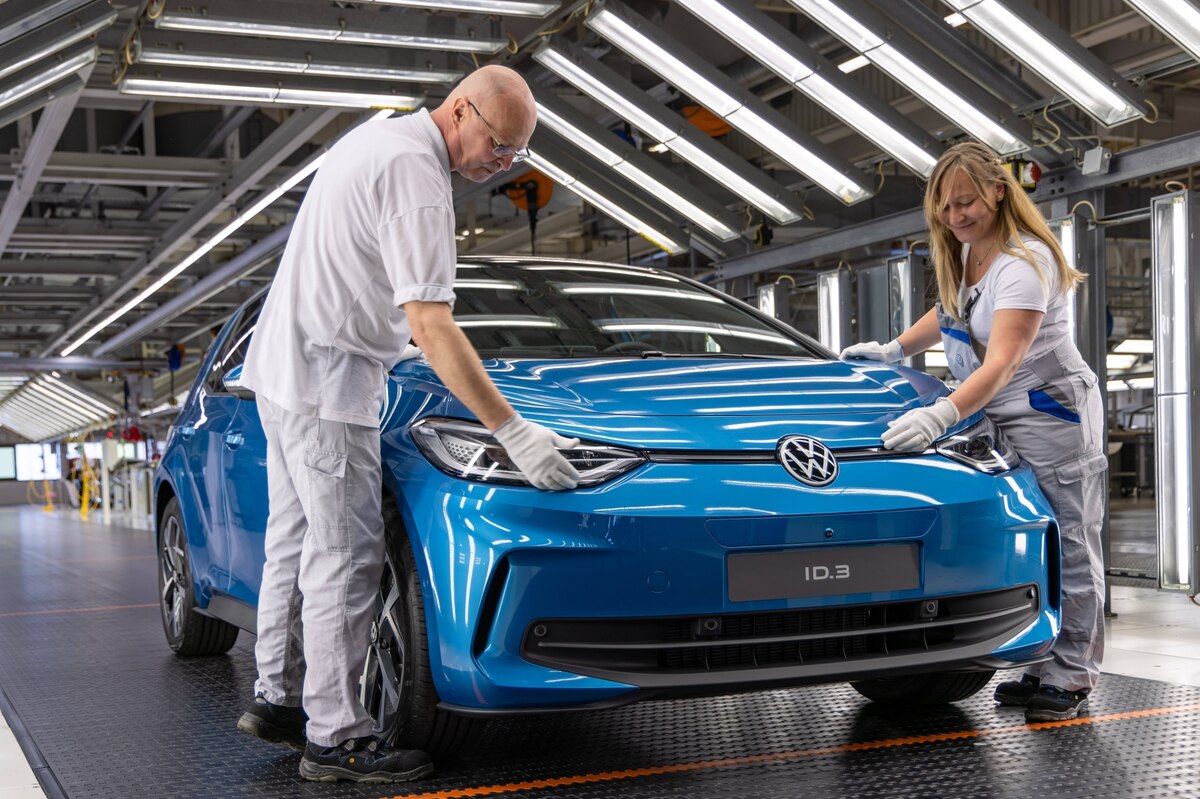
Comparable electric vehicles become cheaper
Electric vehicles in Germany became 18% cheaper in real terms between 2020 and 2025, according to a joint study by the Fraunhofer Institute for Systems and Innovation Research ISI and the International Council on Clean Transportation. Over the same period, real prices for internal-combustion vehicles increased by 2%.
The nominal average price of an electric vehicle on the German market nevertheless rose from about €37,000 to €53,000. The researchers said this increase reflected a change in the product mix rather than higher prices for individual models: medium-sized and upper-medium vehicles accounted for a larger share of the market in 2025. Their real-price calculation tracked comparable models and adjusted for inflation and characteristics including weight, motor power and driving range. The analysis covered more than 100,000 records from an ADAC database across six vehicle segments.
More models and longer ranges
The German market offered 159 electric models in 2025, four times the number available in 2020. Average driving range increased by one-third over the five-year period, while vehicles also offered more motor power, Peter Mock, ICCT managing director for Europe, told taz.
Availability remains more limited at the affordable end of the market. The mini and small-car segments contained 19 electric models in 2025, compared with 35 combustion-engine models. The ICCT and Fraunhofer ISI called for stable policy conditions, including dependable long-term CO₂ limits for manufacturers’ new-car fleets, to support electrification across all segments.
Battery-electric vehicles led German registrations by powertrain for the first time in June, supported by a renewed purchase incentive. They represented 28.4% of new registrations, narrowly ahead of hybrids at 28.1%. Petrol vehicles accounted for 20.5% and diesel vehicles for 11.4%. Despite that monthly result, Germany had just over 2 million battery-electric vehicles at the beginning of 2026, equal to 4.1% of all registered motor vehicles.
Charging construction runs ahead of sales
Public charging infrastructure is expanding faster than the electric fleet. The number of public charging points in the EU increased fivefold between 2020 and 2025, according to an analysis by Transport & Environment reported by taz. By the end of March, every EU member state except Malta had more than enough public charging capacity for its existing electric vehicles.
When national targets based on the EU’s Alternative Fuels Infrastructure Regulation are combined, existing charging infrastructure exceeded the target applicable to the current electric fleet by 180%. The regulation also requires fast chargers at intervals of 60 kilometres on major European transport corridors. In June, nearly four out of five roads in the core network met that requirement. The largest gaps remained in eastern EU countries and Spain, although fast-charging networks in those markets were among the fastest growing. T&E said operators must now improve usability and price transparency. For automakers and charging companies, the figures indicate that vehicle affordability and model availability—particularly in smaller segments—may be more immediate constraints on adoption than aggregate charging capacity.