German dairies prepare to seek higher prices for drinking milk
German dairy processors are preparing for negotiations over prices for drinking milk and other products in the white-line category. Industry representatives expect higher prices despite adequate milk availability, putting purchasing terms and processor margins at the center of the talks.
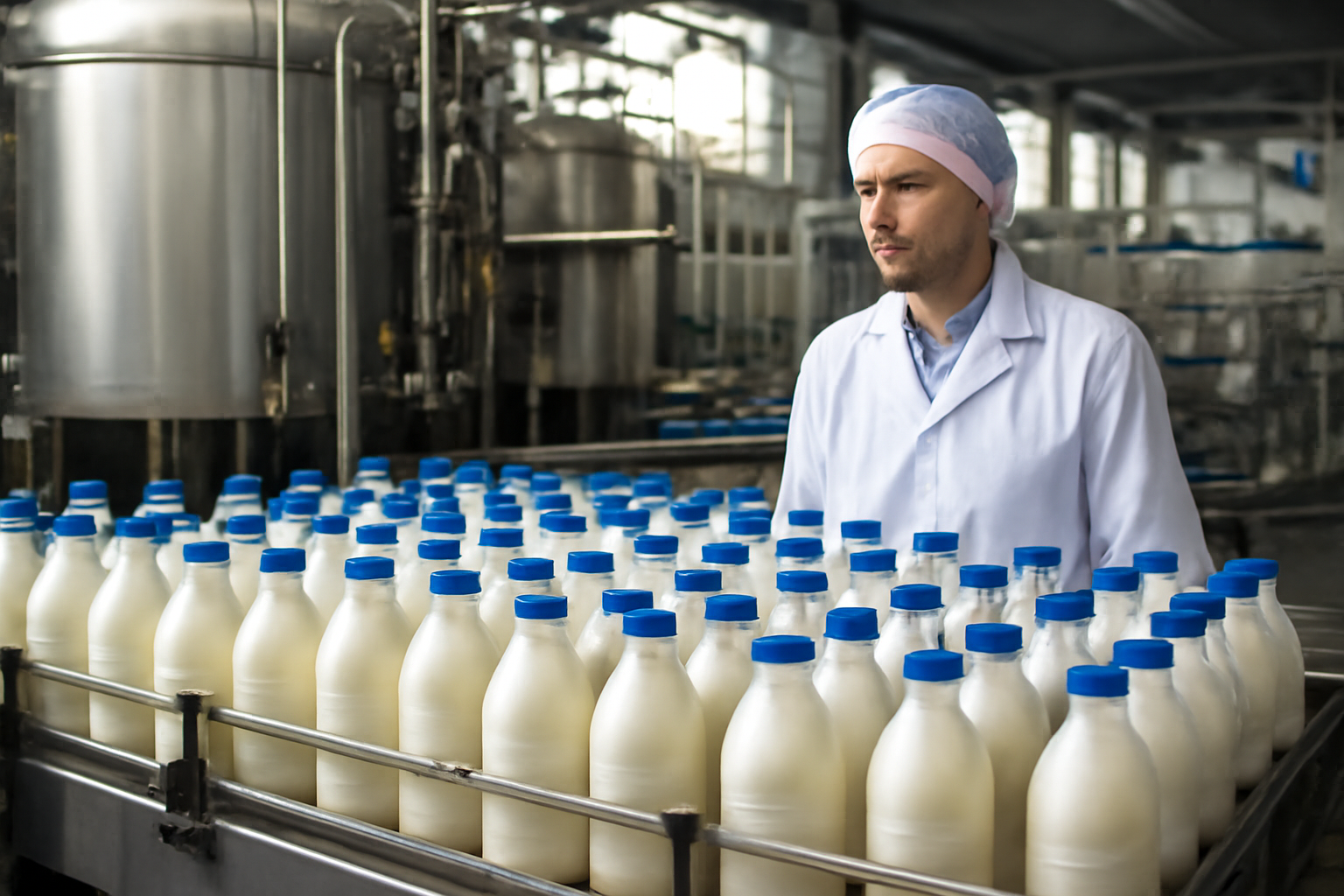
Processors prepare for negotiations
German dairy processors are preparing to negotiate higher prices for drinking milk and other products in the so-called white line, the segment covering standard fresh dairy products. The talks will test whether dairies can improve their selling terms even though the market currently has adequate milk availability.
The expected push for increases highlights the distinction between the physical supply of raw milk and the commercial price of processed dairy products. Sufficient availability reduces the risk of an immediate supply shortage, but it does not by itself determine the price agreed between processors and their customers. Negotiations can also reflect processing economics, contract conditions and the ability of suppliers and buyers to defend their margins.
No proposed price level, implementation date or individual company position was disclosed in the supplied material. The outcome therefore remains uncertain. The immediate development is the start of commercial positioning before negotiations, rather than a confirmed increase in retail or wholesale prices.
Adequate supply shapes bargaining positions
Milk availability will be central to the balance of power. Buyers can point to sufficient supply when resisting increases, while dairies must show why current selling prices do not adequately reflect the economics of processing and supplying white-line products. Without evidence of scarcity, processors may need to rely more heavily on their cost base, product mix and contractual arguments.
For milk producers, higher prices for processed products would not automatically guarantee improved farm-gate returns. The effect depends on how contracts between farmers and dairies transmit revenue and costs through the chain. A successful increase could give processors more room to support milk payments or protect margins, but the supplied material does not specify how any additional revenue would be distributed.
Retailers and other buyers face a different calculation. Accepting increases could raise procurement costs across frequently purchased dairy categories. Rejecting them could place pressure on processors whose margins depend on negotiated selling prices. Adequate milk supply gives buyers leverage, but switching suppliers also depends on product specifications, processing capacity, logistics and existing commercial relationships.
Implications for the German dairy market
The negotiations matter because drinking milk is a high-volume category with direct exposure to household demand. Changes in contract prices can affect processor revenue across large volumes even when the increase per unit is limited. They can also influence discussions for adjacent white-line products, depending on the scope of individual supply agreements.
Processors will need to balance the demand for higher prices against the risk that customers shift volumes or intensify competition between suppliers. Buyers, meanwhile, must judge whether resisting increases could weaken supply relationships or reduce the commercial sustainability of processing contracts.
For market participants, the key signals will be whether higher prices are actually agreed, which products are covered and when revised terms take effect. Until those details emerge, the planned push indicates firmer negotiating ambitions among German dairies, not a confirmed change in consumer prices or milk supply.