German crop producer prices fall 10.4% in May
German farmers received 10.4 percent less for plant products in May than a year earlier, according to official statistics. The drop squeezes farm-gate revenue across the arable sector and shifts price competitiveness for German crop exports.
German crop producer prices fall sharply in May
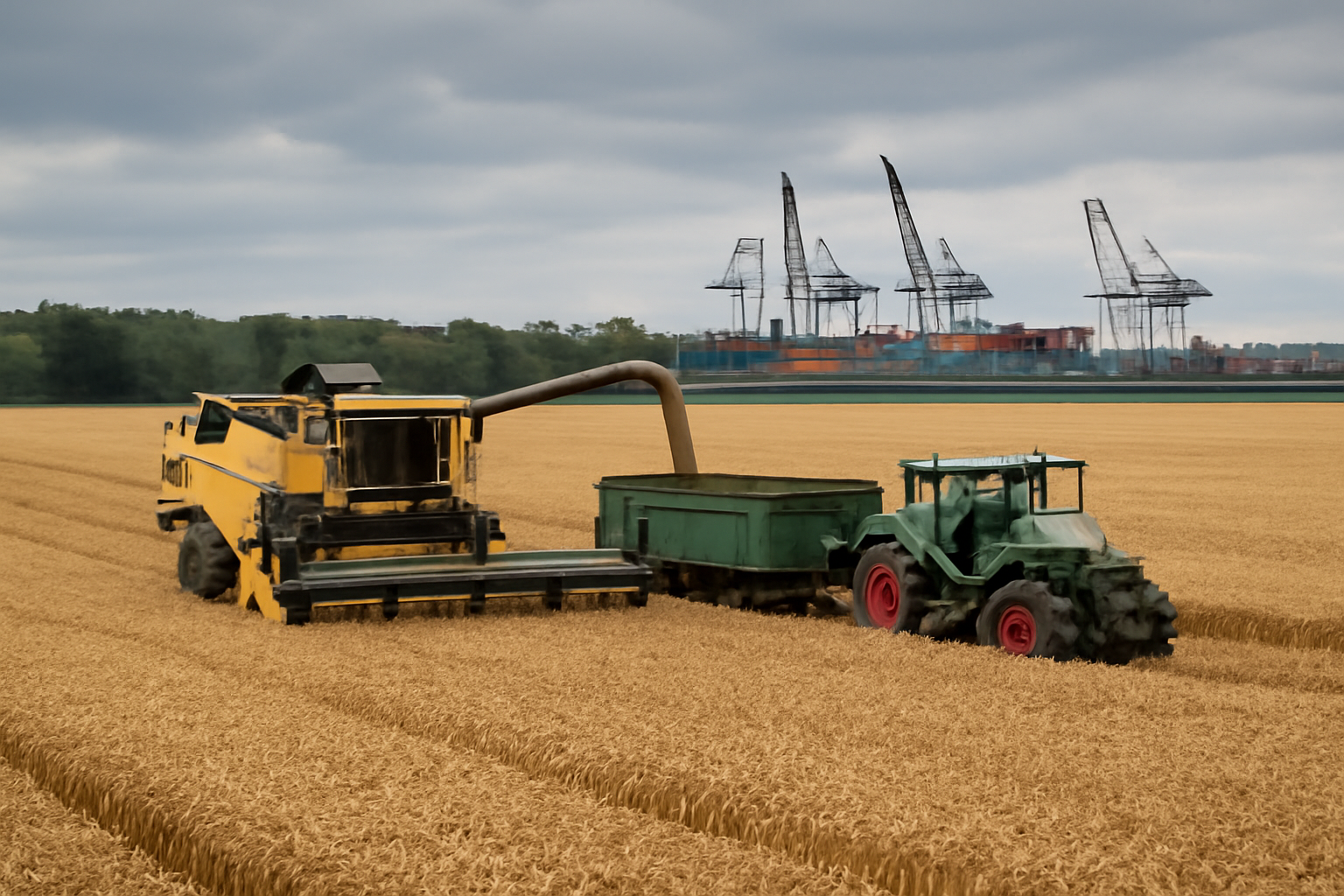
Farmers in Germany earned considerably less for their produce in May, according to official statistics. Producers received 10.4 percent less for plant products than in the same month a year earlier, a fall that squeezes farm incomes across the country's arable sector.
Plant products cover the crops that move through commodity markets: cereals, oilseeds, potatoes, sugar beet, vegetables and other field crops. Producer prices measure what growers are actually paid at the farm gate, so a double-digit decline feeds straight into revenue. Farmers carry largely fixed costs for land, machinery, fuel, seed and fertiliser, and those costs do not fall in step with the prices they receive. That gap is what turns a price drop into an income problem.
Pressure on the arable sector
A 10.4 percent year-on-year decline is steep for a single product group. It signals that the values buyers are willing to pay for German crops have retreated from the levels seen a year earlier, when many agricultural commodities traded higher. For grain and oilseed growers in particular, lower farm-gate prices mean the same tonnage of harvest generates less cash, tightening the cushion available to cover inputs and service debt.
The figure captures prices before produce moves further down the chain into milling, crushing, processing and export. Lower producer prices therefore describe conditions at the earliest and most exposed link, the farmers themselves, rather than the retail shelf, where price changes typically arrive later and in muted form. The statistics single out plant products, indicating the pressure is concentrated in crops.
What it means for trade
For importers, cheaper German crops at the producer level can improve the competitiveness of German-origin grain and oilseeds on export markets, since lower domestic prices often make outbound shipments more attractive on price. For German exporters the same trend cuts both ways: larger volumes may be needed to defend revenue when unit prices are falling.
For buyers across the European Union, softer producer prices point to a better-supplied or weaker-demand market than a year earlier. The May reading is a single month and covers plant products as a group rather than any one commodity, so it does not by itself establish a trend. But a decline of this size is a clear signal that the earnings environment for German crop farmers has deteriorated year on year, with the arable sector absorbing the difference between last year's firmer prices and this year's softer ones.