German car production and exports fall in July as electric registrations surge
German passenger-car production fell 6% year on year to 322,700 units in July, while exports declined 4% to 260,000 vehicles. Domestic registrations edged up 1%, supported by a 44% increase in registrations of battery-electric, plug-in hybrid and fuel-cell vehicles.
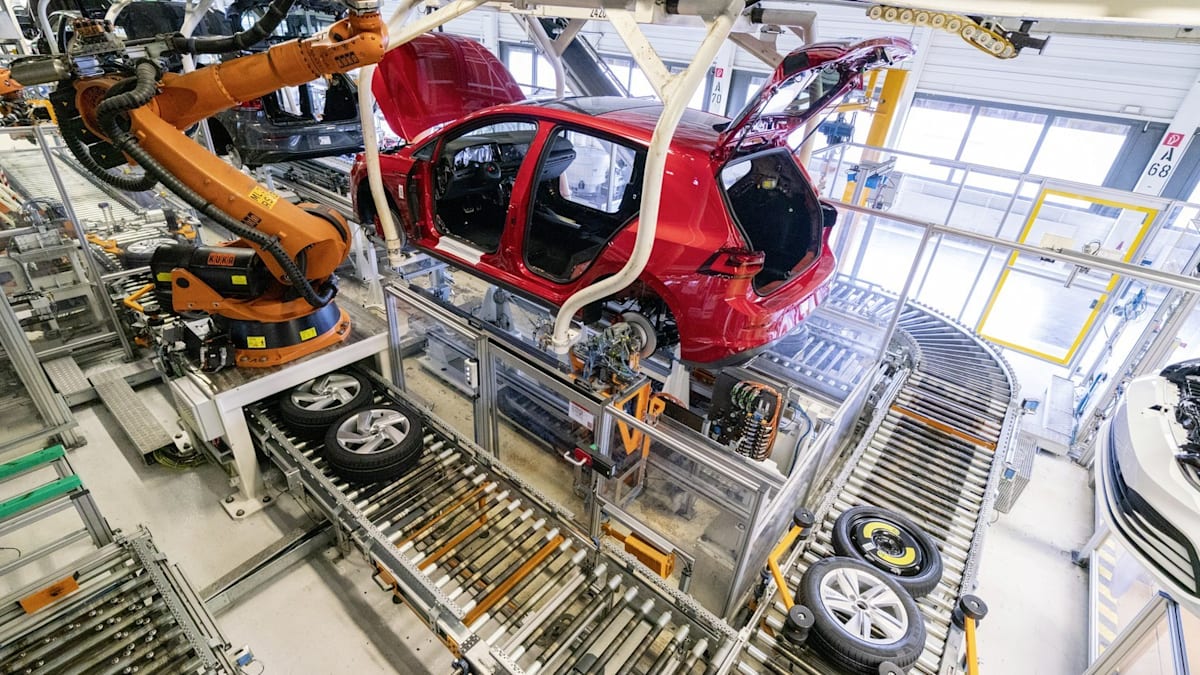
Production falls during factory conversion
Germany produced 322,700 passenger cars in July, 6% fewer than in the same month of 2025, according to figures from the German Association of the Automotive Industry, or VDA, reported by Welt. The association attributed the decline mainly to a factory being closed for several weeks while its production lines were converted to manufacture electric vehicles.
Output over the first seven months reached 2.43 million cars, down 3% from the corresponding period a year earlier. German production consequently remained 15% below its pre-crisis level in 2019. The figures show that recent gains in domestic registrations have not yet translated into a broader recovery in factory volumes.
Exports and new orders weaken
German manufacturers exported 260,000 passenger cars in July, a year-on-year decrease of 4%. Cumulative exports since January totaled 1.852 million vehicles, also 4% below the level recorded in the same period of the previous year. Exports therefore represented more than four-fifths of July production, underlining the industry's continued dependence on demand outside Germany.
New orders presented a weaker picture. Domestic orders received in July were 4% lower than a year earlier, while orders from foreign customers fell 15%. Total incoming orders declined 13% compared with July 2025. However, the domestic order backlog remained 10% above its year-earlier level, giving manufacturers some support despite the latest fall in new business. The contrast between the backlog and incoming orders suggests that current production may still benefit from contracts placed earlier, while the pipeline for subsequent months has become less certain.
Registrations grow, led by electrified vehicles
New passenger-car registrations in Germany increased 1% year on year to 268,100 units in July. Registrations during the first seven months totaled 1.75 million vehicles, 5% more than in the comparable period a year earlier. Even with that improvement, the market remained about 20% below its 2019 pre-crisis level.
Electrified vehicles delivered the strongest growth. Combined registrations of battery-electric vehicles, plug-in hybrids and fuel-cell vehicles rose 44% in July to 109,200 units, accounting for 41% of all new registrations. During the first seven months, Germany's electric passenger-car market reached 641,000 units, up 38% year on year. Battery-electric registrations increased 50% to 446,600 vehicles, while plug-in hybrid registrations rose 17% to 194,400. The results point to a widening gap within the market: total demand is recovering gradually from a low base, but electrified powertrains are expanding much faster. For producers and component suppliers, the factory conversion cited by the VDA illustrates the immediate capacity cost of adapting production, even as registrations show why that investment is necessary.