German brewers turn to alcohol-free beer as traditional sales fall
German beer sales fell 1.4% to just over 82.5 million hectolitres in 2024, extending a decade-long contraction of almost 14%. Brewers are expanding alcohol-free beer and broader beverage portfolios as costs rise and drinking habits change.
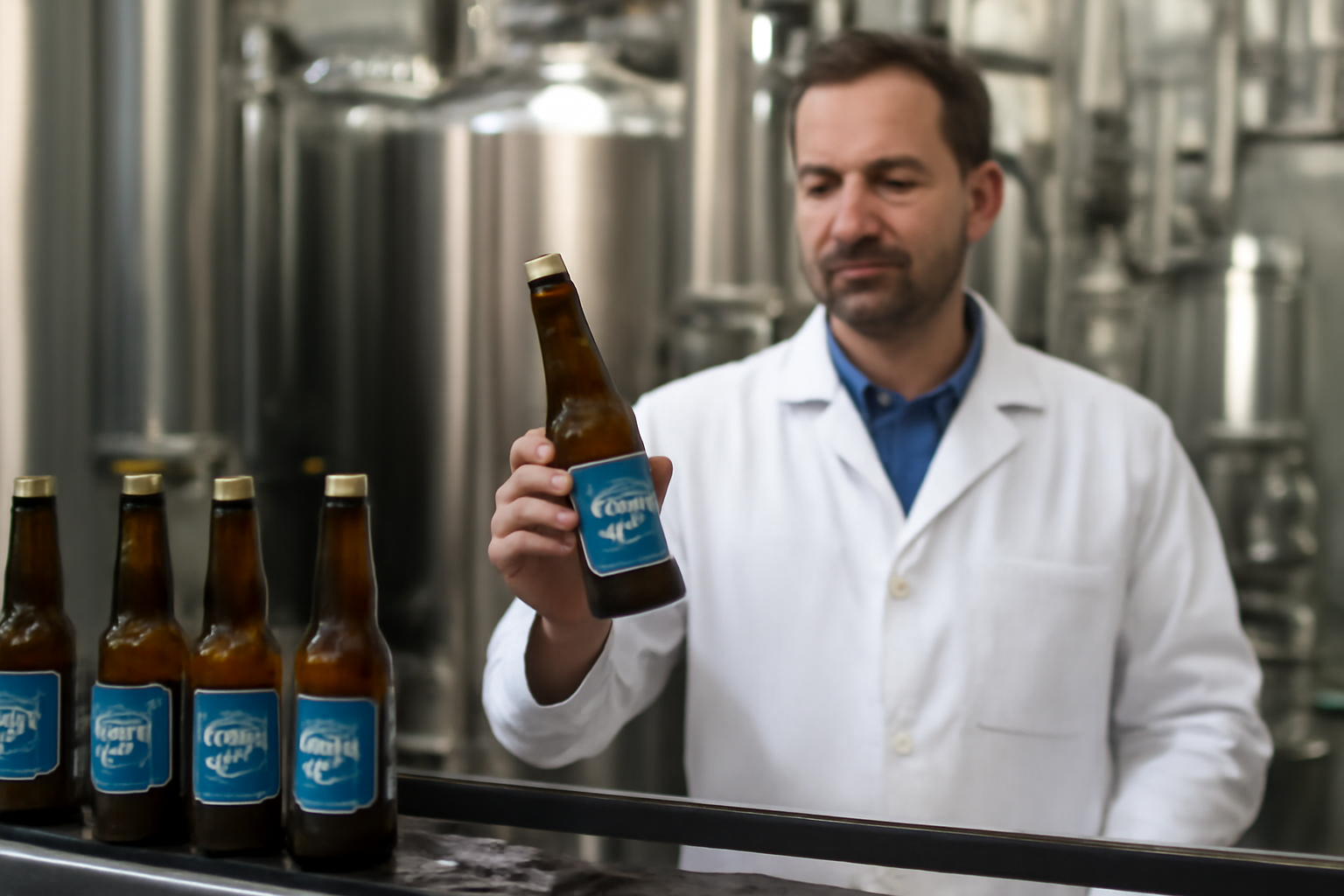
Football tournament fails to lift demand
Germany’s brewers are looking beyond traditional beer for growth after domestic sales weakened despite the country hosting the European football championship. WELT reported that total beer sales fell 1.4% in 2024 to just over 82.5 million hectolitres, according to the Federal Statistical Office. The result continued a long decline: German beer sales have contracted by almost 14%, or 1.3 billion litres, over the past ten years.
The tournament provided little of the customary seasonal boost. Germany sold only 7.8 million hectolitres of beer in June 2024, 13.5% less than in the same month a year earlier. In the 2010s, June sales during major football tournaments had ranged from 9.3 million to 10.3 million hectolitres. WELT said cold, wet weather disrupted public screenings and private gatherings, while wider consumer caution also weighed on spending.
The reversal was particularly sharp because sales through May had been 2.5% above the weak year-earlier level. The summer marked the start of a downturn that continued into December and pushed the full-year market into contraction.
Costs and demographics squeeze brewers
Christian Weber, president of the German Brewers’ Association and head of Karlsberg brewery in Homburg, linked the weakness to higher living costs and necessary product price increases. According to the association, breweries are simultaneously paying more for raw materials, energy and labour. Consumers are also ageing and increasingly choosing to drink less alcohol or none at all.
Those pressures are especially difficult for smaller regional breweries. Larger brands can support sales through advertising and wider portfolios, while small operators face the purchasing power of retailers, higher input costs and substantial investment requirements associated with energy use and climate targets. WELT reported that some small breweries had already ceased operations in 2024, with further consolidation expected.
The traditional segment nevertheless remains relevant. Veltins managing director Volker Kuhl said the brewer still saw sufficient potential in conventional beer. The market share of its core brand rose from 4% in 2012 to 6.6% in 2024, supported by a mix that includes Pils, Grevensteiner, Pülleken and Helles Lager. The latter is also intended for export.
Alcohol-free products become the growth engine
Alcohol-free beer is emerging as the clearest alternative. Nielsen estimates cited by WELT put its share of beverage retail sales at nearly 9%, making it Germany’s third-largest beer category after Pils and Helles. Retail sales of alcohol-free beer increased 13% during the first three quarters of 2024 even as the overall market declined. Alcohol-free beer is not included in the official beer-sales statistics.
Weber expects alcohol-free products soon to account for one in every ten beers sold. Brewers are responding with new launches: Augustiner introduced its first alcohol-free product after around 700 years of brewing history, while Veltins produces about 220,000 hectolitres of alcohol-free beer within total output of roughly 3.36 million hectolitres.
Breweries broaden their portfolios
Other producers are moving from a brewery model towards a wider beverage business. Krombacher’s portfolio includes Schweppes, Orangina and Dr. Pepper, while Paulaner sells Spezi at scale. Hundreds of smaller brewers also produce soft drinks, generally for regional markets.
This diversification offers an additional revenue stream, but it does not remove the sector’s investment burden. Breweries still need to fund production modernisation and energy projects while defending margins in a shrinking core market. The companies best placed to manage the downturn are likely to be those able to combine strong conventional brands with alcohol-free beer, soft drinks and sufficient scale to finance new capacity and technology.