German bicycle industry revenue falls 7% as retailers bear the brunt
Germany’s bicycle industry generated €25.2 billion in 2025, around 7% less than a year earlier, while employment fell about 3% to 74,300. Retail revenue dropped 10% as excess inventories, discounting and weaker consumer spending continued to weigh on the post-pandemic market.
Post-pandemic correction reaches employment
Germany’s bicycle industry continued to contract in 2025 as excess inventories, lower prices and weak consumer sentiment extended the adjustment that followed the pandemic-era sales boom. According to industry association Zukunft Fahrrad, sector revenue declined by around 7% to €25.2 billion, while employment fell by approximately 3% to 74,300 people.
The figures come from a study of Germany’s bicycle economy conducted by the T3 Transportation Think Tank for Zukunft Fahrrad. It covers the industry’s core manufacturing, retail and service activities. VISION mobility reported that the sector recorded a second consecutive annual decline in both revenue and direct employment, although activity remained above pre-pandemic levels.
Direct employment fell from 76,700 to 74,300. Manufacturing employment decreased by 5%, while the retail workforce contracted by 3%. Including direct, indirect and induced effects, the wider bicycle economy supports more than 198,000 jobs, according to VISION mobility.
Retailers face the sharpest decline
The downturn was unevenly distributed. Manufacturing revenue fell by 2%, but bicycle retail revenue dropped by 10%. Verbraucherschutzforum Berlin said the overall decline from €25.2 billion implies, based on rounded figures, that the comparable previous-year total was approximately €27.1 billion, leaving the industry with roughly €1.9 billion less revenue.
Demand remained stable in 2025, according to VISION mobility, but stable demand did not translate into stable earnings. Companies faced higher costs linked to geopolitical disruption, falling market prices and inventories accumulated during the coronavirus boom. Dealers responded with substantial discounts, particularly on electric bicycles, which now account for 80% of sector revenue.
That combination places pressure on margins and cash flow even where unit sales remain relatively resilient. Retailers must continue paying for staff, premises, inventory financing and logistics while selling stock at lower prices. Workshops provided some protection through growing service revenue, and the market for refurbished used bicycles expanded. By contrast, company bicycle leasing recorded a 10% revenue decline.
Insolvency and Chinese competition raise risks
The difficulties have also reached major industry participants. VISION mobility identified the insolvency of bicycle group Accell, whose brands include Haibike, Winora and Ghost, as the latest warning sign. An investor is currently being sought for the group.
Zukunft Fahrrad managing director Wasilis von Rauch also warned of stronger competitive pressure from China. He argued that US tariffs are encouraging Chinese suppliers to direct more exports toward Europe, as has happened in the automotive sector. Von Rauch called for more effective market surveillance and stronger customs enforcement, alleging that hidden subsidies, currency manipulation and offers below production cost were depressing prices. These claims represent the association’s position.
For German producers and distributors, additional low-priced supply could prolong inventory clearance and limit the recovery of margins. The pressure is particularly significant for smaller retailers, which have less capacity to absorb extended discounting or finance slow-moving stock. The industry data do not establish how many individual businesses are financially at risk.
Infrastructure shapes the demand outlook
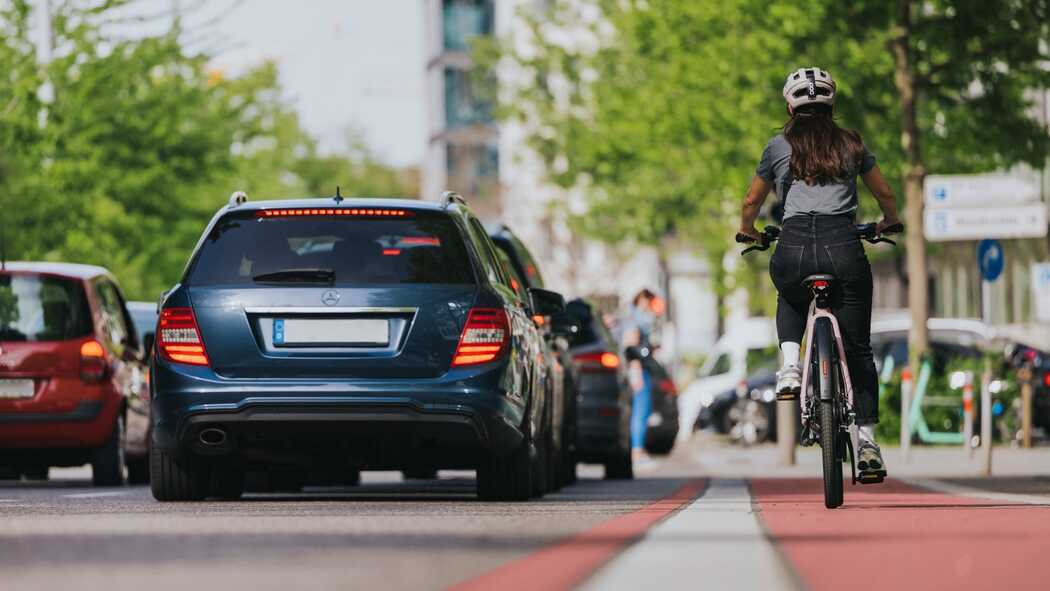
The sector’s longer-term outlook still rests on substantial demand for bicycles, electric bicycles and related services. However, Zukunft Fahrrad says inadequate safe cycling infrastructure is restricting participation, particularly among women, children, young people, older riders and people with reduced mobility. Its assessment draws on the Mobility in Germany study commissioned by the Federal Ministry of Transport.
Von Rauch urged federal, state and municipal authorities to maintain infrastructure investment despite pressure on public budgets. For manufacturers, dealers and service providers, the immediate challenge is to manage the market’s return to normal conditions after the pandemic boom. Stable demand offers a base, but the 10% retail revenue decline shows that prices, inventory levels and margins—not simply the number of bicycles sold—will determine which companies emerge from the correction in a stronger position.