Georgia Restores Peach and Nectarine Exports as Harvest Nears 18,000 Tonnes
Georgia has resolved disruptions affecting peach and nectarine exports, according to the country’s Agriculture Ministry. The 2026 harvest is expected at 17,000-18,000 tonnes, while export prices are forecast to remain at last year’s level.
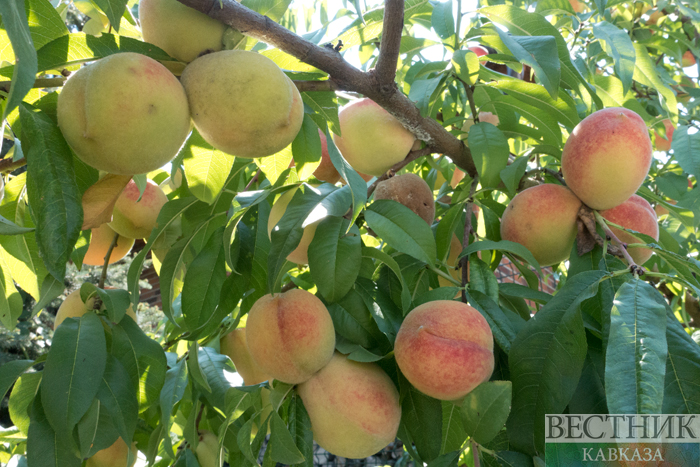
Border stocks begin moving
Georgia has fully resolved disruptions to exports of peaches and nectarines, allowing fruit held in refrigerated storage at the border to move gradually into foreign markets. The country expects to harvest 17,000-18,000 tonnes of the two fruits during the current season, the Georgian Agriculture Ministry said, with export prices projected to remain at last year’s level.
Deputy Agriculture Minister Lasha Dolidze said the stored produce was being exported progressively after the interruption. Clearing these refrigerated stocks is important for growers and traders because peaches and nectarines are perishable products whose commercial value depends on timely handling, storage and delivery. The ministry did not provide figures for the volume held at the border, the duration of the disruption or the destinations receiving the resumed shipments.
Lower shipments pressured domestic prices
The restoration follows a sharp deterioration in Georgia’s overseas peach trade. According to the country’s National Statistics Office, peach exports fell fourfold in the first half of 2026. The decline in foreign shipments had already caused a noticeable drop in domestic prices for the harvest, increasing pressure on producers reliant on export demand.
Resuming shipments may help remove some fruit from the domestic market and ease the imbalance created when overseas sales weakened. However, the available data do not show how quickly export volumes can recover or whether all fruit delayed at the border will reach buyers without losses. The ministry’s expectation that export prices will remain at the previous year’s level provides a reference point for the season, but no specific price was disclosed.
Harvest marketing remains the central test
The expected crop of 17,000-18,000 tonnes makes the timing of the restored export channel particularly relevant. Growers must market the new harvest while traders continue moving produce that had been kept in border refrigeration. If both flows enter the market simultaneously, storage capacity, product quality and the pace of sales will determine how much pressure remains on domestic grower prices.
The episode also highlights the difference between reopening an export route and rebuilding shipment volumes. Although the operational disruption has been eliminated, exports in the first half of 2026 were only one-quarter of the level implied by the previous year’s comparison. Producers and buyers will therefore watch actual dispatches rather than the formal restoration alone.
Ministry plans financing outreach
Dolidze said the Agriculture Ministry would develop measures to provide information about a new agricultural financing programme. The initiative is intended to support the search for better sales markets and improvements in product quality. The source did not specify the programme’s budget, eligibility rules, financing terms or launch date.
For Georgia’s peach and nectarine sector, the immediate priorities are to complete exports of the refrigerated fruit, handle the approaching harvest and prevent another domestic price decline. Maintaining last year’s export-price level would offer some stability, but the outcome will depend on shipment volumes and the ability of suppliers to place the expected 17,000-18,000 tonnes without further disruption.