Gasoline Prices Fall in 25 Russian Regions After Export Restrictions
Gasoline prices declined in 25 Russian regions between August 10 and 17, with the largest reductions recorded in Tuva and Khakassia. Pravda.Ru links the correction to export restrictions, mandatory exchange sales and measures to increase domestic fuel supply, but refining and logistics constraints remain.
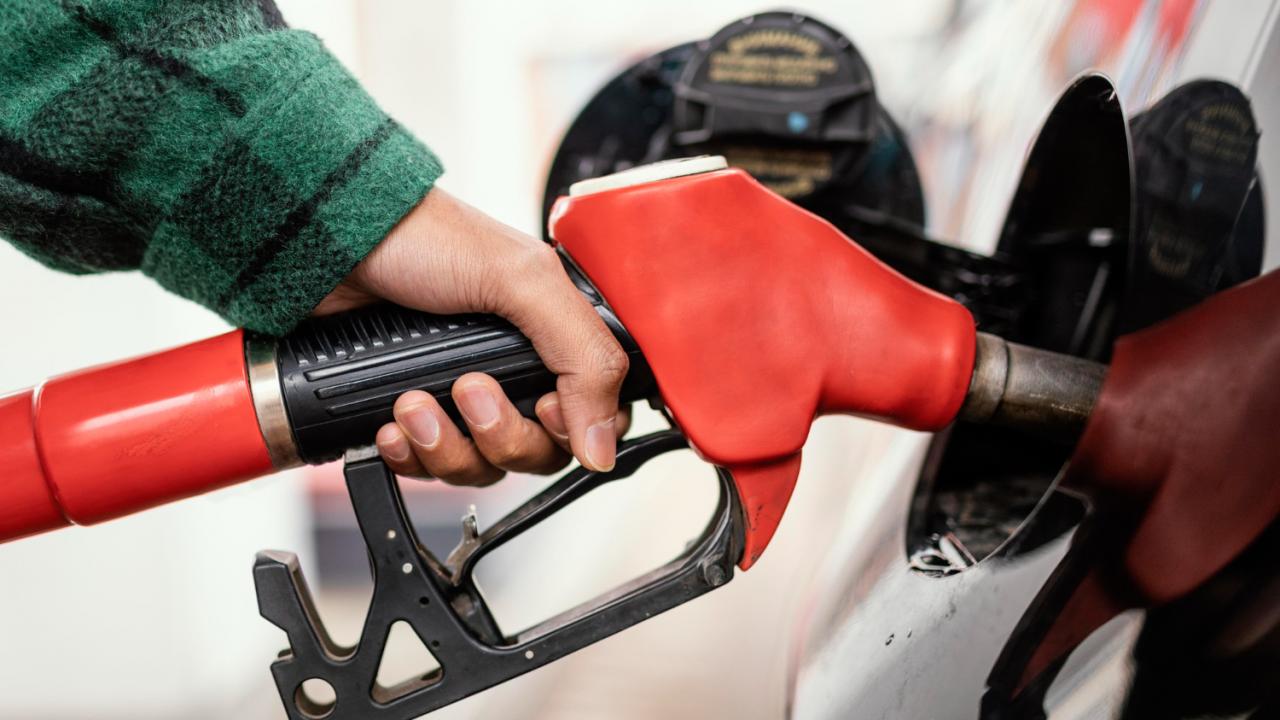
Regional prices reverse course
Gasoline prices fell in 25 Russian regions between August 10 and 17, according to Rosstat data reported by Pravda.Ru. The decline followed a period of fuel shortages, disrupted deliveries and refinery maintenance. The correction was uneven: remote markets recorded some of the sharpest movements, while prices in Russia’s two largest cities changed only marginally.
The Republic of Tuva registered the largest reduction, at 3.46%, while prices in Khakassia fell by more than 3%. Dagestan and the Kostroma and Voronezh regions recorded declines exceeding 2%. Prices dropped by more than 1% in the Tyumen and Kemerovo regions, Crimea and Altai. Moscow and St Petersburg posted decreases of less than 0.5%, reflecting stronger demand and the slower adjustment of large urban retail markets.
Export controls redirect supply
Pravda.Ru attributed the reversal primarily to a temporary fuel export ban that redirected volumes to the domestic market. Gennady Chernov, an oil-products market analyst quoted by the publication, said regional declines were a direct response to increased domestic availability. The government also used mandatory exchange trading to require oil companies to supply independent filling-station networks.
The measures followed an acute gasoline shortage in several regions. Deputy Prime Minister Alexander Novak said at the end of July that disruptions to shipment schedules and maintenance at refineries had contributed to the deficit. Pravda.Ru reported that tax incentives for fuel imports and higher domestic production also supported supply. Queues at filling stations disappeared, while limits on fuel sales per customer were removed in southern regions during the harvest campaign.
Refining and logistics risks remain
The regional declines do not establish a nationwide or lasting downward trend. Long delivery distances continue to raise retail costs in remote territories, making those markets highly sensitive to individual shipments. Russian refiners also face the need to replace imported critical equipment used in cracking units. Production costs and excise taxes remain another source of upward pressure.
Artyom Loginov, a macroeconomist cited by Pravda.Ru, warned that administrative pressure could reduce refining margins and eventually constrain investment. Financial analyst Nikita Volkov described the market as experiencing a temporary pause, arguing that another logistics disruption could return prices to growth. Russian oil products may still reach foreign markets through intermediaries, but domestic consumption currently has priority.
The next test will be whether supply remains stable after the immediate regulatory response. Export restrictions and exchange-sale requirements have improved availability for independent retailers and consumers, yet they do not resolve refinery maintenance needs or transport bottlenecks. For producers and fuel traders, the central issue is the balance between domestic supply obligations and viable refining margins. For regional buyers, particularly in distant markets, reliable deliveries may matter more than the national average price.