Gala Variety Accounts for 41.29% of Kazakhstan’s Industrial Potato Area
The German-bred Gala variety represents 41.29% of Kazakhstan’s industrial potato acreage, according to an industry audit. Producers are being urged to diversify varieties, use certified seed and develop potatoes for processing.
One variety takes 41.29% of industrial acreage
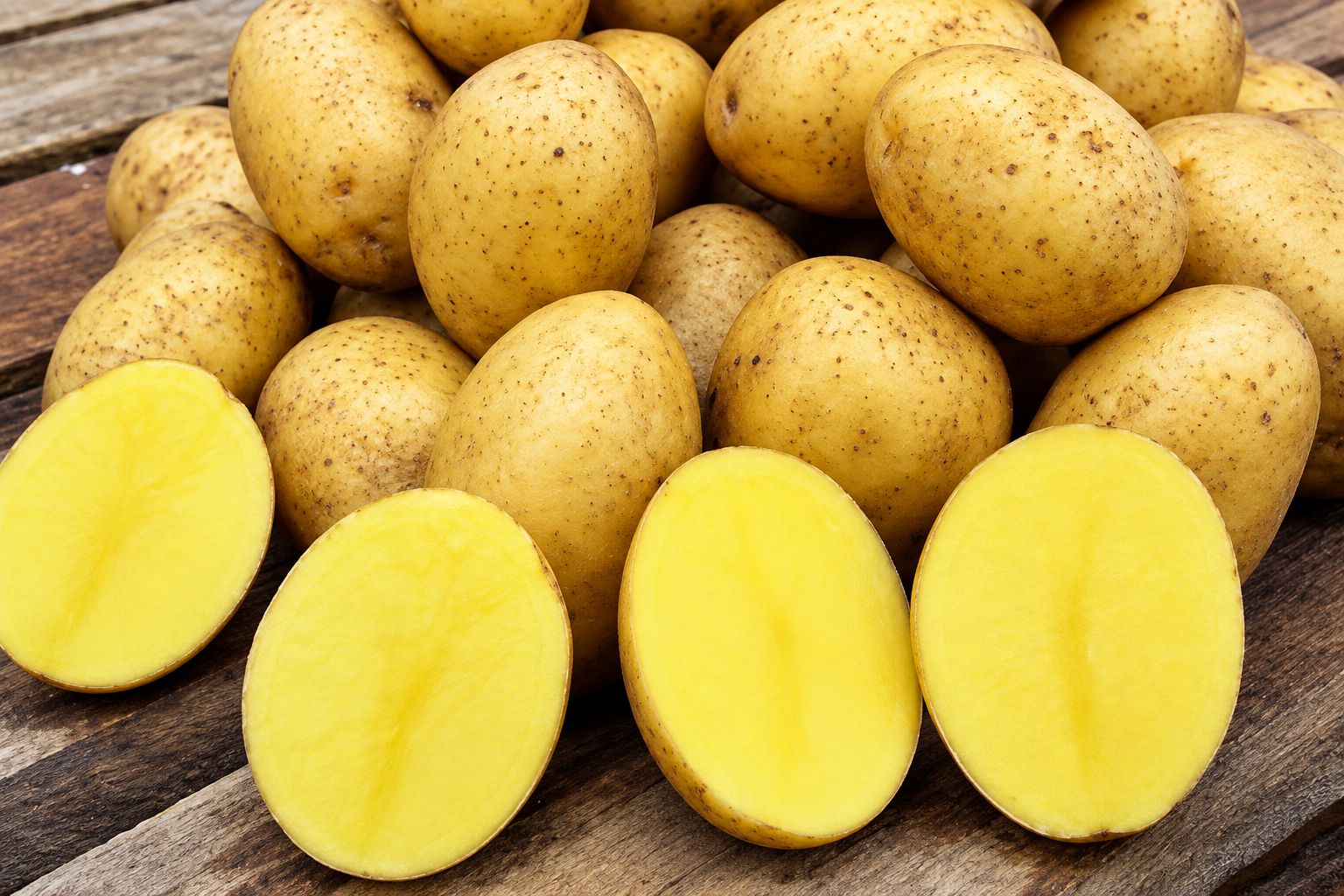
Kazakhstan’s industrial potato sector is heavily concentrated around a single variety. Gala, developed by German breeding company Norika, accounts for 41.29% of the country’s industrial potato acreage, according to an audit by the Union of Potato and Vegetable Growers of Kazakhstan reported by EastFruit and APK-News.
About 194,700 tonnes of seed potatoes were planted in Kazakhstan in 2026. More than 79,000 tonnes of that volume consisted of Gala seed. The variety has held the leading position in the market for about ten years, making it an established choice for commercial farms but also a significant source of concentration risk.
The Union said the concern is not Gala’s agronomic or commercial characteristics. The problem is the scale at which a single variety dominates production. Heavy reliance on one genetic profile can increase the industry’s exposure to technological and production risks, while limiting growers’ options for different climates, end uses and processing requirements.
UPOV accession could widen access to seed
A potential change in Kazakhstan’s seed market is the country’s proposed accession to the International Union for the Protection of New Varieties of Plants, known as UPOV. The relevant bill received its first official hearing at the National Kurultai on 23 September.
The Union expects UPOV membership to create conditions for the legal production and localization of foreign varieties in Kazakhstan. It could also strengthen intellectual-property protection for domestic breeders. For farms and seed suppliers, clearer protection of breeders’ rights may broaden access to commercial genetics, although diversification will still depend on certified seed availability and adoption by growers.
Processing varieties offer an alternative
The Union sees particular diversification potential in potatoes intended for deep processing, including french fries, chips and starch. This segment is commonly based on contracts with processors, allowing farms to plan sales before planting. Kazakhstan’s producers are already introducing specialized industrial varieties such as STET Holland’s VR-808 and Agrico’s Fontane and Arsenal. Lady Claire is also among the more widely grown chip varieties.
Domestic breeding could provide another source of diversity. Kazakh varieties Tokhtar and Tamasha rank among the ten most prevalent varieties in the national seed stock, covering 2,654 hectares and 2,164 hectares respectively. The Union highlighted their adaptation to Kazakhstan’s dry conditions, a potentially valuable trait for farms managing climate and irrigation constraints.
Unregistered varieties remain in production
The audit also identified substantial acreage planted with varieties absent from the official register. Aladin covers 3,423 hectares, Beloruska 1,260 hectares and Impala 1,178 hectares. Their continued cultivation points to a gap between farmers’ planting decisions and the formal seed-registration system.
Ahead of the next season, the Union is encouraging producers to reconsider their seed-purchasing strategies. Its priorities include reducing dependence on individual varieties, expanding the use of certified planting material and supporting both domestic and foreign breeding. For growers, processors and seed suppliers, the audit indicates that diversification will require more than replacing Gala: it will involve matching varieties to processing contracts, local growing conditions and legally available seed supplies.