Furniture Imports Near €1.5 Billion Challenge Romania’s Export-Oriented Producers
Romania imported nearly €1.5 billion of furniture last year, while domestic factories exported almost €2.5 billion. Asian competition, weak consumer confidence and declining foreign orders are putting local manufacturers under pressure.
Imports rise as domestic production heads abroad
Romania imported nearly €1.5 billion of furniture last year, even though the country remains a substantial producer and exporter. According to Observator News, Romanian furniture imports have doubled over the past decade, while imports from Asia have increased 2.5 times. The figures expose a widening divide between what local factories manufacture and what Romanian households buy.
Nine out of every 10 pieces made in Romanian factories are exported, Observator News reported. Solid-wood furniture produced in the country reaches customers in Germany, the United Kingdom and the United States. Total furniture exports were worth almost €2.5 billion last year, but that was only 14% more than 10 years earlier.
The domestic market has consequently become one of the hardest for Romanian factories. Imported products, particularly those made in Asia, compete primarily on price. A piece manufactured in Romania can cost as much as 10 times more than a comparable item imported from China, limiting the number of local buyers willing or able to choose domestic furniture.
Price competition meets weaker demand
Romanian architect and furniture producer Ștefan Crețu Voicu told Observator News that competing with Turkish and Chinese manufacturers using the same type of product makes the contest difficult from the outset. He said Romanian companies need to invest more heavily in research and innovation to offset the cost advantage created by cheaper labor.
Weak consumer confidence is adding to the pressure. Dan Șucu, president of Concordia, said the industry’s central problem is persuading customers to become more optimistic about the future. One consumer interviewed by Observator News said the current economic situation made it unlikely that many people would pay more for Romanian furniture.
Pressure is also building in export markets. Foreign orders are declining, and a significant share of manufacturers expect their sales to halve this year, according to Observator News. This creates a two-sided challenge: producers face low-priced imports at home while demand from the overseas markets that absorb most Romanian output is weakening.
Manufacturers seek differentiation and new markets
Romanian companies are responding by changing products, finishes and fabrics and introducing new designs. Mariana Păcurar, an administrator at a Romanian furniture producer, said her company was pursuing customers in Ukraine, the Czech Republic, Hungary and the United Kingdom. Such diversification may reduce dependence on established destinations, but producers still have to manage high domestic prices and a difficult business environment following a year of successive taxes.
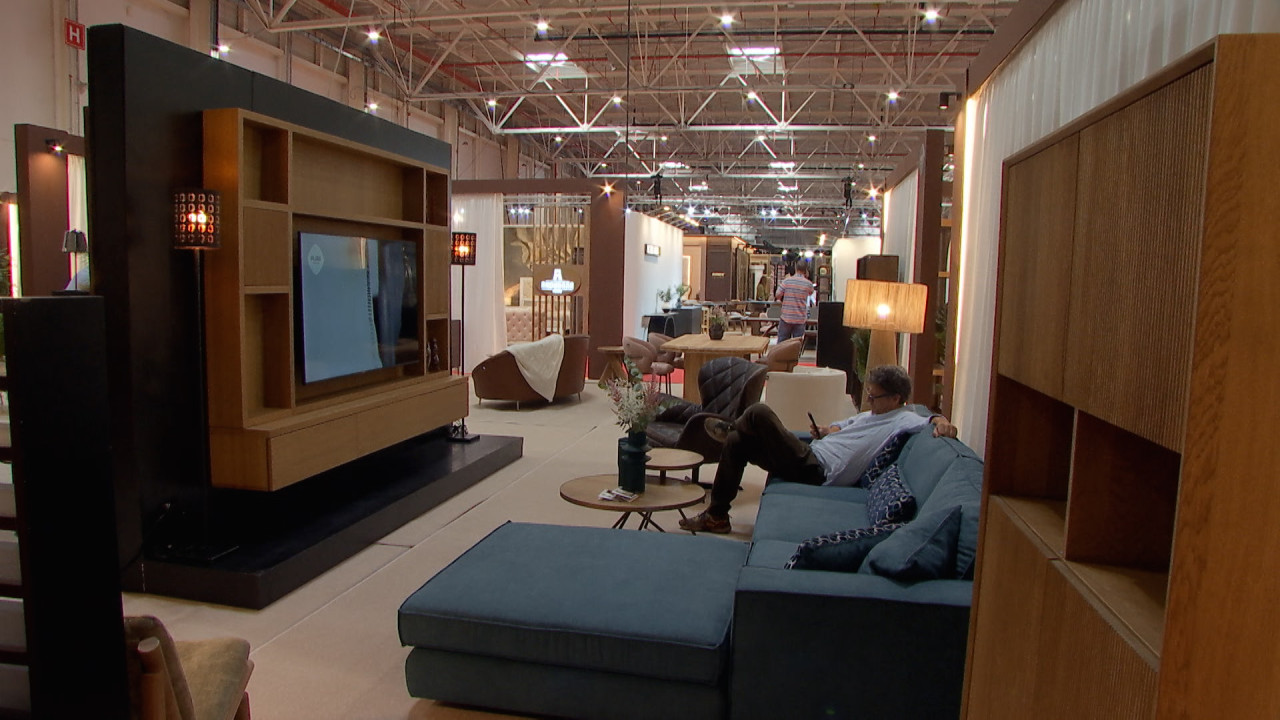
The industry is also trying to improve its visibility at home. More than 170 producers are presenting their work at Romania’s largest furniture fair at Romexpo. Dumitru Blaga, president of the Romanian Furniture Manufacturers Association, argued that local consumers should pay greater attention to national products, given their recognition abroad. For factories, however, stronger domestic sales will depend not only on promoting Romanian origin but also on offering distinctive design, quality and value that justify the price gap with Asian imports.