Fuel shortages and distribution failures deepen Cuba’s rice crisis
Cuban officials say fuel cuts and supply-chain failures are preventing domestically produced and imported rice from reaching consumers. Official production claims remain unspecified, while reported output covers only a fraction of annual demand and informal prices continue to rise.
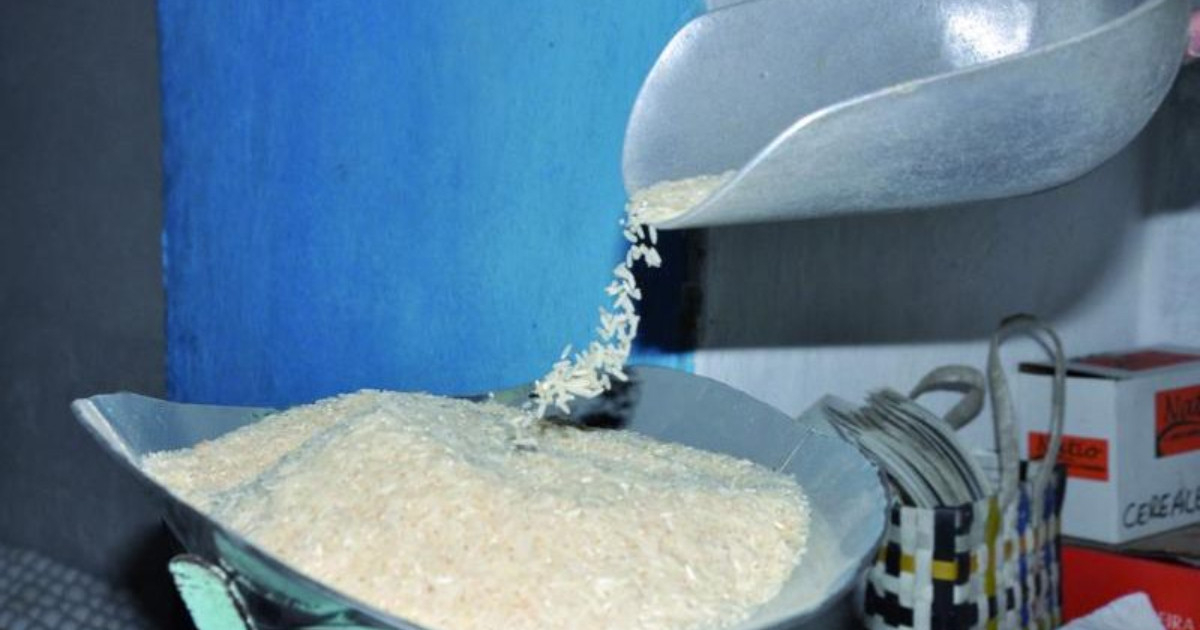
Officials point to a broken supply chain
Cuba’s shortage of rice is increasingly a distribution crisis as well as a production problem. Rosa María Rizo Constantén, vice-president of the Ministry of Domestic Trade’s wholesale food group, told the state television program Cuadrando la Caja that the country had reached “significant” domestic production levels. She did not provide an output figure and acknowledged that consumers were not seeing the result because of Cuba’s difficult conditions and supply-chain failures.
Ministry adviser Arturo Vázquez Hernández said fuel cuts had affected practically every supply chain in the country. He also cited irregularities, poor discipline, shoddy work and bad practices in both the state and private sectors. Officials presented wholesale supply markets, publicly financed procurement, the Mercado de Barrio project and foreign investment in domestic commerce as possible responses. Their comments followed discussions of 176 economic changes approved by the National Assembly in June.
Production remains far below demand
Rizo said Cuba needs 40,000 tonnes of rice each month for its nine million residents, schools and hospitals. Since 2019, the country has had to import practically all of that monthly requirement itself, at a cost of between $800 and $900 per tonne, according to her account. CiberCuba reported that annual demand is estimated at 600,000-700,000 tonnes and that Cuba produces less than 20% of the rice it consumes.
The available production estimates differ by source and period but point to a steep decline. CiberCuba put 2024 output at about 80,000 tonnes and said production for 2025 was estimated at less than 30,000 tonnes. The publication contrasted those figures with average annual production of 163,000 tonnes of milled rice before 1959. Separately, 14ymedio, citing Cuba’s National Office of Statistics and Information, reported that only 20,100 tonnes were processed in 2025, following a 73.4% decline over five years.
Rice moves behind closed doors
In Matanzas, imported rice is increasingly sold from private homes without signs, posted prices or commercial licences, according to 14ymedio. One household vendor said Chinese rice had risen from 250 Cuban pesos per pound at the beginning of the year to 320 pesos after seven months. He attributed part of the increase to inflation and the cost of hiring vehicles when regular trucks cannot obtain fuel. Another buyer told the publication that prices had reached 350 pesos per pound in some locations, while CiberCuba reported that informal-market prices elsewhere had exceeded 400 pesos this year.
That price is particularly burdensome against an average state salary of about 7,000 pesos a month. Imported grain is also gaining ground because buyers often consider it cleaner, less broken and better presented than domestic rice. China and South Korea have supplied rice donations distributed through the ration system, but CiberCuba said internal logistics have delayed some deliveries. A Vietnam-backed project in Granma, Sancti Spíritus and Pinar del Río delivered its first crop in August, with yields above seven tonnes per hectare—more than three times the national average. Such productivity offers a potential route to higher output, but fuel, transport and distribution constraints still determine whether rice reaches formal shops or reappears through informal household sellers.