French wheat shipments to Yemen set to resume with 60,000-tonne cargo
A bulk carrier is preparing to deliver about 60,000 tonnes of French wheat to Yemen, the first such shipment since September 2022. The cargo signals renewed demand for French grain as disruption in the Black Sea encourages importers to diversify supply.
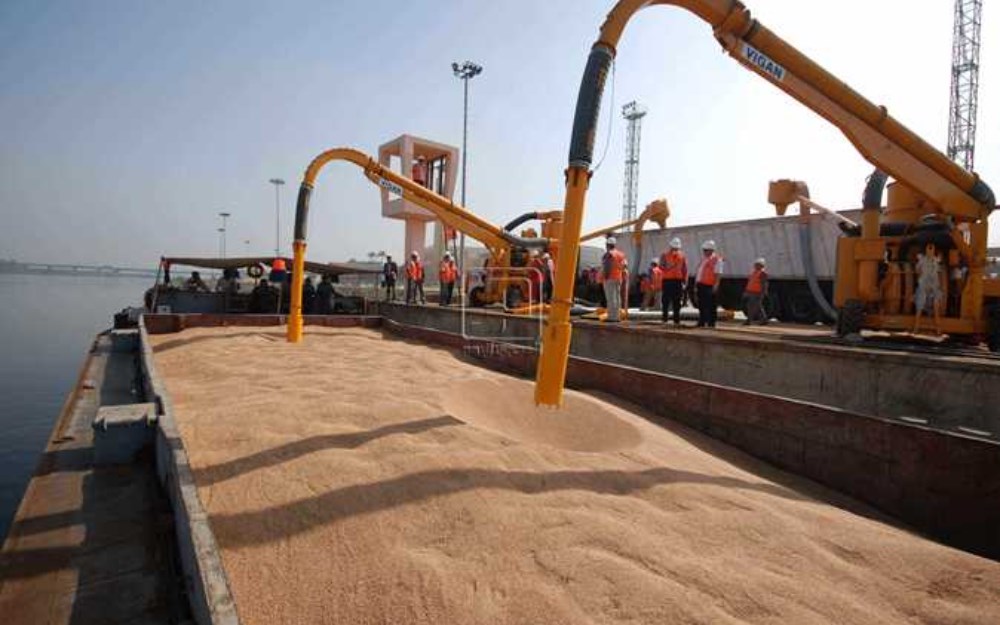
First French cargo since September 2022
A bulk carrier is preparing to load about 60,000 tonnes of French wheat for Yemen, marking the first shipment on the route since September 2022. Youlyou reported that the movement comes as importers seek alternatives to Black Sea supplies affected by escalating military activity in the region.
Shipping data from the London Stock Exchange Group show that the vessel has already loaded 40,000 tonnes at Rouen and is scheduled to take on another 20,000 tonnes at Dunkirk in northern France. The second loading operation would bring the cargo to approximately 60,000 tonnes. European Commission records identify it as the first French wheat shipment to Yemen in four years.
Black Sea disruption changes purchasing decisions
The planned delivery highlights the sensitivity of Yemen's import-dependent grain market to interruptions along major supply corridors. Russia and Ukraine are important wheat suppliers to international markets, while continued military escalation around the Black Sea is creating uncertainty over the availability and movement of competing cargoes. Buyers are consequently examining a wider range of origins to reduce their exposure to disruptions.
French exporters have also dispatched several wheat cargoes to Egypt and Sudan over the past month, according to Youlyou. Market participants cited those shipments as further evidence that some Middle Eastern and African importers are looking beyond their customary Black Sea suppliers. The Yemeni cargo does not by itself establish a sustained trade flow, but it reopens a destination that had been absent from France's recent export program.
Improved quality supports French wheat
Hot and dry conditions in France improved the milling quality of this year's wheat harvest, strengthening its appeal to buyers in the Middle East and Africa. Importers in these regions often prefer Black Sea wheat, making quality, price and freight competitiveness important for French suppliers. Better milling specifications, combined with uncertainty surrounding rival shipments, have given French grain an opportunity to capture additional demand.
France is the European Union's largest wheat producer and a leading exporter within the bloc, although its position faces increasing competition from Romania and its growing flows to global markets. For French producers and grain handlers, the Yemen booking provides another outlet alongside recent business with Egypt and Sudan. For Yemeni buyers, access to French wheat broadens the supply base at a time when dependable delivery may carry greater weight in purchasing decisions. Whether the route develops beyond this single 60,000-tonne cargo will depend on the continuity of Black Sea trade, French crop availability and the relative cost of competing origins.