French sugar producers shift output as beet yields weaken
French sugar producers plan to prioritize their most profitable products as sugar beet yields are expected to fall. Les Echos reports that the resulting gains are likely to remain limited, leaving processors to manage a tighter balance between available beet, product mix and margins.
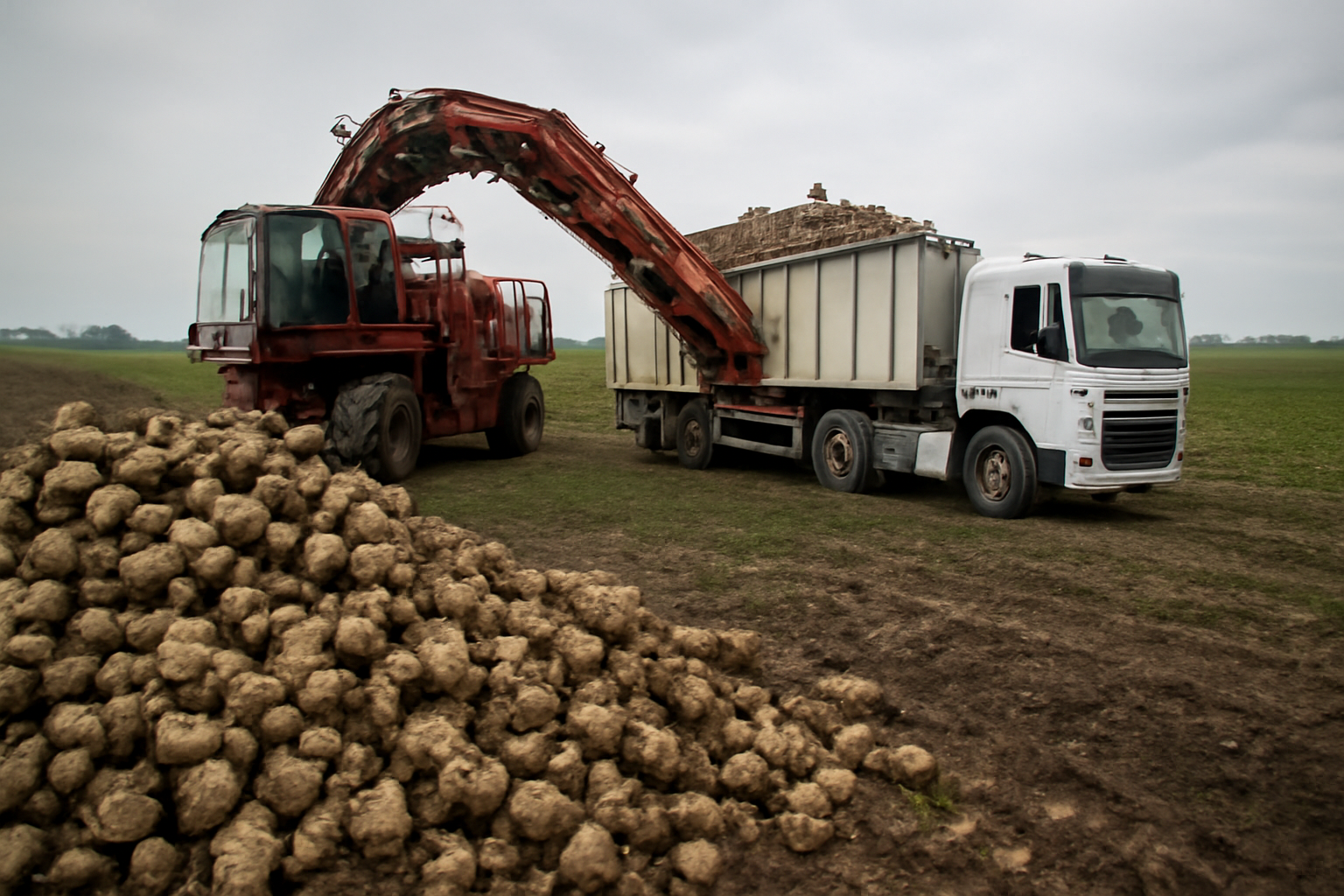
Processors prioritize higher-return products
French sugar producers are preparing to change their production mix in response to an expected decline in sugar beet yields. According to Les Echos, processors intend to maximize output in the sugar segments offering the highest returns, concentrating a more limited agricultural resource where it can generate the most revenue.
The decision is primarily an allocation response rather than an expansion of production. Lower beet yields mean factories have less raw material from which to produce sugar and other beet-derived products. Prioritizing the most remunerative categories can protect part of processors’ earnings, but it cannot fully offset a reduction in the volume of beet entering the factories.
Les Echos also cautions that the gains from this strategy are expected to be limited. That qualification is important for the market: changing the product mix may improve the value obtained from each tonne of beet, but the benefit remains constrained when the underlying crop delivers less material.
A tighter choice between volume and margin
For manufacturers, the weaker yield outlook increases the importance of production planning. Each factory must decide how to direct available beet toward products with the strongest commercial return while maintaining commitments to customers. The most profitable outlet is therefore likely to receive greater attention, while lower-return production becomes harder to justify when raw material is scarce.
This approach could change the availability of individual sugar products even if the overall direction of the market is already defined by the smaller crop. Buyers may face a supply mix shaped less by maximum factory throughput and more by processors’ efforts to defend margins. The effect will depend on how much flexibility each producer has to adjust output and on the demand attached to different product categories.
For beet growers, the expected fall in yields highlights the connection between agricultural performance and factory economics. A lower physical return per cultivated area reduces the quantity available for processing. Factories can optimize what they make from that beet, but they cannot create additional feedstock through product selection alone.
Limited upside from product optimization
The planned shift suggests that French producers are focusing on controllable factors. They cannot reverse weak field yields inside the factory, but they can choose which outputs receive priority. This can support unit margins and reduce the financial impact of lower beet availability, particularly where some sugar products command better returns than others.
However, the limited gains reported by Les Echos indicate that optimization has clear boundaries. Producers remain exposed to the size and quality of the beet crop, while customers remain exposed to possible changes in the composition of supply. The central question for the French sugar sector is therefore not whether factories can improve their product mix, but how much that improvement can compensate for weaker agricultural yields. Current indications suggest that it will provide only a partial cushion.