French pig benchmark rises to €1.76 per kg as summer supply tightens
The Marché du Porc Français benchmark climbed from below €1.50 per kg at the start of summer 2026 to €1.76 at the end of August. Lower slaughter volumes, lighter animals and buyer competition supported prices, while weak Asian demand continued to constrain exports.
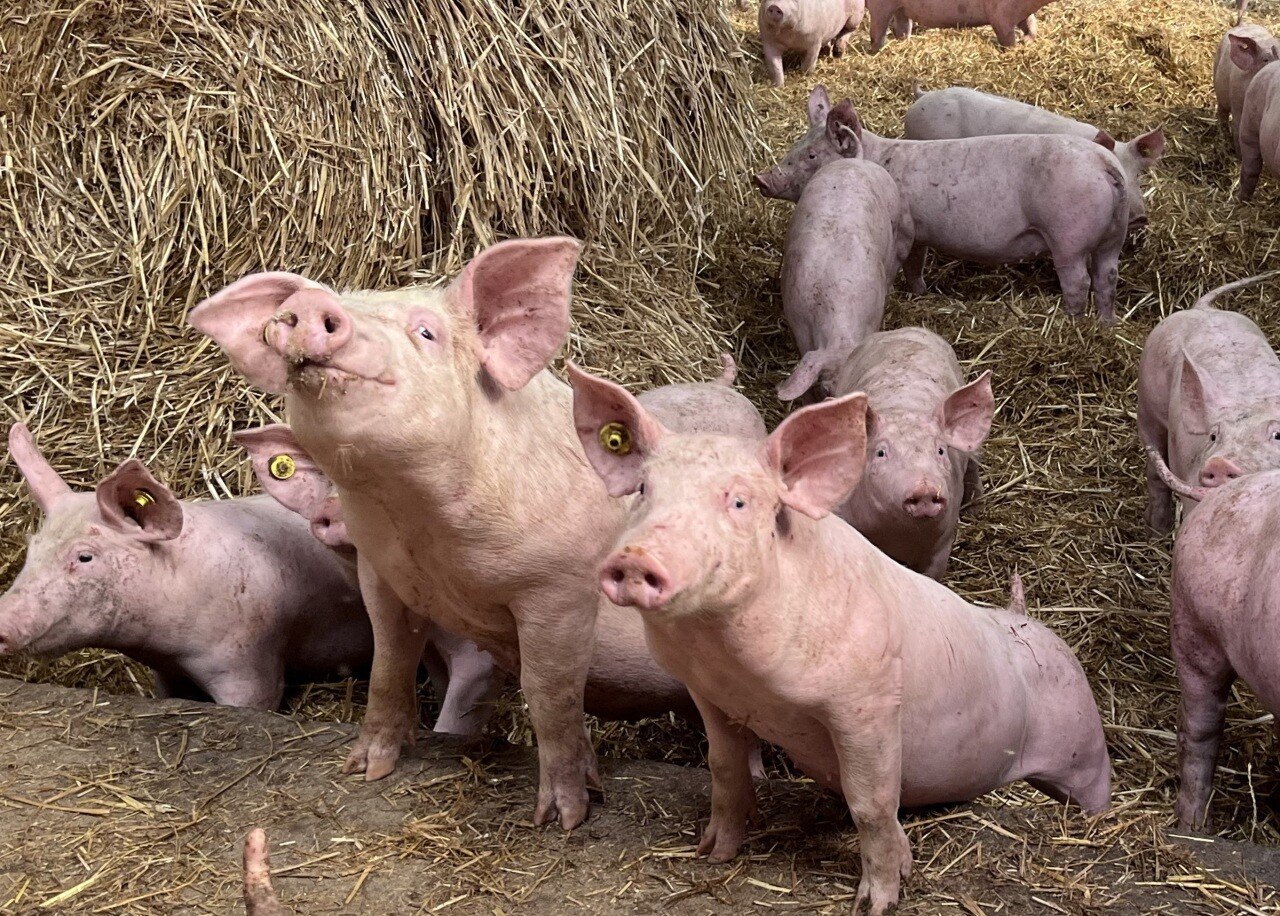
French pig benchmark recovers from prolonged low
France’s principal pig-price benchmark rose sharply during summer 2026 as livestock availability tightened and buyers increased their bids to secure animals. According to actu.fr, the Marché du Porc Français quotation reached €1.76 per kg at the end of August after remaining below €1.50 per kg at the beginning of the summer. The price had been exceptionally low for almost a year.
The recovery has been continuous since early July. The MPF attributed the movement to upward pressure from buyers, whose bids were high enough to secure purchases and therefore lifted the average price recorded during trading sessions. The change offers some relief to producers after the extended period of weak prices, but it is also linked to production losses that limit the volume farmers can sell.
Slaughter volumes and animal weights decline
Supply is below the previous year’s level in both the number and weight of pigs marketed. In France’s Uniporc area, slaughter during the comparable week was approximately 22,500 pigs lower than in the same week of 2025, according to figures cited by actu.fr. Average weights were also 1.760 kg lower, leaving substantially less pork available than during the corresponding period last year.
Hot summer weather contributed to this contraction. Farms experienced higher animal mortality, while heat reduced weight gains. Spain recorded an average carcass weight about 3 kg below the previous year’s level. Fewer animals and lighter carcasses reduce slaughterhouse throughput simultaneously, increasing competition among processors for available pigs and supporting farmgate quotations.
The price improvement therefore does not translate directly into an equivalent improvement in producer returns. Farmers receiving more per kilogram may still market fewer kilograms, while mortality represents a direct loss of livestock. The report notes that climate disruption has exposed producers to severe operational effects even as the resulting shortage raises the benchmark price.
Tighter conditions extend across Europe
Similar supply conditions are visible elsewhere in Europe. Germany cautiously maintained its reference price, while several other countries continued to raise quotations, according to the MPF. This uneven movement matters for processors and traders operating across European borders: national price differences can redirect procurement, but a broader shortage limits the ability to replace reduced French supply with pigs or pork from nearby markets.
Conditions could change as temperatures decline. Cooler weather is expected to support a gradual recovery in animal weights, which would increase the amount of pork produced from each pig. If slaughter numbers also normalise, processors could face less pressure to bid aggressively. The speed of that recovery will determine whether the summer increase persists beyond the seasonal heat.
Exports remain constrained by Asian demand
The tighter European supply has not removed pressure from the export market. Asian demand remains weak, particularly in China, while Brazil and the United States are providing strong competition. These conditions restrict the ability of French and other European suppliers to pass higher livestock costs into overseas markets.
Processors consequently face opposing forces: they must pay more to secure a smaller number of lighter pigs, yet export customers have access to competitively priced alternatives. Producers benefit from the rebound in the MPF quotation, but their total returns depend on marketed weight and mortality losses. For traders, the central questions are whether cooler temperatures restore European production and whether Asian buying strengthens enough to absorb pork at higher European prices.