French livestock federations seek assessment of drought-damaged pastures
French cattle, sheep and goat farmer federations have asked the government to commission a field assessment of pasture losses caused by drought and heat. The condition of grazing land could affect meat and dairy production, but no loss estimates have yet been provided.
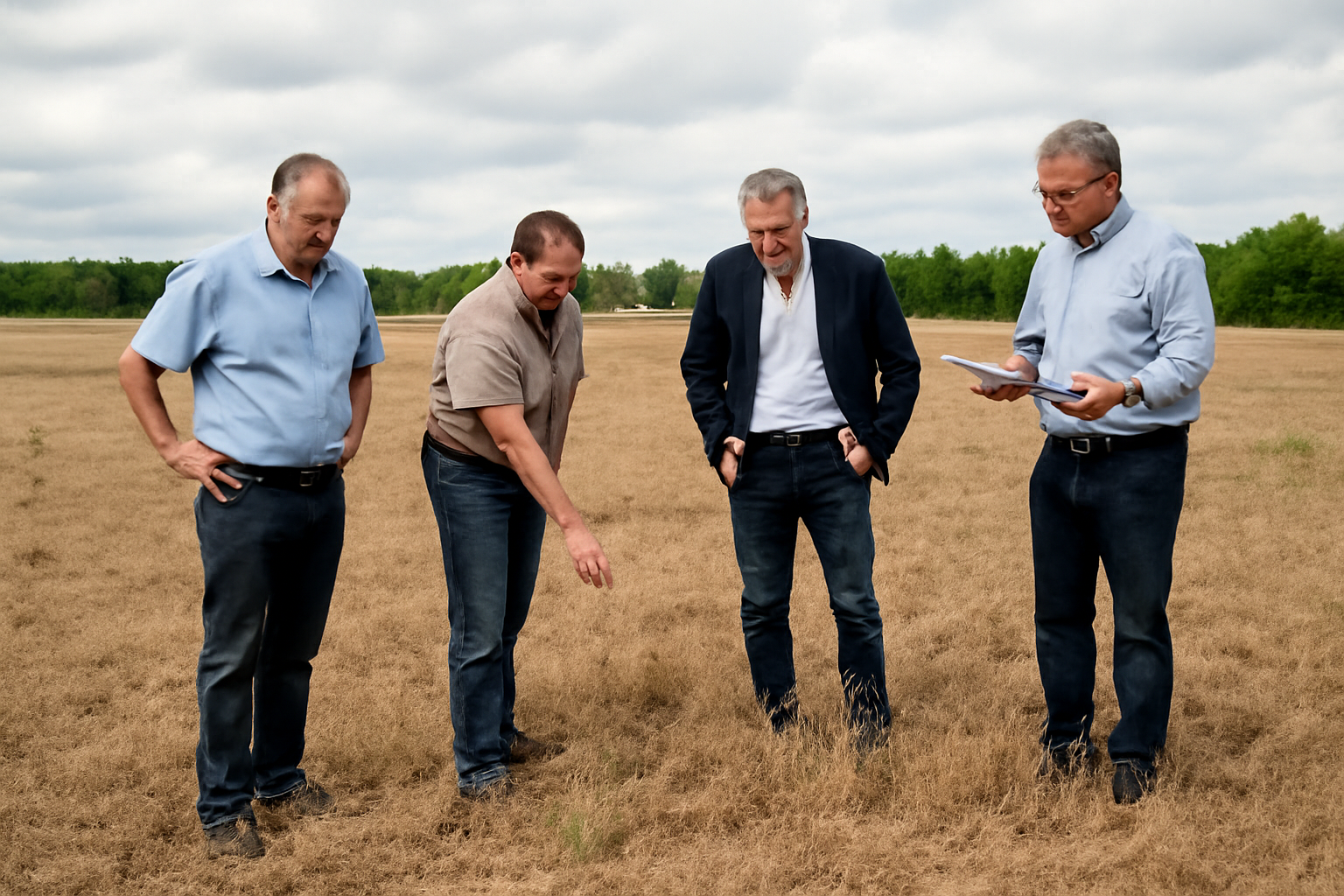
Livestock federations raise the alarm
French federations representing beef cattle, dairy cattle, sheep and goat farmers have called on the government to order an assessment of pasture losses following drought and high temperatures. Ouest-France reported that the organizations issued the appeal on Tuesday, describing affected grasslands as “scorched.”
The request brings together four branches of livestock farming that depend on grass and forage: beef, milk, sheep and goats. Their joint intervention indicates that concern is not limited to a single product or production system. It covers farmers supplying both the meat and dairy markets.
The federations are asking for an assessment conducted in the field. That distinction matters because the available source material does not quantify the area of damaged pasture, the volume of forage lost or the number of farms affected. It also provides no estimate of the financial damage.
Forage availability is the immediate issue
Pasture damage reduces the grazing resource available to herds. For livestock businesses, the practical consequences depend on the severity and geographic extent of the losses established by an assessment. Producers may have to manage their remaining grass and forage reserves more carefully if pastures cannot provide the expected feed.
The alert concerns several connected markets. Beef and sheep producers rely on herd condition and access to feed, while dairy cattle and goat farms need sufficient nutrition to maintain milk production. Any effect on French meat or dairy output will depend on how long the damaged conditions persist and how much usable forage remains.
No figures for production losses, herd reductions, feed purchases or changes in meat and milk prices were included in the material reported by Ouest-France. There is therefore not yet a factual basis for calculating the effect on national supply. The federations’ first demand is for the government to establish the scale of the pasture damage.
Assessment would define the policy response
A field review would give authorities and the livestock sector a common measure of the losses. It could identify which farming areas and livestock categories have been most exposed, although the federations’ appeal, as reported, does not specify what form of government action should follow the assessment.
For processors, traders and buyers, the key information will be whether the pasture problem remains localized or becomes significant enough to affect livestock and milk availability. For farmers, the immediate question is whether existing forage resources can bridge the loss of grazing. Until an official assessment or quantified industry data are available, the size of the impact on French meat and dairy production remains uncertain.