French drought pushes produce prices higher as retailers relax cosmetic standards
Five heatwaves in two months have damaged French fruit and vegetable crops, affecting appearance, availability and prices. Carrefour and Coopérative U are relaxing cosmetic standards to sell more drought-affected produce, while reported price increases reach 40% for lettuce and 35% for tomatoes year on year.
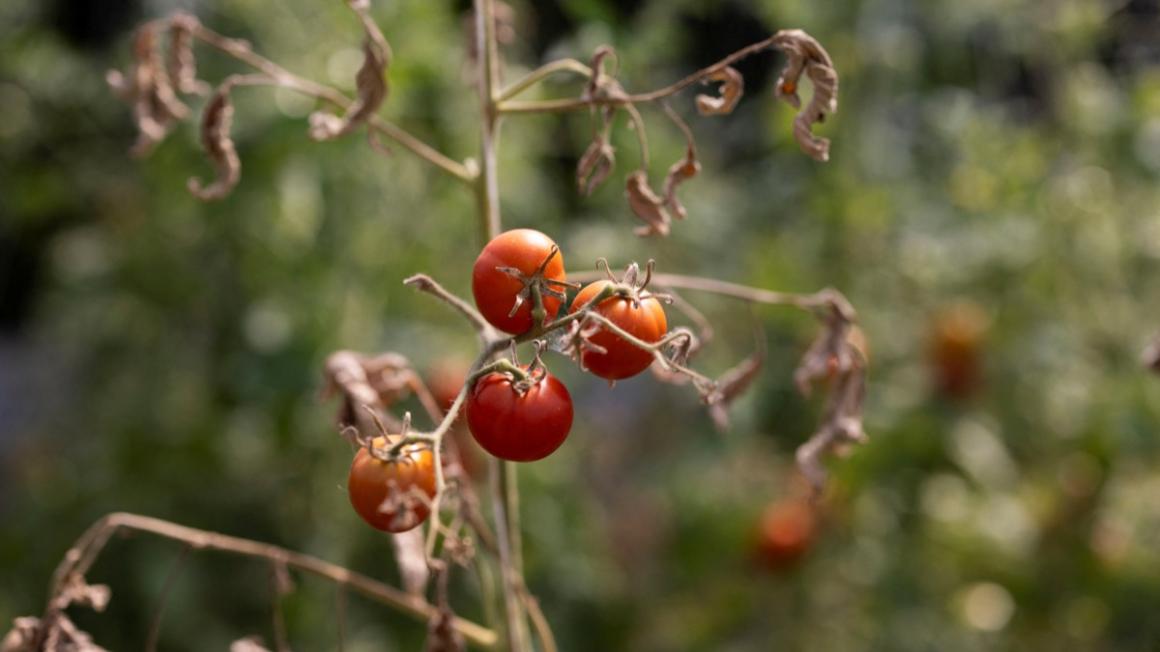
Five heatwaves damage French crops
Five heatwaves in two months have caused heavy losses for many French farmers, leaving fruit and vegetable crops damaged by extreme temperatures and insufficient water. The effects are expected to become increasingly visible in supermarkets, where shoppers may encounter produce with irregular sizes, shapes or colours alongside higher prices.
CNEWS reports that the French government is expected to announce support measures by the end of August. Before those measures are detailed, Carrefour and Coopérative U have moved to help growers sell affected crops by relaxing procurement specifications. The two retailers plan to accept more produce that fails their usual cosmetic requirements, while paying producers more and sooner.
Retailers loosen appearance requirements
French supermarkets generally sort fruit and vegetables according to visual criteria covering size, shape and colour. Although produce outside those specifications may retain the same taste and nutritional value, consumers often avoid it. Such products are therefore commonly discounted or redirected to stores specialising in imperfect produce.
Drought and hot weather have increased the volume of visually damaged fruit and vegetables. Carrots, potatoes, cauliflower, lettuce, artichokes, tomatoes and plums are among the crops described as particularly vulnerable. By putting more of these products on regular shelves, Carrefour and U stores aim to reduce waste and preserve revenue for farmers whose crops remain edible but no longer meet standard presentation rules.
Lettuce and tomato prices already rising
The adjustment to cosmetic standards will not prevent a broader increase in prices. CNEWS, citing a survey by Le Monde, says year-on-year increases have already reached as much as 40% for lettuce and 35% for tomatoes. The figures indicate that reduced marketable supply is already affecting consumers, even when damaged produce can still be sold.
For growers, looser specifications could increase the share of harvested crops that generates revenue. For retailers, the change broadens the available supply but requires customers to accept produce that looks different from conventional supermarket selections. Faster payment and better producer prices may provide immediate relief, although the source gives no details about the duration or financial scale of these arrangements.
Effects could extend into winter
The consequences may continue beyond the summer harvest. Producers say turnips cannot currently be sown, while spinach and radishes may lack the water needed during their early development. That creates a risk of reduced availability during winter, when the effects of missed planting and weak crop establishment would reach retail shelves.
If demand remains strong while supply fails to keep pace, prices could stay unusually high. The situation leaves farmers managing both lower yields and quality problems, while supermarkets must balance procurement standards, waste reduction and consumer expectations. For the French produce market, the next pressure point will be whether water conditions improve enough to support planting and early growth for crops destined for later-season sales.