French drought leaves some sugar beet fields uneconomic to harvest
Drought, extreme heat, pests and fungal disease have made parts of France’s 2026 sugar beet crop unmarketable. National production is forecast at 25.4 million tonnes, down 29% year on year and the lowest since at least 1980.
Fields abandoned as crop damage exceeds buyer limits
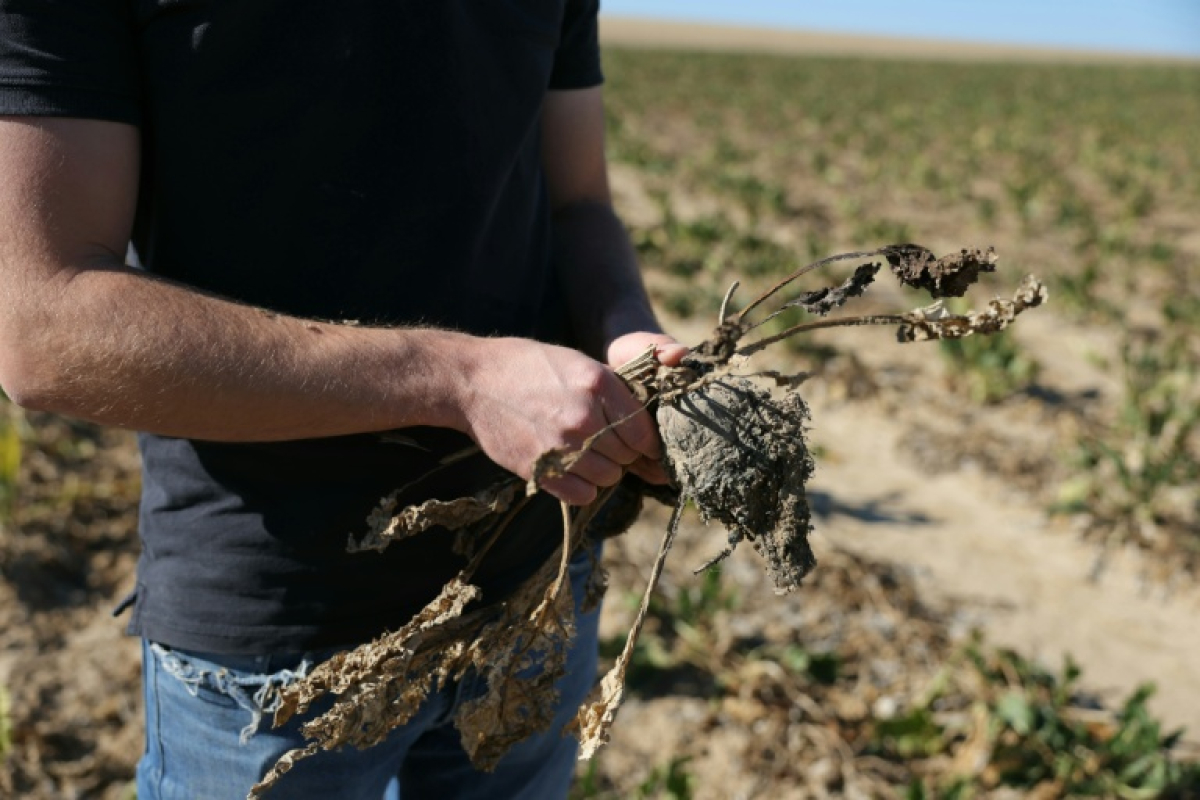
Some French sugar beet growers are preparing to leave entire fields unharvested after drought and extreme heat damaged roots so severely that the crop cannot be sold. In Maison-Rouge, in the Seine-et-Marne department, beets are rotting in the ground before drying out, according to an AFP report published by Boursorama. The affected farms lie within France’s main beet-growing belt north of the Loire.
Farmer Alexis Garnot planted 70 hectares of sugar beet in 2026. In one field, he estimates that 40% to 50% of the roots are unmarketable. Sugar cooperatives reject a field when the share of damaged beet exceeds 20%, because viable and spoiled roots cannot be separated after harvesting and piling. With no buyer for the crop, lifting the beet would cost more than leaving it in place. Garnot expects to bury the roots after an insurance assessment, plant wheat for the 2027 harvest and keep beet out of that field for five years under his crop rotation.
Drought compounds pest and disease pressure
Dry conditions and high temperatures slowed plant growth and weakened resistance to beet weevils and rhizopus, a fungal disease. Leaves became spotted and wilted, while affected roots were reduced to dried, misshapen stumps. The losses vary considerably by location, but sugar beet is among the major French crops most affected by the drought, alongside maize and potatoes.
Cyrille Milard, president of the Ile-de-France branch of the General Confederation of Beet Growers, or CGB, planted 20 hectares of beet this year. He said even the 1976 drought still allowed his family to harvest 30 tonnes. Both Milard and Garnot estimate their losses, after aid, at several tens of thousands of euros. Milard said he will draw on savings for a third consecutive year, while warning that growers at the start of their careers face an especially difficult position.
National output heads for multi-decade low
The CGB estimates total losses for the French beet sector at €1 billion. Agreste, the statistical service of the French Agriculture Ministry, forecasts a harvest of 25.4 million tonnes, the lowest level since at least 1980. That would represent a 29% year-on-year decline, driven by a 24% fall in yield and a 6% contraction in planted area.
The reduced crop will tighten feedstock availability for a processing network that has already contracted. France, Europe’s largest sugar producer, has 19 sugar factories operated by two cooperative groups and one industrial group. Six factories have closed since 2019, while beet acreage has continued to decline. Plants are generally located within 30 kilometres of supplying farms, making severe local losses particularly important. The nearby Nangis sugar factory was due to open within days of the report, but growers questioned whether enough beet would be available to keep it operating effectively.
Impact extends beyond food sugar
French sugar beet supplies several downstream markets. In addition to food sugar, processors use it to produce alcohol for spirits and pharmaceutical applications, including hand sanitiser, as well as bioethanol. A smaller harvest therefore affects not only growers and sugar factories but also buyers in fuel, beverage and healthcare supply chains.
The immediate uncertainty is how much of the planted area can be accepted by processors during the September-to-December campaign. Where damage passes cooperative thresholds, nominal production area will not translate into factory supply. That gap raises the risk of lower utilisation at nearby plants and intensifies financial pressure on farms already absorbing losses in other drought-hit crops.