French Dairy Industry Launches Joint “Lait de France” Origin Label
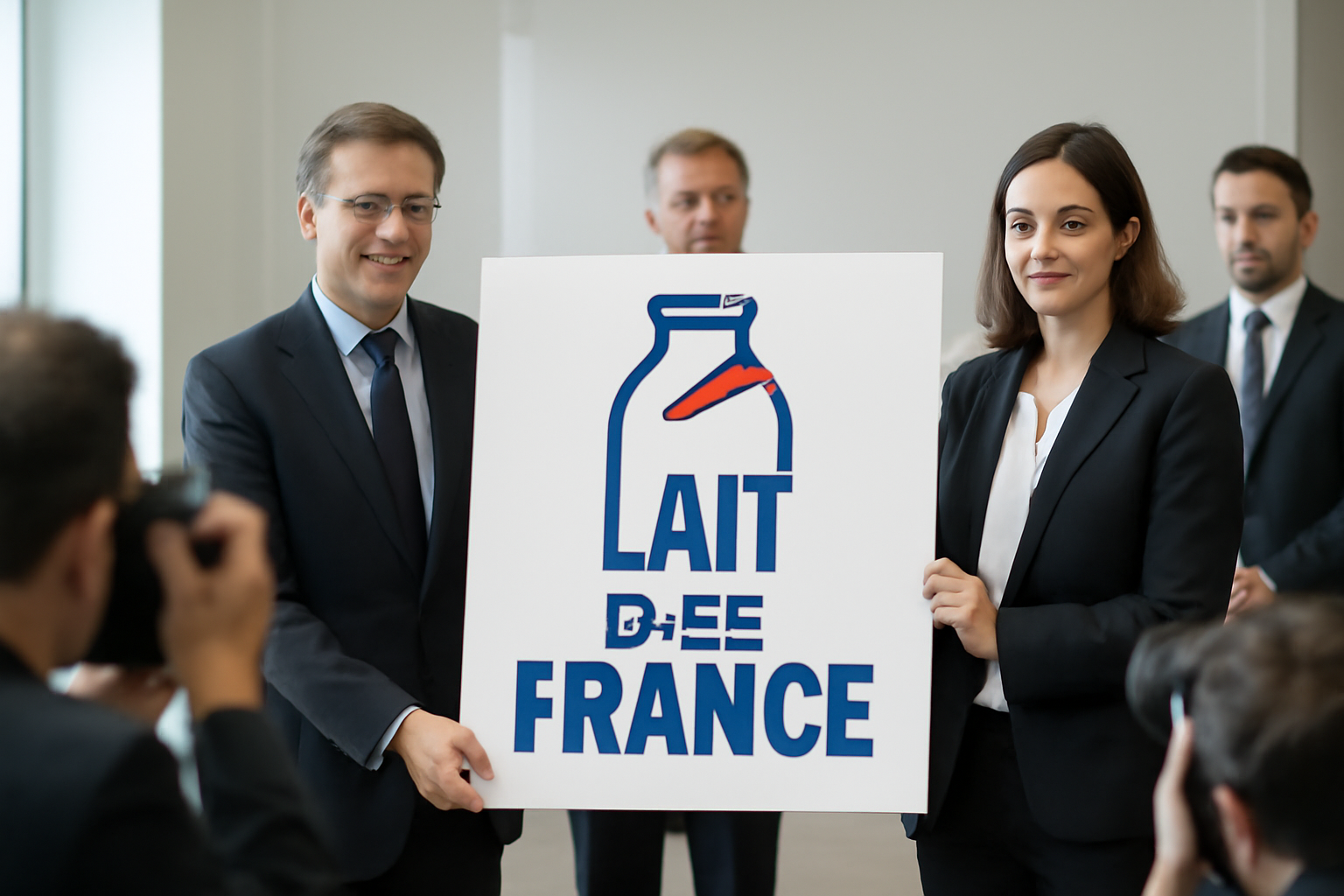
French dairy producers, cooperatives and retailers have jointly introduced the “Lait de France” logo to identify dairy products by origin. The initiative is intended to give consumers clearer sourcing information while creating a common standard across the supply chain.
A common label for the dairy supply chain
French dairy producers, cooperatives and retailers have launched a shared origin logo named “Lait de France”. The initiative brings together the FNPL, La Coopération Laitière and the FCD, representing different stages of the French dairy supply chain. According to French retail publication LSA, the organizations developed the logo to identify dairy products and make their origin more visible.
The joint approach is significant because origin information can otherwise be presented through separate corporate, retail or sector labels. A common logo gives producers, processors and distributors a single sign that consumers can recognize across different products and sales channels. Its value will depend on consistent use and on clear rules governing which products can display it.
The initiative also places responsibility across the chain rather than assigning it to farmers or processors alone. Producers supply the milk, cooperatives organize collection and processing, and retailers control an important part of the final presentation to shoppers. Their participation creates the basis for the label to appear from production through to the point of sale.
Origin becomes a commercial attribute
For dairy companies, a national-origin logo can turn sourcing into a more visible product characteristic. Milk and processed dairy products are often sold in categories where packaging, brand, price and composition shape purchasing decisions. “Lait de France” adds origin to that set of signals without requiring each participating company to design its own identification system.
The logo may also help distinguish products linked to French milk from alternatives with less prominent sourcing information. That distinction matters to farmers and cooperatives seeking recognition for domestic production, while retailers gain a standardized way to communicate origin. The announcement itself does not establish how consumers will respond or whether products carrying the logo will command different prices.
Implementation will therefore be central. Processors and retailers need traceability systems capable of supporting an origin claim, while packaging and product information must present the logo clearly. Companies using milk from different sources may face more complex decisions about product eligibility, procurement and segregation. The available announcement does not specify certification procedures, rollout dates or enforcement arrangements.
Transparency will determine credibility
The label enters a market in which shoppers increasingly encounter claims about geography, farming methods and production standards. A concise national logo can simplify one part of that information, but it must remain specific about what “France” covers. Consumers and commercial buyers need to understand whether the claim refers to milk production, processing, packaging or a combination of those stages.
For industry participants, credibility will rest on rules that can be applied uniformly by producers, cooperatives, processors and retailers. Clear eligibility criteria would reduce the risk of different interpretations between brands. Verification would also protect companies that comply with the standard from being undercut by products making broader or less precise origin claims.
The involvement of the FNPL, La Coopération Laitière and the FCD gives the project representation from production, cooperative processing and distribution. The next test is operational: how widely the logo is adopted, how its requirements are communicated and whether buyers treat it as useful sourcing information. Until those elements are disclosed, “Lait de France” is best viewed as a coordinated transparency initiative rather than evidence of a change in dairy production or trade flows.