France asks Brussels for temporary diesel and kerosene spec waivers to lift refinery output
President Emmanuel Macron has asked the European Commission to temporarily relax quality requirements for diesel and kerosene, in a letter dated 18 September 2026 seen by Reuters. French refiners estimate output could rise by five to twenty percent per plant, and Paris also wants wider use of B10 diesel in place of B7.
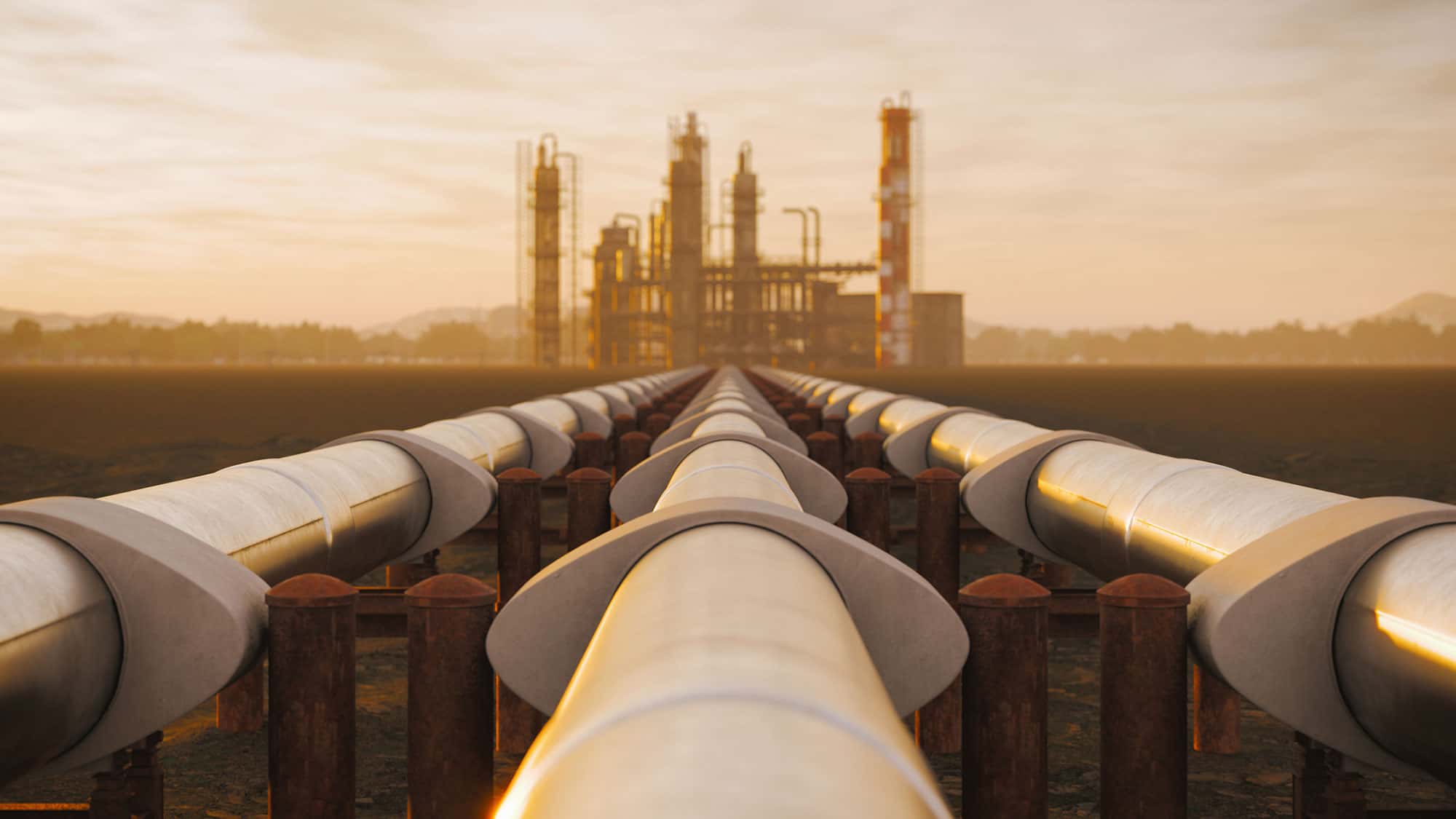
France has asked the European Commission to temporarily relax quality requirements for diesel and kerosene so that its refineries can produce more fuel. The request is contained in a letter from President Emmanuel Macron dated 18 September 2026, which was seen by the news agency Reuters and whose contents were reported by the German motoring publication auto motor und sport.
What France is asking Brussels for
Macron warns in the letter of growing difficulties in securing fuel supplies over the coming weeks. He cites tight oil and fuel markets and the possible loss of four to five percent of global refining capacity as the background to the request.
French refiners estimate that, depending on the individual plant, they could produce between five and twenty percent more fuel if the specifications were eased. Macron proposes exemptions covering three parameters: density, evaporation behaviour and desulphurisation. The current EU limit for sulphur in diesel is ten milligrams per kilogram. France has not indicated how far above that level it wants to go, so the consequences for exhaust emissions and after-treatment systems cannot yet be assessed, according to auto motor und sport. Diesel and the chemically related aviation fuel kerosene are both covered by the request.
From B7 to B10
The second element of the plan is blending. France wants to use B10 diesel more widely in place of B7. B7 may contain up to seven percent biodiesel, B10 up to ten percent. Raising the share from seven to ten percent means three additional litres of biodiesel and three fewer litres of fossil diesel in every 100 litres of fuel.
B10 is already approved in France as an additional diesel grade and is sold at filling stations, separately from standard B7. In Germany, B7 remains the usual grade. B10 may be sold there as well, but must be labelled as B10, and filling stations are under no obligation to offer it. B7 remains generally available so that drivers whose vehicles are not cleared for B10 can still refuel.
Vehicle approvals limit the switch
According to the French environment ministry, B7 can be used in all diesel vehicles, while B10 is restricted to models explicitly approved for it. That applies equally to holidaymakers and commuters arriving from Germany. The permitted grades are marked inside the fuel filler flap or listed in the owner's manual. The compatibility list published by DAT sets out the current position:
- Citroen and Peugeot: diesel models whose series were introduced after 1 January 2000; at DS, all diesel models are approved.
- Renault, Dacia and Nissan: diesel vehicles from the Euro 5 emissions standard onwards.
- BMW: three-cylinder diesels from 2014, certain four-cylinder units from 2014 and 2015 respectively, and inline six-cylinder engines from 2011.
- Mercedes-Benz: the European diesel passenger car fleet since the end of 2020 and diesel vans since the end of 2021.
Vehicles from the Volkswagen group, including VW, Audi, Seat and Skoda, are not currently approved according to DAT. Hyundai, Kia and Volvo likewise do not state a general B10 approval. An approval for XTL or HVO100 does not automatically extend to B10. Brand names are no guide to biodiesel content either: Shell Diesel FuelSave is B7, Shell V-Power Diesel denotes a premium grade rather than B10, and Aral Ultimate Diesel is classified as B7 according to Aral. The fuel label on the pump, not the product name, is decisive.
Price impact not quantified
Macron's stated aim is to ease price pressure through additional refinery output and reduced demand for fossil diesel. Whether motorists end up paying less depends on which exemptions the EU allows and how much additional fuel actually reaches the market. No per-litre price reduction can be derived from the proposals themselves.