France temporarily eases Comté, Beaufort and Abondance rules after drought
France has temporarily relaxed production rules for Comté, Beaufort and Abondance after drought reduced pasture growth and disrupted dairy-cow feeding. The exemptions preserve access to alternative fodder while maintaining the cheeses’ protected designation of origin.
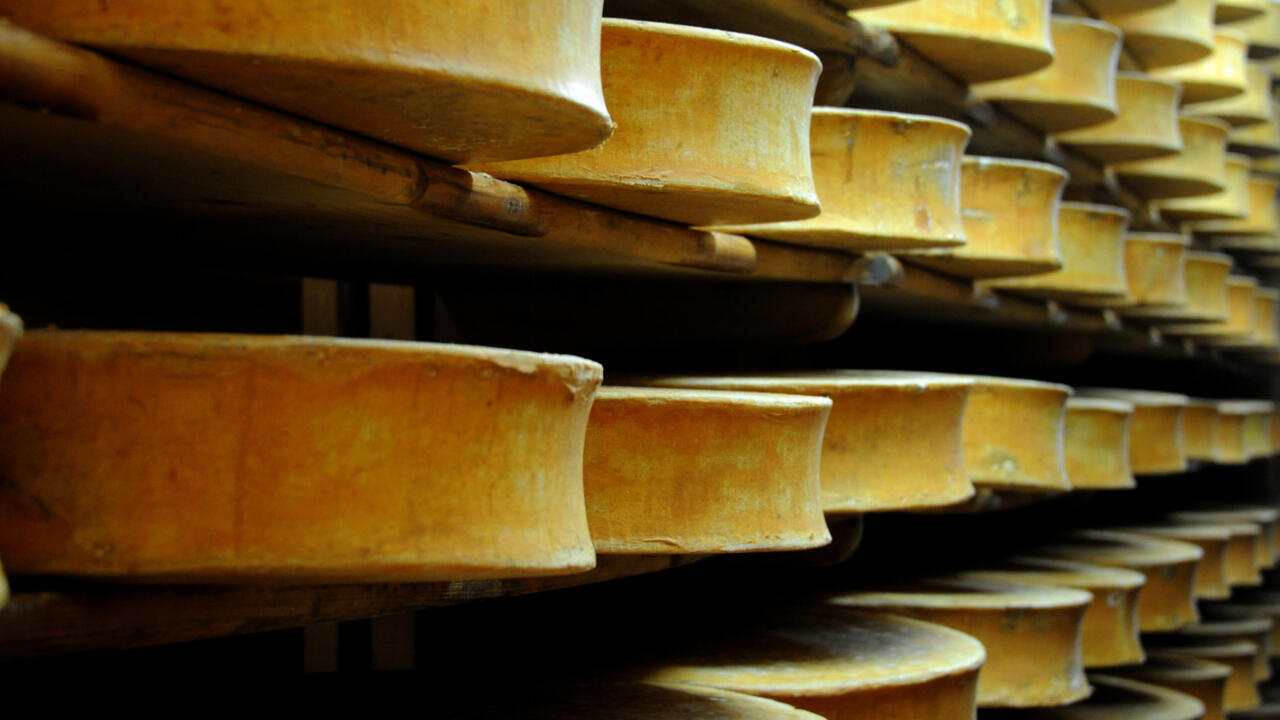
Drought forces temporary AOP exemptions
France has temporarily eased production rules for Abondance, Beaufort and Comté after drought disrupted the supply of feed for dairy cows. Three government orders published Wednesday in the Official Journal authorize exceptional changes to the specifications governing the protected cheeses, France 24 reported from an AFP dispatch.
All three cheeses carry the European Union’s protected designation of origin, or AOP, which connects production methods and raw materials to a defined territory. Under normal rules, farmers must feed their cows mainly with grass from the designated area: the Alps for Abondance and Beaufort, and the Jura mountains for Comté. The restrictions support local sourcing and help preserve the characteristics associated with each cheese.
Months of insufficient rainfall dried out pastures and made compliance more difficult. According to the Agriculture Ministry’s statistical service, cumulative growth in permanent grassland as of August 10 was one-third below the average recorded for the same date during 1989-2018. The ministry described the fodder situation in almost all regions as “very degraded” in mid-August.
Different relief for each cheese
The exemptions reflect the separate production specifications and feed requirements of the three appellations. Abondance farmers may sharply reduce the share of grazed grass in cattle diets and use more fodder sourced from outside the protected area. This gives farms in the Alps greater scope to replace pasture that is no longer producing enough feed.
For Beaufort, the required share of hay and grass originating within the production zone has been lowered. Farmers may also provide cows with more supplementary feed. For Comté, the adjustment is narrower: until the end of October, part of the green maize fed to cattle may come from outside the individual farm.
The measures do not remove the cheeses from the AOP system. They temporarily modify specific sourcing and feeding obligations when exceptional weather has made the standard rules difficult to meet. For milk producers and cheesemakers, the relief can reduce the immediate risk that feed shortages constrain milk supply or prevent otherwise eligible production from complying with appellation specifications.
Wider pressure on French agriculture
The National Institute of Origin and Quality, known as INAO, has characterized the drought as historic. It has also granted temporary modifications for several other protected cheeses, including Reblochon, Cantal, Bleu d’Auvergne and Fourme d’Ambert. Those changes still require formal orders published in the Official Journal. Similar exemptions were granted to several appellations following the 2022 drought.
The feed crisis forms part of a broader period of heat and drought damage affecting French agriculture. Tomatoes and apples have suffered, pastures have burned, and egg laying has slowed. The impact on production costs and consumer prices remains uncertain. Agriculture Minister Annie Genevard is due to meet prefects from across France by videoconference on Thursday to assess losses, before presenting an emergency plan on September 3.