French cereal fungicide market falls 1% to €312 million in 2025/26
France’s cereal fungicide market declined 1% to €312 million in the 2025/26 campaign amid moderate disease pressure, according to WikiAgri. Demand nevertheless continued for newer active ingredients, including Revysol-based products.
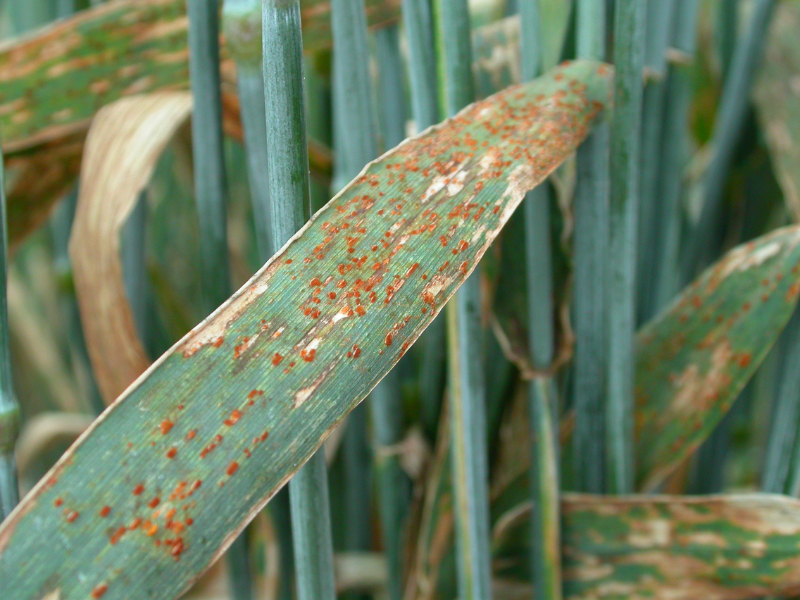
Moderate disease pressure limits the market
France’s cereal fungicide market was valued at €312 million in the 2025/26 campaign, a decline of 1% from the previous season, according to WikiAgri. The modest contraction came as cereal crops faced moderate disease pressure, limiting the need for a stronger expansion in fungicide treatments.
The figures point to a broadly stable market rather than a sharp downturn. Disease intensity is a major driver of seasonal fungicide use: when pressure remains contained, growers have less reason to add treatments or use the most intensive programmes. That directly affects volumes and revenue for manufacturers, distributors and agricultural retailers serving cereal producers.
Newer active ingredients retain demand
WikiAgri reported that solutions based on Revysol continued to attract demand despite the softer overall market. This indicates that growers did not reduce expenditure uniformly across all fungicide categories. Products offering newer active ingredients retained a place in crop-protection programmes even when aggregate market value slipped.
For suppliers, the distinction is important. A 1% decline in a €312 million market suggests limited movement at the headline level, but sales performance may differ substantially between established products and newer formulations. Companies with differentiated active ingredients can still gain business within a flat or slightly contracting market, while suppliers of less distinctive products face greater pressure from restrained treatment budgets.
Seasonal conditions shape supplier prospects
The 2025/26 result also underlines the exposure of crop-protection companies to agronomic conditions that they cannot control. Moderate disease pressure can reduce growers’ immediate treatment requirements, even when suppliers have introduced newer chemistry. Conversely, stronger disease development can quickly increase demand for preventive and curative applications.
For cereal producers, the season required a balance between protecting yield and avoiding unnecessary expenditure. For distributors, procurement and inventory decisions had to reflect a market in which total spending eased but demand for newer technology remained present. The figures supplied by WikiAgri do not show individual company shares or treatment volumes, so the effect on particular manufacturers cannot be quantified.
The central commercial signal is therefore one of selective demand. France remained a €312 million cereal fungicide market, but moderate disease pressure prevented growth during the campaign. Suppliers will need to compete for expenditure through product performance and differentiated active ingredients, rather than relying on a general increase in treatment intensity.