France’s Annual Maintenance Rules Reshape the Wood-Heating Market
French wood-burning heating and cooking appliances must be serviced at least once every 12 months by a qualified professional. The rules add recurring compliance costs while supporting demand for maintenance services, efficient stoves and higher-quality fuel.
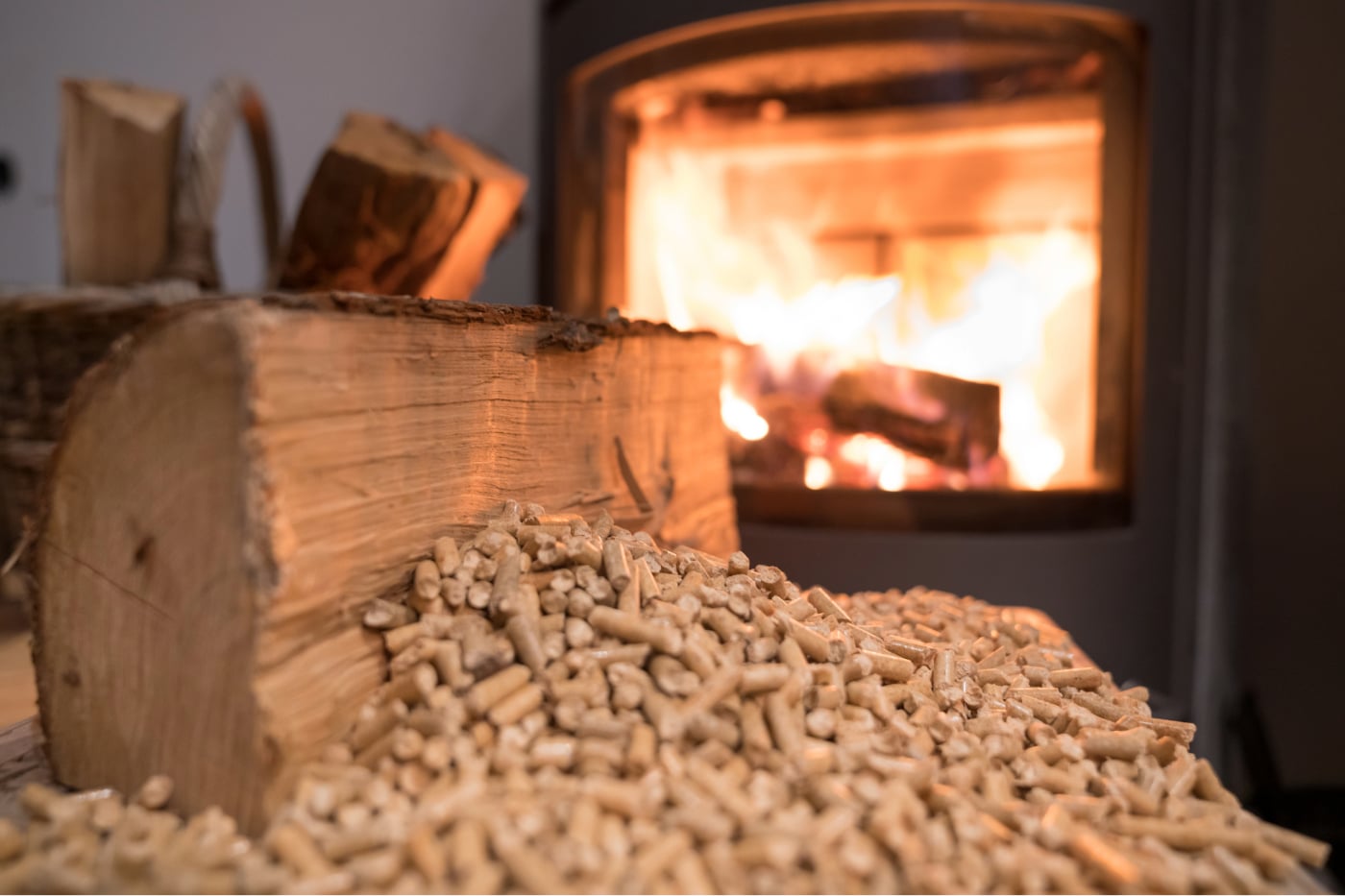
Annual professional servicing is compulsory
French households using wood-burning heating, cooking or hot-water equipment face a recurring maintenance obligation introduced in October 2023. According to Journal du Geek, a decree published in July 2023 incorporated the requirement into France’s Public Health Code. It covers combustion appliances and fireplaces, as well as the sweeping of their flues.
Maintenance must be completed at least once every 12 months by a qualified professional. The service must include cleaning, verification that the combustion appliance works correctly and, where necessary, adjustment of the equipment. It must also cover checks of ducts used to distribute heat and supply combustion air.
The professional must advise the customer on maintaining and properly operating solid-fuel equipment to reduce fine-particle emissions. A certificate must then be issued within 15 days of the service. For users, the rules turn chimney and stove maintenance into a documented annual compliance expense. For installers and service providers, they create a recurring source of demand extending beyond the original appliance sale.
Appliance sales remain below the 2022 record
The requirements apply to a sizeable but volatile market. Journal du Geek reports that France recorded more than 390,000 stove sales in 2022, with pellet stoves representing over half of the total. In 2023, overall sales fell to about 315,000 appliances, including only 74,000 pellet stoves.
Demand showed signs of recovery at the beginning of 2024. Citing the national association of wood-pellet heating professionals, the publication reported a 36% year-on-year increase in orders during the first quarter. The source links the sharp annual movements partly to volatile pellet prices and expects expanding pellet production to help stabilize prices over the coming years.
The compliance regime may affect the product mix as well as service revenue. Open fireplaces generate considerably more smoke and fine particles than enclosed appliances, while delivering a smaller share of their heat to the home. Closed fireplaces perform better, but stoves remain more efficient in both heat production and emissions, according to Journal du Geek. Pellet stoves generally offer higher efficiency and lower emissions than log-burning models because pellets contain less moisture.
Fuel quality becomes part of compliance
Fuel selection and operating practices will influence both emissions and maintenance needs. The publication recommends logs with moisture below 20%. Drier wood releases fewer fine particles, while pellets have still lower moisture and can provide cleaner combustion. Softwood pellets also have a higher calorific value.
Users are advised not to overload their stoves. Feeding smaller amounts of fuel more frequently helps maintain combustion, whereas excessive loading can suppress the fire, increase smoke and foul the flue more quickly. Air inlets should remain fully open during ignition and can then be reduced during combustion to balance heat output against log or pellet consumption.
- Owners must arrange professional maintenance at least once every 12 months.
- The service covers cleaning, operating checks, possible adjustments and inspection of heat and air ducts.
- Professionals must provide emissions-reduction advice and issue a certificate within 15 days.
- Logs should contain less than 20% moisture to limit fine-particle emissions.
For appliance manufacturers, fuel suppliers and maintenance companies, the rules place more commercial value on measurable efficiency, certified service and consistent fuel quality. They may also accelerate the shift away from open fireplaces, although the source provides no estimate of replacement volumes. Pellet prices remain a central market variable: they influence appliance orders while determining whether the efficiency advantage of pellet stoves translates into an attractive household heating cost.