Foshan, China's Furniture Capital, Fights to Survive Amid Tariffs and Property Slump
Foshan, which produces an estimated 35% of China's furniture, is enduring its worst crisis in decades. About 300 companies collapsed in 2025 as U.S. tariffs above 30% hit roughly $10 billion in exports and a property slump crushed domestic demand.
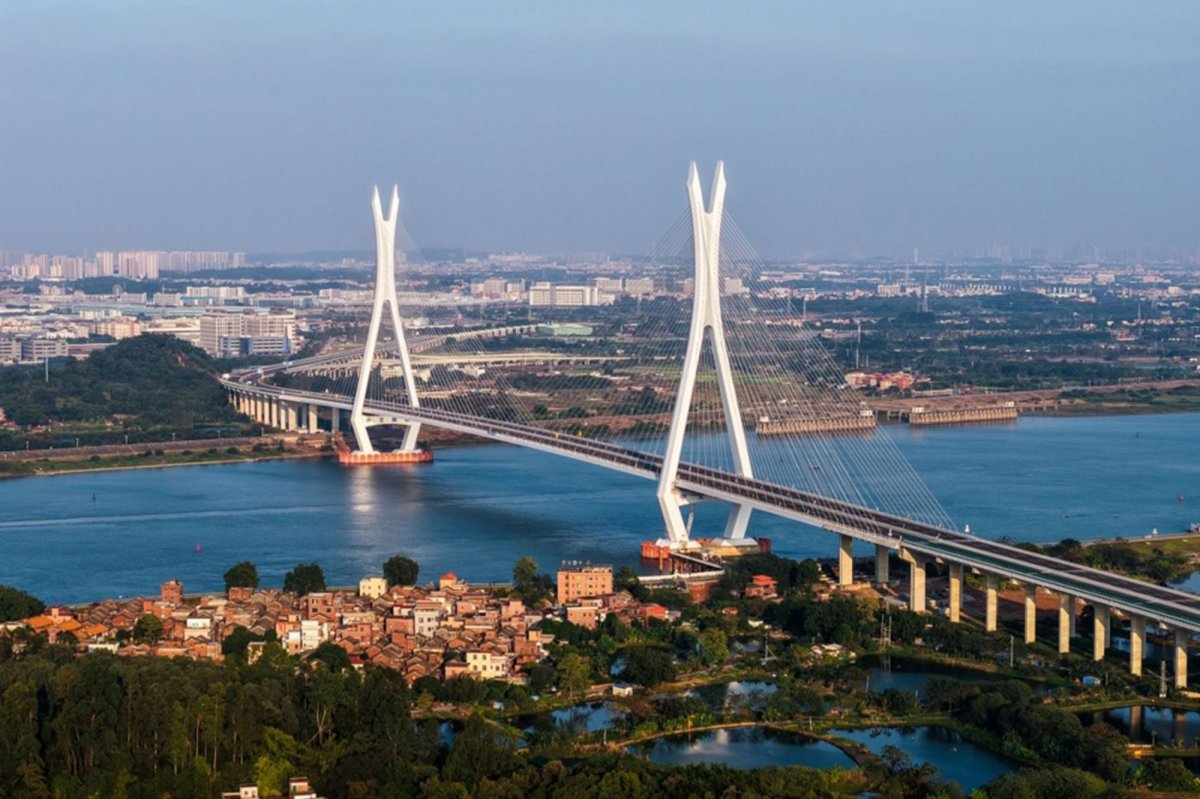
Foshan, China's furniture capital, fights to survive
Foshan, a southern Chinese city long regarded as one of the country's most important furniture manufacturing hubs, is facing mounting economic distress, with factory closures, shrinking exports and a prolonged real estate slump weighing heavily on the local economy. The account was reported by upi.com, citing Asia Today and Chinese media including Economic Daily, while The Wall Street Journal described the factory town as fighting to survive.
The scale of the industry underlines the stakes. Foshan's furniture sector accounts for an estimated 35% of China's total furniture production, according to Economic Daily. Valued at roughly 700 billion yuan ($97 billion), it represents about half of the city's gross regional domestic product and supports approximately 30,000 related companies. For global buyers, the city has functioned as a central node in furniture supply chains. That concentration means the health of a single sector shapes the fortunes of the entire city.
Factory closures accelerate
An estimated 300 furniture companies in Foshan collapsed in 2025, roughly double the number recorded the previous year, according to reports cited by upi.com. Local observers describe the situation as the industry's worst crisis in decades. The broader economy has cooled alongside it: the city's GRDP growth rate fell to 1.3% and 0.2% over the past two years, down from 6.3% in 2022 and 5% in 2023.
Tariffs hit exports
U.S. tariff barriers exceeding 30% severely damaged Foshan's furniture exports, which had previously reached about $10 billion annually. The United States has been a key destination market, and higher duties have eroded the price advantage that underpinned much of that trade. For importers, the tariff wall raises landed costs; for Foshan manufacturers, it removes a large share of external demand at a time when the domestic market is already weak.
Price wars and "neijuan"
Inside China, so-called "neijuan" — a term for destructive internal competition and price-cutting — has spread across the sector. High-end double beds that would normally sell for between 20,000 yuan ($2,770) and 30,000 yuan ($4,160) are now reportedly selling for only a few thousand yuan, sometimes below production cost. Such discounting erodes margins across the supply chain and signals oversupply relative to current demand.
Property slump and cautious consumers
China's prolonged property market downturn has further weakened demand for furniture, much of which is tied to home moves and new apartment sales. Rising labor costs and increasingly cautious consumer spending have added to the strain on manufacturers. Together, weak exports and soft domestic demand leave manufacturers squeezed from both sides. Local media reported that many residents have begun lamenting the decline of what was once considered one of Foshan's most successful industries.