Foreign funds and multinationals pursue Greek food companies in a continuing deal wave
Foreign investment funds and multinational groups are showing growing interest in Greek food companies, leading to a continuing series of transactions in the agri-food sector. The available source material does not identify individual buyers, targets, deal values or completion dates.
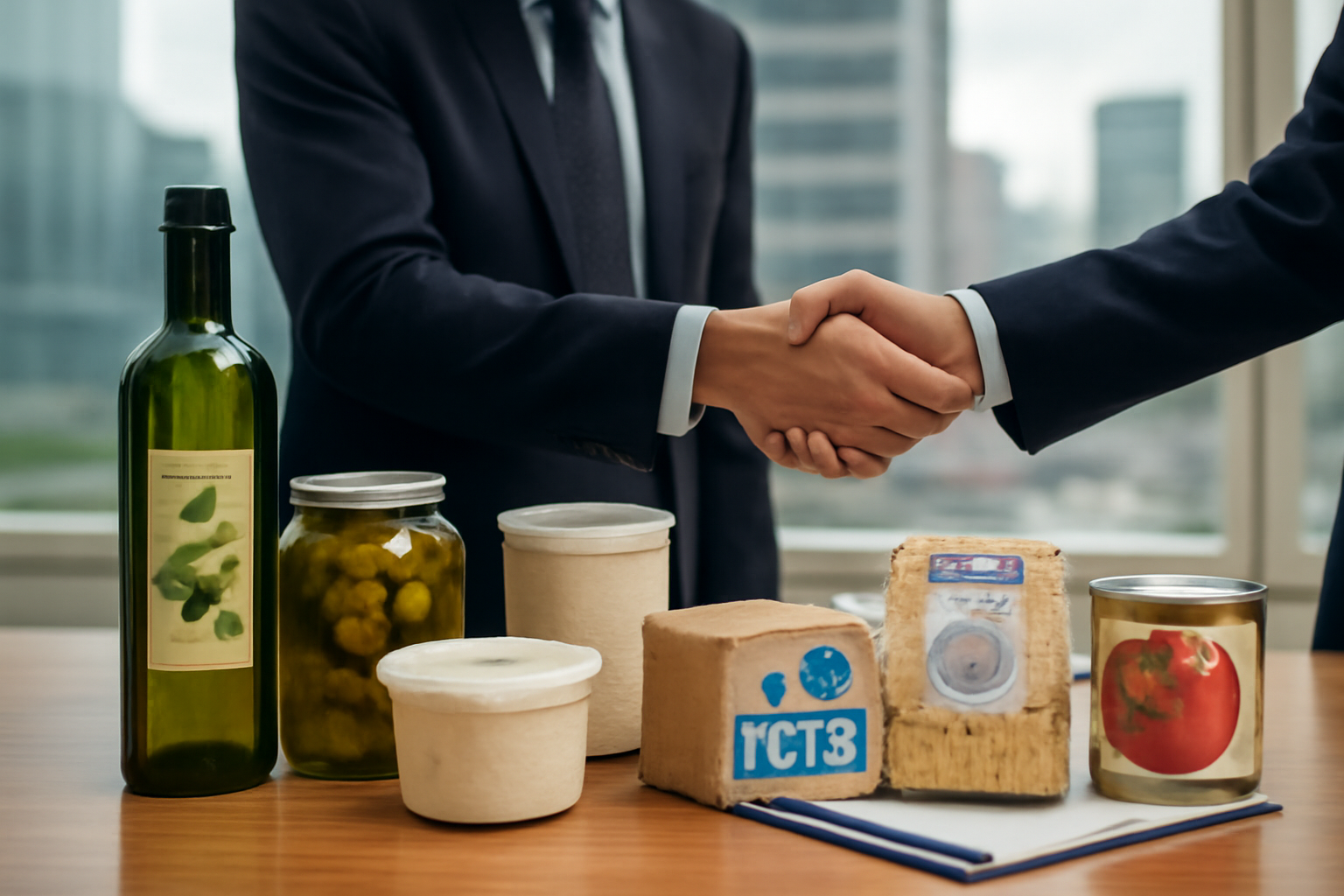
Greek food assets draw foreign buyers
Greek food companies are attracting increasing interest from foreign corporate groups and investment funds focused on the agri-food sector. The result is a continuing flow of deals that is moving parts of the country’s food industry into the hands of international investors and multinational companies.
The available source material describes a broad acquisition trend rather than a single transaction. It does not name the companies being acquired, identify the buyers or disclose purchase prices, ownership stakes, closing dates or production capacities. That limits any assessment of the financial scale of the activity, but the repeated nature of the deals points to sustained buyer interest rather than an isolated investment.
Different buyers bring different priorities
Foreign multinationals and investment funds generally approach acquisitions with different operating horizons. A multinational can use a Greek company to add products, brands, processing operations or a local market position to an existing business. A fund typically acquires an asset with the aim of increasing its value through growth, operational changes or further transactions before a future sale.
For Greek producers and processors, either model can provide access to capital and larger commercial networks. New ownership may support investment in factories, technology, quality control, procurement or distribution. However, the source material provides no details on investment commitments, employment plans or changes to individual facilities, so the operational effect of the current deal wave cannot yet be quantified.
The distinction also matters to suppliers and customers. Farmers, packaging companies, logistics providers and food-service buyers may face new procurement standards or contract structures after a change of control. Retailers and distributors may gain a counterparty with greater financial resources, while smaller domestic competitors could face stronger competition from companies backed by international capital.
What industry participants need to watch
Ownership changes do not automatically reveal what will happen to production or trade. A buyer may expand output, consolidate operations, strengthen a brand or use the acquired company as a platform for additional purchases. Without named transactions and operating data, it is not possible to determine which of these strategies is driving the reported activity in Greece.
For investors and market analysts, the next relevant disclosures will be the identities of buyers and targets, the size of the stakes acquired and any announced plans for capacity, sourcing and distribution. Deal values would show how foreign capital is pricing Greek food assets, while production and employment commitments would indicate whether buyers are pursuing expansion or primarily financial returns.
Producers and traders will also need to examine whether new owners change purchasing volumes, payment terms, product specifications or routes to market. The central development is already clear: Greek food businesses have become recurring acquisition targets for foreign funds and multinational groups. The commercial consequences will depend on what those owners do with the companies after control changes hands.