Foot-and-Mouth Outbreak Halts Namibia's $180 Million Livestock Export Trade
Namibia has suspended domestic and international trade in livestock and animal products after detecting 63 cattle with foot-and-mouth disease in the Karasburg veterinary district, an area certified free of the disease without vaccination. The suspension affects an export business worth close to $180 million in 2025, split between $65 million in live animals and $114.4 million in meat. It is the country's first outbreak reported to WOAH since 2022.
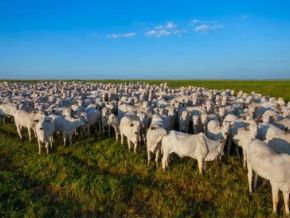
Namibia has suspended domestic and international trade in livestock and animal products after detecting its first foot-and-mouth disease outbreak in nearly four years, Ecofin Agency reported. The suspension puts a temporary brake on an export business that generated almost $180 million from live animals and meat in 2025.
The country's veterinary services notified the World Organisation for Animal Health (WOAH) of the outbreak on September 23. Namibia had not reported a foot-and-mouth disease outbreak to the organisation since 2022, and that gap in notifications had become part of the sanitary record Namibian exporters present to importing countries.
Sixty-three cattle in a vaccination-free zone
According to the immediate notification reviewed by Ecofin Agency, 63 cattle showing clinical signs of the disease were identified during routine animal health surveillance in the Kharas region, within the Karasburg veterinary district. The WOAH notification describes the outbreak as the first occurrence in the affected zone and lists the source of infection as “unknown or uncertain”.
The location carries more weight than the case count. The outbreak occurred inside an area officially recognised as free of foot-and-mouth disease without vaccination — a sanitary status that helps Namibia maintain access for its meat and livestock to certain international markets. Because the notification records a first occurrence in that zone, the affected district has no earlier history of the disease to draw on in discussions with trading partners.
Trade suspended across borders
Agriculture Minister Charles Mubita announced the immediate suspension of trade in livestock and livestock products, both domestically and internationally, speaking before Parliament on September 23. The restrictions cover imports, exports and transit of the affected categories of animals and their derived products.
The measure reaches an industry that draws a significant share of its revenue from exports. Trade Map data cited by Ecofin Agency set out the scale:
- Namibia exported 33,000 metric tons of live cattle, sheep and goats in 2025, worth nearly $65 million.
- Shipments of beef, sheep and goat meat came to nearly 13,100 metric tons, generating about $114.4 million.
- Together the two categories generated close to $180 million in 2025, with meat accounting for the larger share of value.
How much of that trade is lost depends on duration rather than on the size of the outbreak itself. The extent to which the suspension affects Namibia's livestock export performance through the end of 2026 will depend on how long the restrictions remain in place, Ecofin Agency noted. Live-animal exports are the more time-sensitive leg, since animals held back from shipment continue to consume feed and drift outside buyers' weight specifications.
A regional wave of notifications
Namibia's outbreak comes amid a broader increase in foot-and-mouth disease notifications across Southern Africa. Since the beginning of 2026, Zimbabwe, Botswana, Lesotho, South Africa, Eswatini and Mozambique have all reported outbreaks to WOAH.
South Africa is the hardest-hit country in the subregion and is considered the epicentre of the outbreak. Eight of its nine provinces now face a resurgence of foot-and-mouth disease, which has affected both commercial and communal farms since 2025. The concentration of cases across the region raises the risk that importers assess Southern African suppliers collectively rather than country by country, which would weaken the value of individual zoning arrangements.
For Namibia, the immediate challenge is to contain the outbreak before it spreads beyond the affected area and to preserve the conditions required for livestock movements and trade to resume.