Flooding threatens rice harvests and rural transport in Colombia’s Casanare and Arauca
Flooding has affected thousands of hectares of rice approaching harvest in Colombia’s Casanare and Arauca departments. Fedearroz is seeking emergency finance, debt relief and rapid repairs to roads, levees and drainage infrastructure.
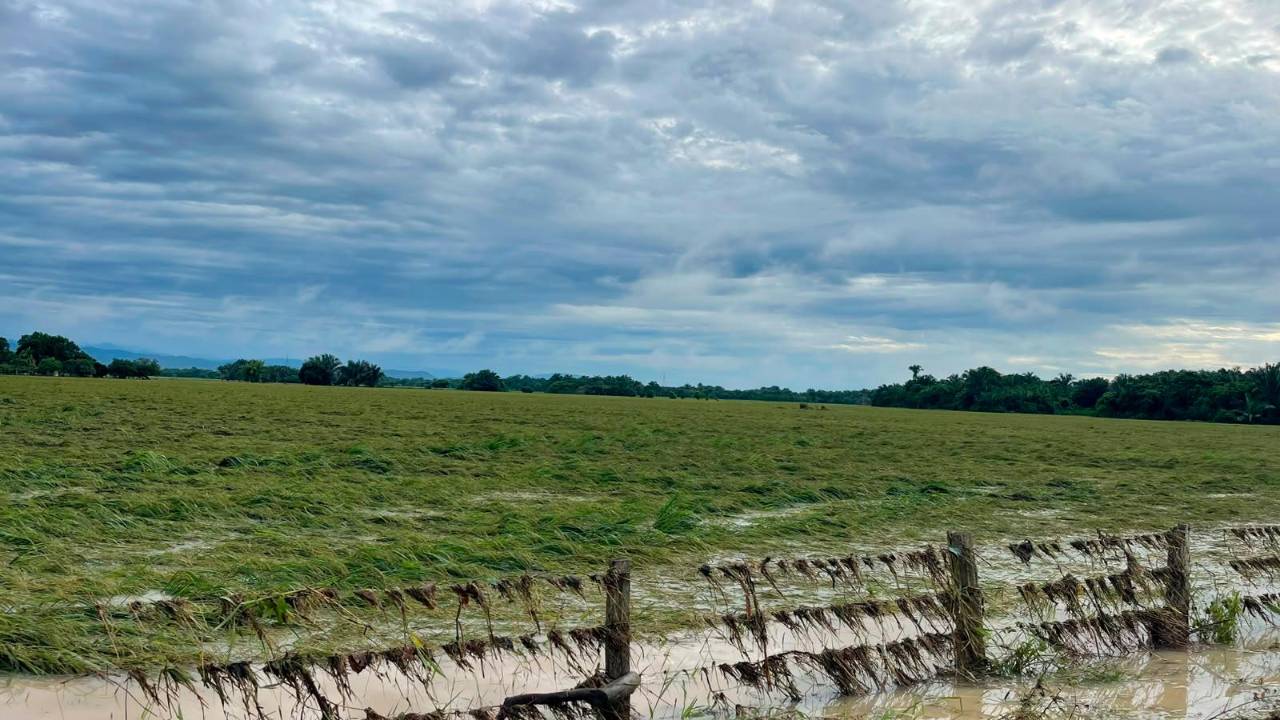
Floods strike fields before harvest
Severe rainfall and overflowing rivers have inundated thousands of hectares of rice in Casanare and Arauca, two departments in Colombia’s eastern plains. According to El Colombiano, many affected crops were in their final stage before harvest, raising the prospect of lost output and lower income for hundreds of farming families.
Fedearroz, Colombia’s national rice growers’ federation, said the Tocaría, Pauto, Cravo Sur and Casanare rivers overflowed into important production areas across the Llanos Orientales. The organization did not provide a complete estimate of damaged hectares or expected production losses, and it requested a technical census to establish the scale of the emergency.
The agricultural damage forms part of a broader weather disaster affecting both departments. Reports from the authorities cited by El Colombiano indicate that more than 13,100 families have been affected. Roads have been destroyed, bridges have collapsed and extensive rural areas have been cut off, limiting both access to farms and the movement of goods.
Transport damage compounds crop losses
Fedearroz said floodwaters destroyed levees, roads, secondary and tertiary routes and agricultural infrastructure on numerous farms. In Arauca, several communities remain inaccessible by road. The disruption could prevent surviving rice from reaching collection centers and markets, adding logistics losses to the direct damage in the fields.
Subsistence crops and livestock operations were also affected in parts of Casanare and Arauca. For rice buyers and processors, the immediate uncertainty concerns how much grain can still be harvested and transported. No source cited a national supply deficit or a specific price impact, but prolonged rainfall and slow road repairs could reduce arrivals from one of Colombia’s principal rice-producing regions.
Casanare’s role in national supply
The region’s importance is reflected in planting data. Under the Dane-Fedearroz statistical agreement, Casanare recorded 216,847 hectares planted with rice during the first half of 2025, making it one of the country’s leading production zones. The available report does not state what share of that area is currently flooded, so the effect on Colombia’s total rice balance cannot yet be quantified.
The timing increases the commercial risk because a substantial portion of the crop was ready to enter harvest. Losses at this stage include sunk spending on seed, fertilizers, labor and field operations, while damaged local roads can delay harvesting equipment and raise the cost of moving any recoverable grain.
Growers seek credit, subsidies and repairs
Fedearroz general manager Rafael Hernández Lozano called on the national government, the Ministry of Agriculture and the National Unit for Disaster Risk Management, or UNGRD, to provide immediate assistance. The federation asked national and departmental authorities to establish technical commissions and conduct a census of affected hectares and financial losses.
Its proposed measures include special emergency credit lines, debt refinancing without penalties and direct subsidies for small, medium-sized and large producers. Fedearroz also requested the immediate deployment of heavy machinery to rebuild destroyed levees, clear drainage channels and restore tertiary roads connecting farms with collection centers.
The eventual market effect will depend on the duration of the rains, the recoverable share of the crop and the speed of infrastructure restoration. Until field assessments are completed, traders, millers and importers have no verified loss figure on which to base supply decisions. A prolonged interruption would increase pressure on domestic logistics and could influence Colombia’s purchasing needs, but the current evidence does not establish whether additional imports will be required.