Fiji Research Institute Puts Sugarcane at Centre of Climate-Resilience Strategy
The Sugar Research Institute of Fiji is positioning sugarcane as a resilient crop capable of withstanding drought, flooding and poor soils. Its strategy combines better varieties, soil management and mechanisation with farm diversification, while farmers are being advised to limit new planting during current water shortages.
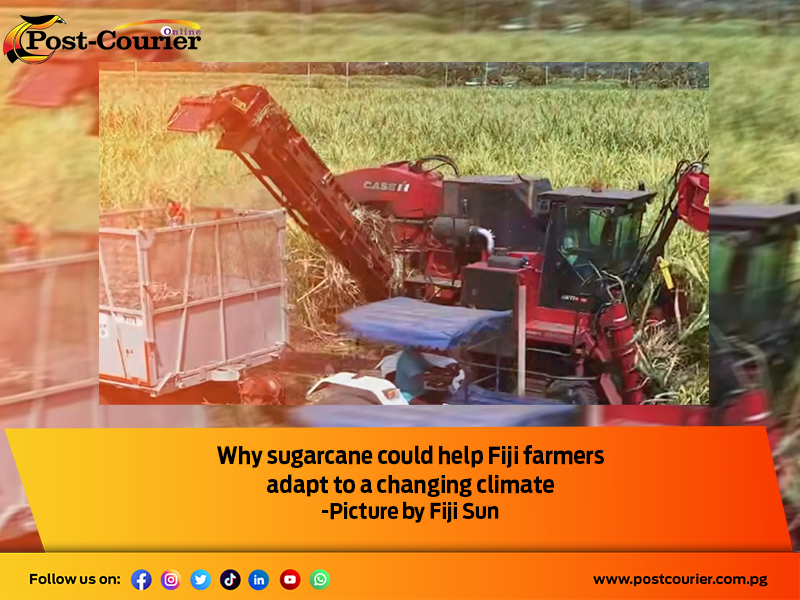
Sugarcane framed as a national resilience asset
Sugarcane could play a central role in helping Fiji’s farmers manage the growing effects of climate change, according to Dr Shalendra Prasad, the newly appointed chief executive officer of the Sugar Research Institute of Fiji (SRIF). He identified the crop’s ability to withstand drought, flooding and poor soils as a major advantage under increasingly difficult production conditions.
Prasad said this resilience supports a strategic focus on sugarcane in both research and public policy. The Post-Courier reported that he wants the industry to move beyond the negative debate surrounding sugarcane’s profitability and long-term prospects and instead treat the crop as a national asset.
His proposal calls for a single industry-wide strategic plan aligning farmers, organisations and other stakeholders behind common priorities. Those priorities include raising yields through improved soil health, more effective fertiliser recommendations and the development of new cane varieties.
Drought changes immediate planting priorities
The longer-term strategy comes as Fiji faces drought and El Niño conditions. Prasad warned that the current season could be difficult for growers and advised them to restrict new cane planting while water remains scarce.
Instead, farmers should concentrate on producing quality seed cane for future planting. The objective is to preserve the industry’s ability to expand production once weather conditions improve, without committing scarce water and farm resources to extensive new planting during the present dry period.
This approach places planting material and field readiness ahead of immediate acreage growth. For producers, the condition of seed cane will influence how quickly farms can respond when rainfall and water availability recover.
Diversification, machinery and lower costs
Prasad also encouraged growers to use part of their land for other crops and livestock while retaining sugarcane as the core activity. He suggested that 20% to 30% of farmland could potentially be allocated to alternative production, providing additional income and reducing exposure to weather and market pressures.
The diversification proposal does not replace cane cultivation. It is intended to strengthen farm income around it. Mixed farming could give producers another source of revenue when cane yields are affected by drought, flooding or weak soil conditions, while livestock and other crops may make broader use of available land.
SRIF plans to focus its research on increasing yields and reducing production costs. Prasad said progress will require continued investment in mechanisation, soil health and new sugarcane varieties, as well as collective action across the industry. Rebuilding confidence will therefore depend on whether research findings, farm practices and policy can be brought into one long-term programme.