Ferrero plans first Romanian factory as chocolate production returns to the country
Ferrero is finalising the acquisition of an existing factory in Timișoara, which will become its first production site in Romania. The investment follows years in which the group served the Romanian market through imports and distribution, while earlier chocolate capacity in Brașov moved to Bulgaria.
Ferrero moves from distribution to production
Italian confectionery group Ferrero has officially confirmed plans to open its first production facility in Romania. According to BizBrașov, the company is in the final stage of acquiring an existing factory in Timișoara, extending its manufacturing footprint in Central and Southeastern Europe.
The group, whose global revenue is approaching €20 billion, has previously operated in Romania only through importing and distributing products. Those local activities generate revenue of almost 2 billion lei. The acquisition would therefore mark a shift from serving Romanian consumers entirely through imported supply to establishing an industrial presence inside the country.
Ferrero said the investment is intended to create a modern industrial facility that benefits from the region’s manufacturing tradition, strategic position and available skilled workforce. The transaction value, identity of the seller, planned workforce and production portfolio have not been disclosed. The company’s regional management has said it wants to develop a durable, long-term partnership with Romania’s national and local authorities.
Investment could affect Romania’s confectionery deficit
Local production may help reduce Romania’s trade deficit in confectionery and snack products, although the eventual effect will depend on the factory’s capacity, product mix and sourcing arrangements. BizBrașov estimates that the category produces an annual Romanian trade deficit of about €1 billion. A domestic Ferrero plant could replace part of the finished-product imports currently required for the local market and might eventually supply other markets, but the company has not announced output volumes or export plans.
The project would make Romania the second country in the region, alongside Poland, where Ferrero has chosen to invest in production capacity. Timișoara offers access to western Romania and transport routes connecting the country with other European Union markets. However, without information on capacity or the brands to be manufactured, it is not yet possible to assess the plant’s position within Ferrero’s wider European network.
Romania’s chocolate capacity shifted abroad
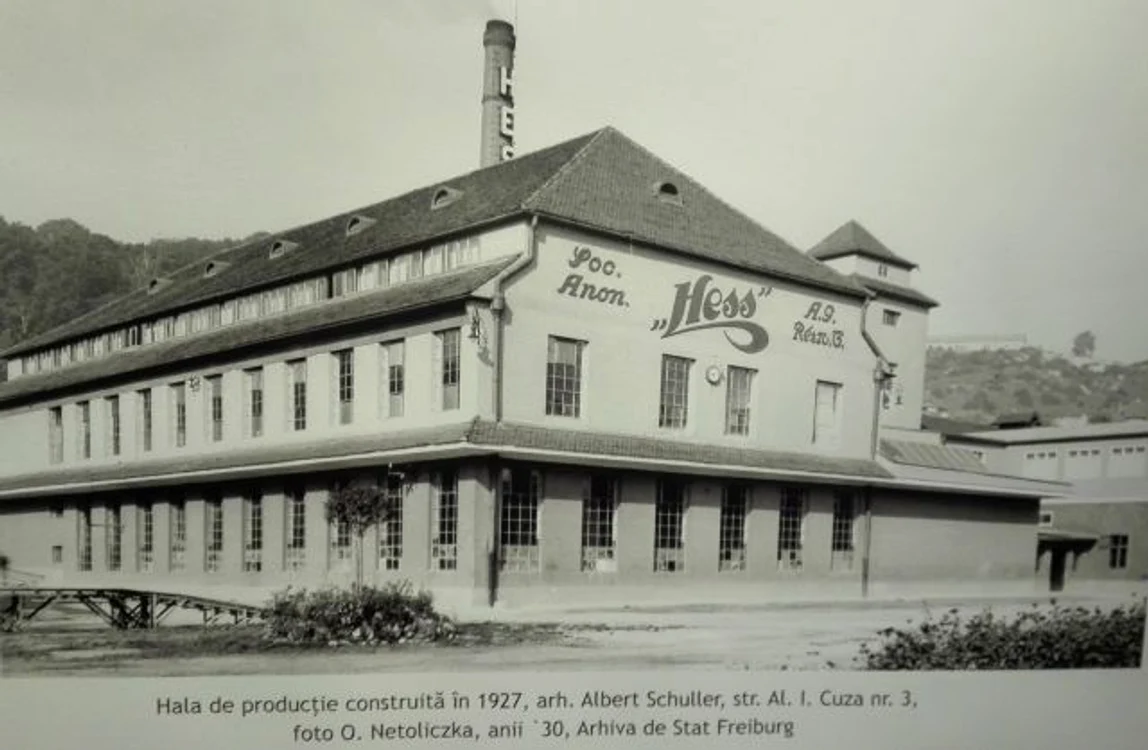
The move contrasts with an earlier withdrawal of major chocolate production from Romania. Brașov had been a centre of Romanian chocolate and sugar-confectionery manufacturing for more than a century. The Hess factory, established in 1899 as Transylvania’s first candy and chocolate plant, passed through mergers, nationalisation and several names, including Dezrobirea and Cibo. During the 1960s, the factory created Poiana, which became Romania’s best-selling chocolate brand.
Kraft Foods, later part of Mondelēz International, acquired the Brașov factory in 1994. It modernised recipes and expanded the Poiana brand, but announced in 2008 that the plant would close and its production lines would be relocated to other countries for cost-efficiency and logistics reasons. Poiana chocolate is now produced in Bulgaria, according to BizBrașov. The former factory site was sold and is now occupied by a Lidl store.
Ferrero’s proposed Timișoara facility does not recreate the industrial model lost in Brașov, and no connection between the two sites has been announced. It nevertheless restores large-scale international investment in Romanian confectionery manufacturing after a period in which prominent domestic demand was increasingly supplied from factories elsewhere. For producers, packaging suppliers and logistics companies, the commercial significance will become clearer once Ferrero identifies the products, capacity, employment level and timetable for the plant.