FEFAC: heatwave losses to push EU maize imports above 26 million tonnes
Repeated heatwaves and drought have caused heavy losses in forage and summer crops across the EU, and the feed industry association FEFAC expects additional maize import needs of more than 7 million tonnes. That would lift total EU maize imports above 26 million tonnes, sourced mainly from Ukraine, the United States and Brazil. FEFAC is asking Brussels to reactivate the crisis measures introduced in 2022.
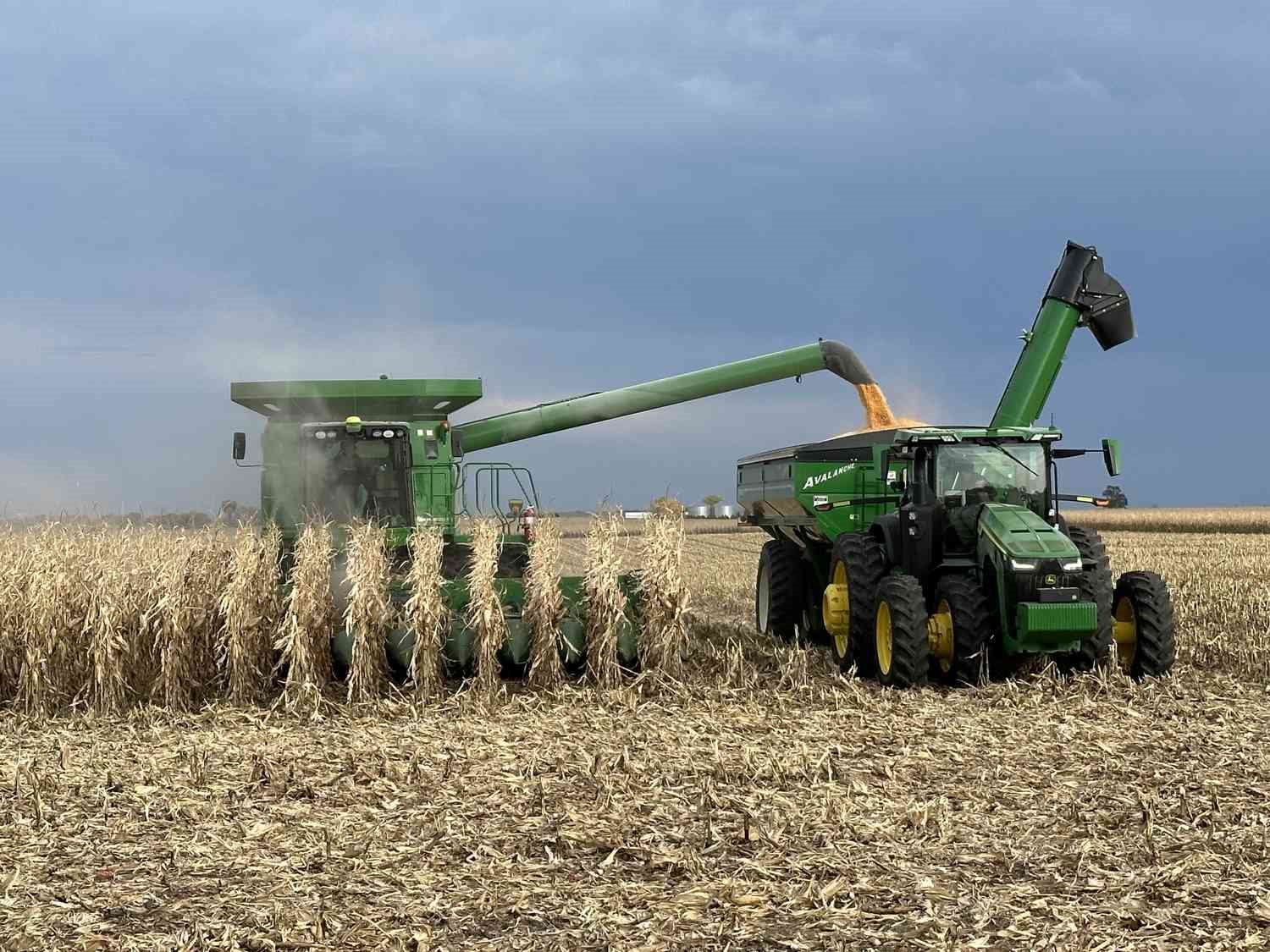
Successive heatwaves and drought across Europe have caused serious losses in coarse forage and summer crops, and the EU feed industry association FEFAC now expects the bloc's additional maize import requirement in the new marketing year to exceed 7 million tonnes, lifting total EU maize imports above 26 million tonnes, agronews.gr reported.
FEFAC's national member associations confirmed substantial adverse effects from repeated heatwaves in many EU member states, in Central, Southern and South-Eastern Europe as well as in key producing regions of North-Western Europe. The assessment matches the findings of the MARS crop monitoring report from the European Commission's Joint Research Centre, published days earlier, and an initial impact assessment by the farm and cooperative organisation Copa-Cogeca. FEFAC considers the situation more severe than the last major EU heatwave, recorded in 2018.
Ruminant herds feel it first
The most serious supply chain effects concern the shortage of coarse forage and summer crops, which mainly hits the cattle population. Livestock farmers are already drawing on silage and forage set aside for the winter, increasing the risk of feed shortfalls later in the season. The expected significant decline in EU maize output will add to the pressure over the coming months by reducing the availability of both maize silage and maize grain on the EU market.
Import needs and logistics
The EU carries a structural deficit in maize. FEFAC market experts put additional import needs for the new marketing year at more than 7 million tonnes, taking total EU imports above 26 million tonnes, with Ukraine, the United States and Brazil as the main origins. The federation also wants easier access to feed grain from other third countries in order to diversify supply.
Transport is a second constraint. Persistently low water levels on the main inland waterways are forcing significant volumes of feed raw materials onto road and rail, raising freight costs. FEFAC asks member states to allow temporary national derogations on driving hours for feed trucks and to raise the maximum permitted load for cross-border feed transport to 44 tonnes. National derogations already exist but do not currently apply to cross-border feed movements into drought-hit regions. Additional state aid to reduce fuel costs along the feed chain is also requested.
Fibre, protein and the deforestation rules
Wider market access to imported fibre-rich crops and by-products is described as essential for ruminants to offset lost forage, specifically palm kernel expeller (PKE), sugar beet pulp and distillers grains. For PKE, the current EU Deforestation Regulation application date of 31 December 2026 would sharply reduce market availability; EU imports currently run at 2 million tonnes a year.
A smaller forage harvest also widens the EU's feed protein deficit, including for organic feed materials, and adds demand for imported soy products. FEFAC's latest assessment of EUDR-related trade disruption points to additional direct sourcing costs for soy feed products of more than 1 billion euros in 2027, with no guarantee of sufficient market availability to cover expected EU import demand, which stood at 35 million tonnes in 2025. FEFAC calls this economically unviable for EU livestock farmers against reduced prices for most livestock products.
Measures requested from Brussels
FEFAC wants the full range of EU crisis management measures introduced in 2022, during the combined impact of COVID and the Russian invasion of Ukraine, to be reactivated. Its short-term list includes:
- uninterrupted transit and market access for feed grain originating in Ukraine;
- temporary national derogations for risk-based maximum residue limits on imported grain destined solely for feed use, subject to EFSA assessment, as applied in 2022;
- suspension of the EUDR for palm kernel expeller to keep a key alternative fibre source available for ruminants in 2027;
- faster simplification and a lower administrative burden under the EUDR for soy products used in feed;
- extension of temporary EU derogations for protein sources in organic feed and for forage.
Over the medium to long term, FEFAC asks the EU to accelerate work on the resilience of domestic feed grain and forage production under the recently published EU Protein Action Plan, including improved seed for drought-tolerant crops using NGT technology. It also calls for targeted investment through the European Competitiveness Fund in transport, logistics and infrastructure, including storage capacity, which could lower the cost of moving grain and forage from surplus to deficit regions of the EU.