Falling sales sharpen competition in Israel’s spirits market
Declining sales are intensifying competition in Israel’s spirits industry as boundaries between beverage categories become less distinct. TheMarker reports that established producers are entering segments where they previously had no presence.
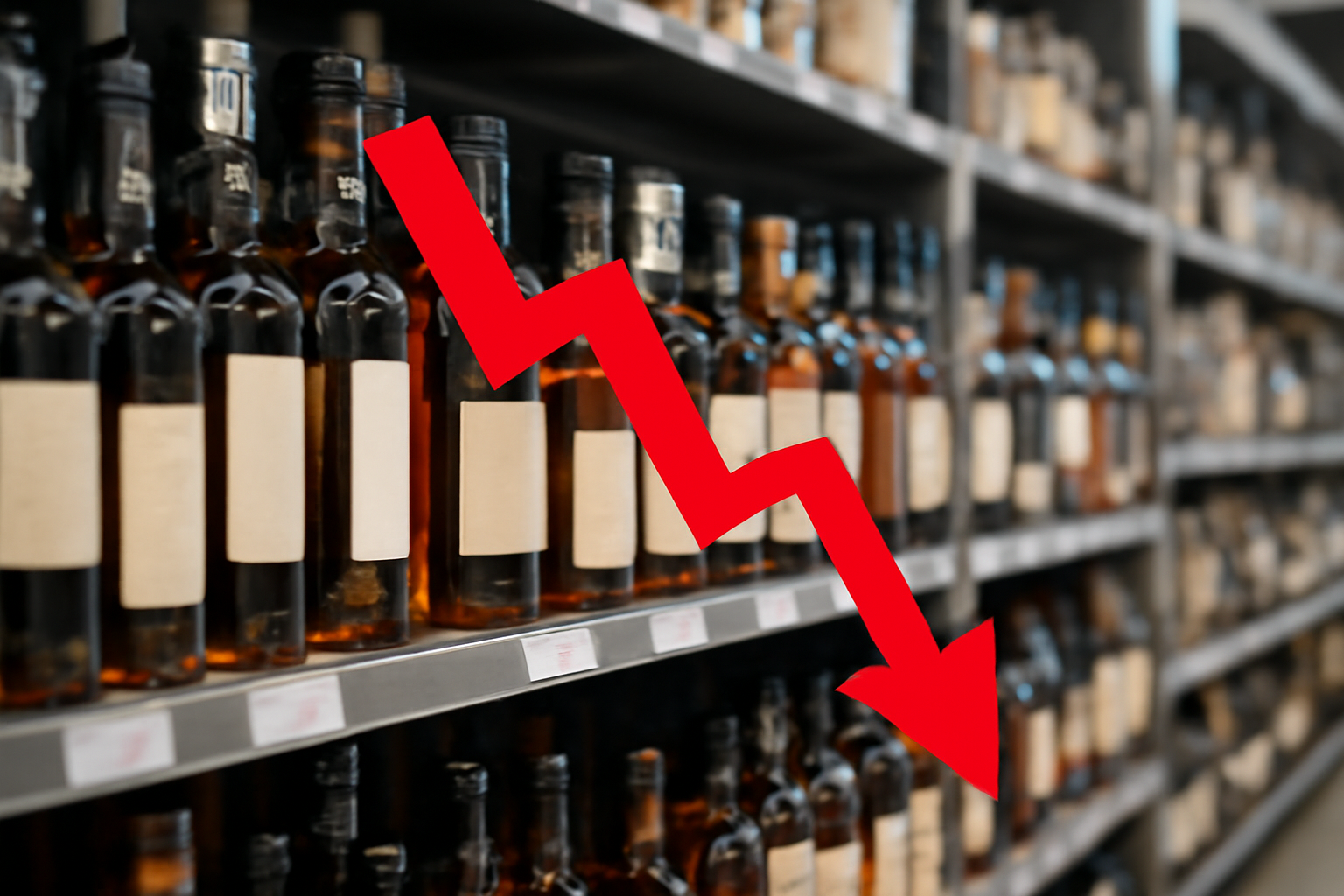
Sales decline raises competitive pressure
Falling sales are making competition more difficult in Israel’s spirits market, according to TheMarker. The contraction is increasing pressure on established producers at a time when the industry’s direction is becoming less predictable. Companies can no longer rely solely on their traditional categories to defend revenue and shelf space.
The available source material does not provide the value or volume of the decline, its period, or sales figures for individual companies. It nevertheless identifies a broader shift in the competitive environment: weaker demand is coinciding with producers moving beyond the segments in which they have historically operated. That combination can increase the number of brands competing for the same consumers, retailers and drinking occasions even if total market sales are falling.
Category boundaries become less distinct
TheMarker says the boundaries between different beverage categories are becoming blurred. For producers, this means that competition is no longer limited to companies selling the same type of spirit. A traditional spirits supplier may increasingly face products positioned around flavour, convenience, price or consumption occasion rather than a clearly defined category.
This development changes how producers and distributors assess their competitors. Brand recognition within one established segment may offer less protection when consumers can choose among products from adjacent beverage categories. Retailers, bars and restaurants may also compare a wider range of products when allocating shelf, menu and promotional space. The competitive contest therefore extends beyond production and into distribution access, product positioning and the ability to secure consumer attention.
Established producers enter unfamiliar segments
Veteran manufacturers are testing market segments in which they previously did not operate, TheMarker reports. The move suggests that established companies are seeking additional sources of sales as their core businesses face greater pressure. Entering another segment can give a producer access to new consumers and consumption occasions, but it also places the company against incumbents with existing distribution, pricing and brand recognition.
The strategy carries operational implications across product development, manufacturing and sales. Producers entering a new beverage segment may need different formulations, packaging and marketing, while distributors must decide how new products fit within existing portfolios. Retail buyers will also have to judge whether these launches create additional demand or merely divide sales among a larger number of competing products.
Industry outlook remains uncertain
TheMarker characterises the future of the spirits industry as unclear. With no numerical forecast or company-level sales data in the supplied material, the scale and duration of the downturn cannot yet be established. It is also not possible to determine from the source excerpt whether the decline affects all spirits categories equally or is concentrated in particular products and channels.
For producers, processors, importers and distributors, the immediate issue is how falling sales interact with the expansion of established companies into new segments. More launches can intensify competition for listings and promotional support without guaranteeing growth in overall demand. Market participants will need to watch whether category expansion produces genuinely new consumption or mainly transfers sales between brands and beverage types.