Extreme weather cuts South Australian orange and mandarin supply
Record-breaking heatwaves followed by colder, wetter winter conditions have reduced orange and mandarin volumes from South Australia’s Riverland. Australian shoppers may see fewer of the region’s citrus fruits on store shelves.
Riverland citrus volumes decline
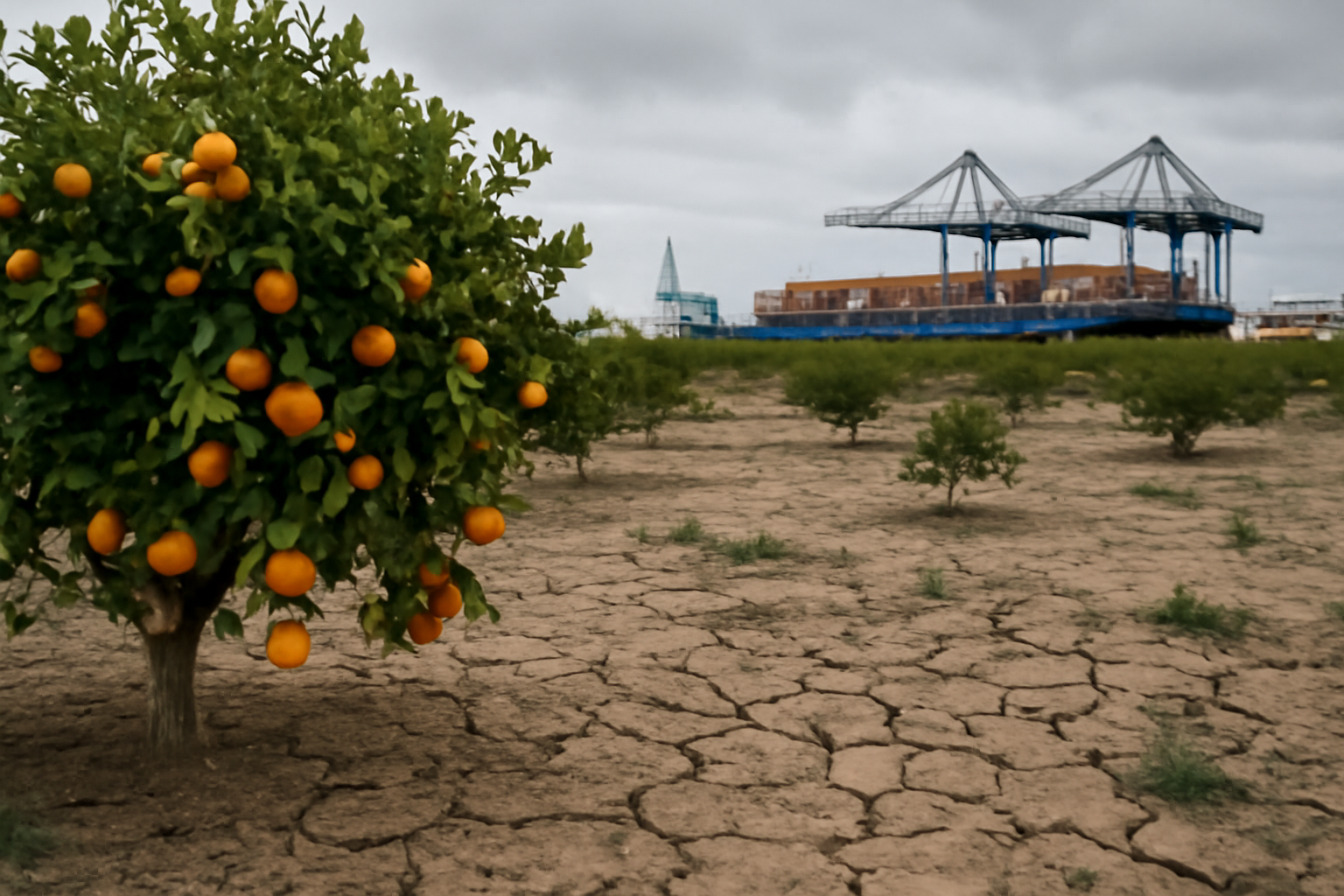
Orange and mandarin supplies from South Australia’s Riverland region are falling after growers faced sharply contrasting weather conditions. Record-breaking heatwaves were followed by colder and wetter winter days, reducing the volume of citrus fruit reaching Australian store shelves.
The decline affects two important categories in the fresh citrus market. With fewer Riverland oranges and mandarins available, shoppers may encounter more limited supplies of South Australian fruit. The available information does not quantify the reduction or specify how long the tighter supply is expected to last.
The Riverland’s production difficulties illustrate how weather at different stages of the growing cycle can shape the quantity of marketable fruit. Extreme heat and an unusually cold, wet winter present different challenges, but both have contributed to lower volumes reaching the retail market.
Retail availability comes under pressure
The immediate consequence is a smaller flow of Riverland citrus into Australian distribution and retail channels. The impact is expected to be visible through availability rather than a confirmed change in price, as no retail or wholesale price figures have been reported.
Retailers and citrus buyers must manage a reduced supply of oranges and mandarins from the affected region. The situation may influence sourcing decisions, shelf allocation and promotional planning, particularly for businesses that normally rely on Riverland production. However, there is no information indicating whether supplies from other Australian growing regions can offset the decline.
For consumers, the clearest effect is the possibility of seeing fewer South Australian oranges and mandarins on shelves. The reported shortage concerns regional supply rather than a confirmed nationwide absence of either fruit. The scale of the effect will depend on how much Riverland volume is lost and what alternative fruit is available to retailers, neither of which has been detailed.
Weather risk remains central for growers
For Riverland producers, the season demonstrates the operational risk created by consecutive weather extremes. Growers first had to contend with record heatwaves and then with winter conditions described as both wetter and colder. That sequence has reduced the amount of fruit progressing from orchards to the commercial market.
Lower marketed volumes can affect the entire citrus chain. Producers have less fruit to sell, packers and distributors handle fewer regional consignments, and retailers receive less South Australian supply. The available material does not provide figures for orchard yields, rejected fruit, packing volumes or financial losses, so the commercial impact cannot yet be measured.
The supply decline also matters for market analysts assessing the Australian citrus season. Weather-related reductions in one production region can alter the balance between local sources, but there is no reported evidence yet of changes to interstate flows or international trade. For now, the confirmed development is narrower: extreme conditions have cut Riverland orange and mandarin volumes reaching Australian shelves.