Expanded Thailand-Peru FTA Opens 1,766 More Product Lines to Thai Exporters
Peru will open another 1,766 product lines to Thai goods under the completed expansion of the bilateral free trade agreement. Thailand will liberalize 3,204 lines for Peru, while Thai investors will be allowed full ownership in almost all Peruvian service sectors.
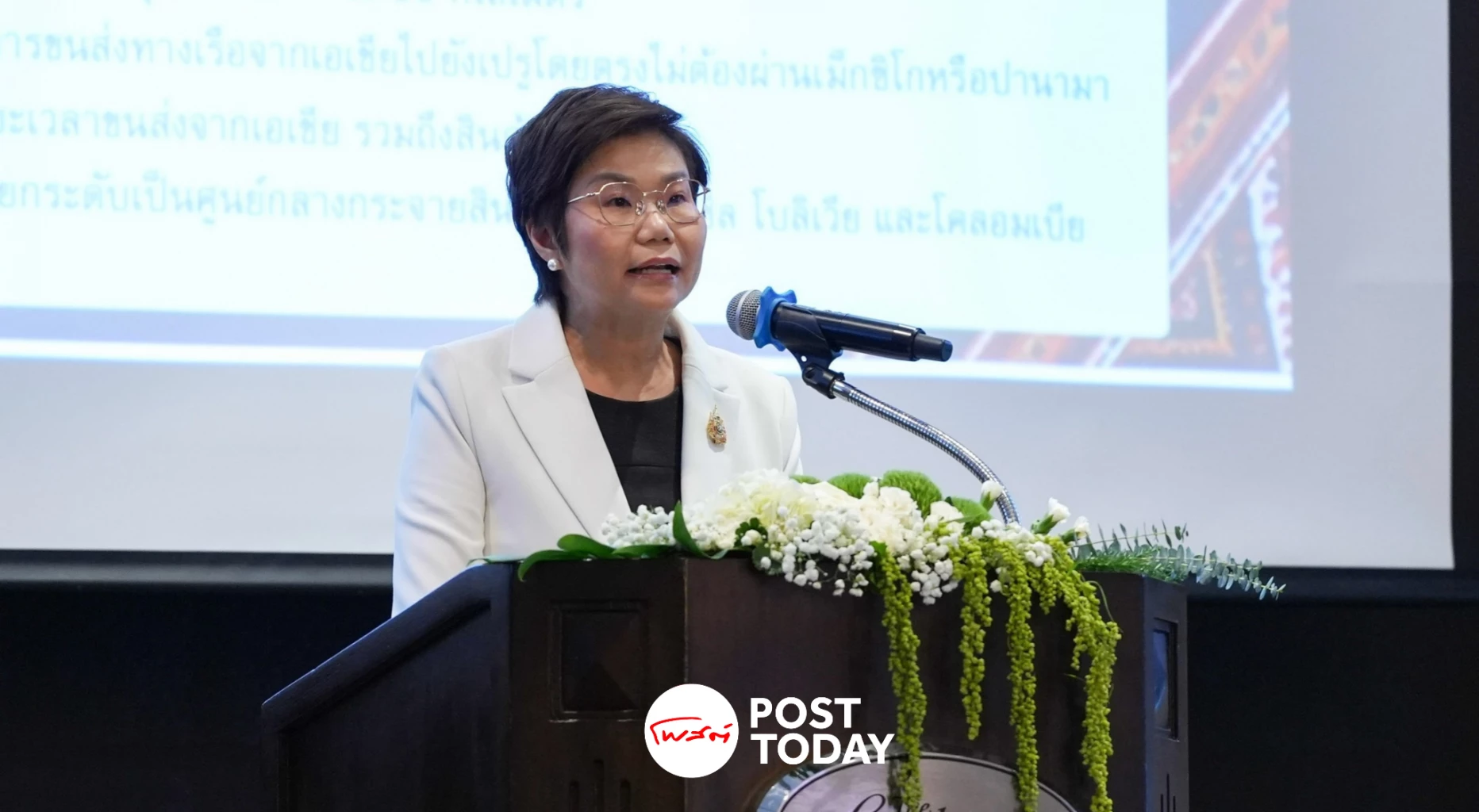
Peru extends access across the remaining 30%
Thailand and Peru have completed negotiations to expand their bilateral free trade agreement, creating additional market access for goods and services. According to Post Today and Commerce News Agency, the upgrade was concluded late last year, and Thailand’s Department of Trade Negotiations is now preparing businesses to use the new preferences in Peru and the wider South American market.
Peru will open 1,766 product lines to Thai suppliers as part of the remaining 30% of goods trade covered by the expansion. The products identified by the Thai authorities include fish meat, selected fruit, pharmaceutical products, automobiles and automotive parts. The measure gives Thai manufacturers and food processors a broader tariff route into a market where vehicles and components are already among Thailand’s principal exports.
Thailand, in turn, will open 3,204 product lines to Peru. These include chemicals, iron and steel, vehicles, meat, selected fish products and fishmeal. Thai officials presented the liberalization as an opportunity for domestic manufacturers to diversify their sources of raw materials and intermediate goods, rather than solely as an increase in competition from Peruvian finished products.
Services and investment gain wider coverage
The agreement also expands access in services. Thailand will permit Peruvian investors to hold equity in selected activities, including general consulting and management services and construction work requiring specialist expertise. Peru will allow Thai investors to own 100% of businesses in almost all service sectors. Thai officials highlighted potential opportunities in legal services, construction, engineering and tourism, alongside goods industries such as automobiles, refrigerators and pharmaceuticals.
Commercial access will not remove every operating constraint. Spanish is the principal business language in Peru, while freight costs between Thailand and the South American market remain relatively high. These factors may be especially important for smaller exporters and for low-margin or bulky goods, even where tariff treatment improves.
Chancay port could shorten Asian supply routes
The opening of Peru’s Chancay port in late 2024 could partly offset the logistics burden. Khwanapa Phio-nil, deputy director-general of Thailand’s Department of Trade Negotiations, said the port could reduce shipping time from Asia, including Thailand, to Peru by about 10–12 days. Chancay is also expected to serve as a distribution hub for onward trade with neighboring markets including Brazil, Bolivia and Colombia.
Peru is Thailand’s fourth-largest trading partner in South America, after Brazil, Argentina and Chile, and its 60th-largest partner worldwide. Bilateral trade reached $358.85 million in the first half of 2026, an increase of 39.55%. Thailand exported $256.17 million of goods to Peru and imported $102.68 million, implying that Thailand recorded a merchandise trade surplus during the period.
Thailand’s main exports included automobiles and parts, processed food, washing and drying machines, machinery and components, and rubber products. Its principal imports included fresh, chilled, frozen and processed aquatic products, natural gas, vegetables, fruit, other metallic ores, and plants and plant products. The additional tariff openings therefore build on an existing trade relationship that combines Thai manufactured exports with Peruvian supplies of food, energy and industrial raw materials.