Circana: Europeans Cut Alcohol Spending as Low- and No-Alcohol Sales Rise 7.3%
A Circana study of six European markets found total beverage spending up 2.9% to €180 billion between June 2025 and June 2026, while volumes rose just 0.5%. Spending on alcohol fell 0.8% and low- and no-alcohol alternatives grew 7.3%, with wine down 1.5% and spirits down 2.2%. Germany was the only market to record a volume decline, at 2.7%.
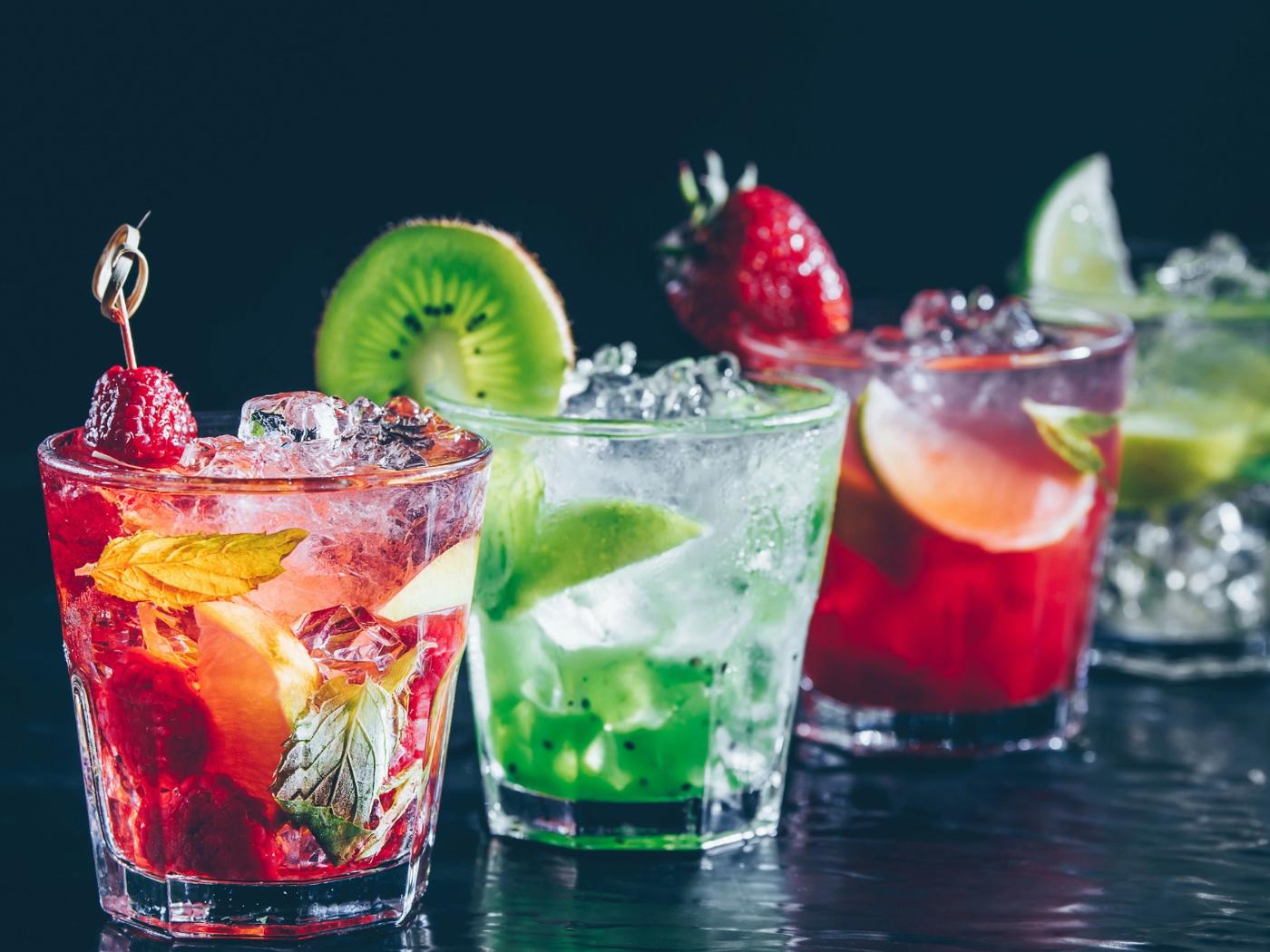
European consumers are spending more on drinks while buying barely more of them, and alcohol is losing share of the basket. A Circana study covering June 2025 to June 2026 in France, Germany, Italy, the Netherlands, Spain and the United Kingdom — the six largest European fast-moving consumer goods markets — found total beverage spending up 2.9% to €180 billion, while volumes rose only 0.5%. Average prices increased 2.3%, which accounts for most of the value growth. The findings were reported by Gazzetta del Gusto.
Alcohol loses ground in every category
Across the six markets, spending on alcoholic drinks fell 0.8%, while sales of low- and no-alcohol alternatives rose 7.3%. The decline was spread almost evenly across categories: beer fell 0.9%, cider 1.2%, wine 1.5% and spirits 2.2%.
Promotional pressure did not reverse the trend. Around 41% of beer and 37% of alcoholic beverages overall were sold on promotion during the period, against 25% for the beverage sector as a whole. Even so, only 15% of respondents said they were buying more alcohol.
Stated consumer behaviour points the same way. Half of consumers aged 25 to 39 said they had reduced their alcohol consumption, and across the full sample 43% said they buy less alcohol, postpone the purchase or give it up entirely.
Circana stresses that the wine figure is not a simple case of trading down to cheaper bottles. Part of the consumer base is choosing to drink less alcohol or to move to different categories altogether, as drinking occasions, formats and intermediate products multiply.
Where the money goes instead
Sales of non-alcoholic beverages rose 5.4% to €109 billion. Among those surveyed, 44% said they buy more bottled water, 31% more juices and smoothies and 29% more tea and coffee, with energy drinks, sports drinks and yogurt-based products also growing. In volume terms the fastest-moving categories were ready-to-drink spirits, up 12.9%, yogurt-based drinks, up 12.3%, and still water and plant-based drinks, both up 5.2%.
New product launches generated €242 million in incremental sales over the year. Milk-based drinks accounted for €161 million of that total, while low- and no-alcohol products and bottled water each contributed €32 million.
Markets diverge on price and volume
Italy mirrored the European average on value but not on volume: spending rose 2.9% while the quantities bought remained broadly flat. In Spain prices rose 2.4% and volumes 2.6%, and in France the increase in spending was driven mainly by larger quantities purchased. Germany was the only one of the six markets to post a volume decline, at 2.7%, combined with a 4% rise in prices.
Private label now accounts for 35% of total beverage spending in the markets surveyed. Own-brand products are gaining ground in categories traditionally tied to brand strength and producer reputation, including coffee, wine and Champagne.
A generational shift, not a cycle
According to Ananda Roy, Senior Vice President Strategic Growth Insights at Circana, alcohol has progressively lost appeal over the past five or six years, and younger generations show habits that differ from those of previous ones. Roy also notes that there is currently no sign that younger consumers increase their alcohol consumption as they get older, which means the issue for the drinks industry may go beyond a cyclical phase.
For wine, the combination is demanding: falling alcohol consumption, sharper price sensitivity, a proliferation of alternatives and new expectations around alcohol content, sugar and calories. Wine will keep an important place in European habits, but the Circana data indicate that competition no longer comes only from another bottle — it can be an alcohol-free beer, a ready-to-drink, an iced tea, a functional beverage or simply water.