European heat-pump sales rise 11% as German subsidy applications double
Residential heat-pump sales across 12 major European markets rose 11% to 1.16 million units in the first half of 2026. Germany led the recovery, although analysts said expiring incentives may have brought some demand forward.
European market returns to growth
Residential heat-pump sales across 12 major European markets increased 11% in the first half of 2026, according to European Heat Pump Association data reported by Milano Finanza and Il Giornale d’Italia. Volumes reached 1.16 million units, up from 1.05 million in the same period of 2025. The figures indicate that the industry is beginning to recover after a pronounced slowdown in 2024 and part of 2025.
The improvement was spread across several core markets, including Italy, France, Germany, the Netherlands and Belgium. Higher oil and gas prices following geopolitical tensions in the Middle East helped make electric heating alternatives more competitive. The publications also cited European Commission support for electrification, including efforts to reduce electricity taxation and provide more favorable grid conditions for heat-pump users.
Banca Akros said the figures represented an improvement in market fundamentals, although part of the increase reflected an easier comparison with the weak 2024-2025 period. The bank viewed the data as evidence that inventory reduction is progressing and demand is gradually normalizing. That distinction matters for manufacturers and component suppliers because sales growth supported by lower channel stocks is more durable than a temporary rebound in distributor orders.
Germany drives demand ahead of subsidy reductions
Germany produced the strongest near-term demand signal. Applications for subsidies covering heat-pump installations reached about 44,000 in July 2026, compared with 22,000 in July 2025. August applications rose to 43,000 from 21,000 a year earlier. Equita described Germany as Europe’s largest heat-pump market and said the application volumes should support market activity.
The surge coincided with a gradual reduction in German incentives that began on July 21. Equita estimated that the total value of incentives would decline each year at a high-single-digit percentage rate. The broker cautioned that the increase in applications may reflect a combination of higher gas prices, underlying demand and pre-buying by households seeking to secure more favorable subsidies before the reductions took effect.
This timing leaves manufacturers with an important test in the coming quarters. Installations generated by approved applications could support order books, but demand after the subsidy adjustment will show whether the market has established a sustainable recovery. Energy prices, electricity costs and the relative economics of replacing existing residential heating systems will remain central to purchasing decisions.
Ariston and suppliers gain exposure to the rebound
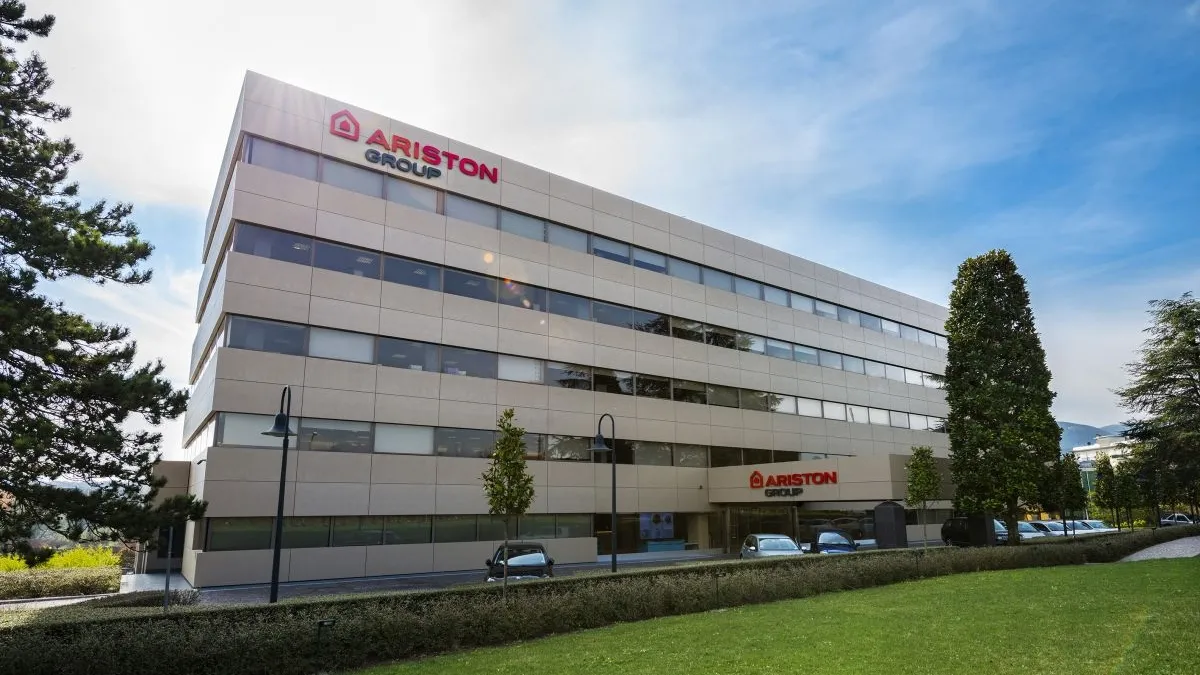
Ariston is among the companies most directly exposed to the German recovery. Equita estimates that Germany accounts for 17-18% of the group’s total sales, with heat pumps representing more than 50% of its business in that market. Banca Akros said Ariston’s portfolio of heat pumps, hybrid systems and renewable heating solutions, together with its exposure to residential replacement demand, positions it to capture part of a broader European rebound.
The effects may extend into the component supply chain. Equita estimates that Carel Industries and Lu-Ve each have indirect exposure to the heat-pump market at a high-single-digit percentage. Both Equita and Banca Akros maintained buy recommendations on Ariston, with target prices of €4.50 and €4.70 respectively. On September 29, Ariston shares rose 2.23% to €4.224. The market data support a normalization case, but the durability of German demand after the incentive change will determine how much of the current momentum translates into sustained production and supplier volumes.