European glass packaging industry launches Glass is Love campaign in 13 countries
European container glass federation Feve has launched the Glass is Love brand and engagement platform across 13 countries. The campaign seeks to strengthen demand for glass packaging by emphasizing product protection, design, safety, recycling and reuse.
A coordinated campaign across 13 markets
Europe’s container glass industry has introduced Glass is Love, a brand and engagement platform designed to strengthen preference for glass among consumers, product manufacturers and other packaging-chain participants. According to Italian financial publication SoldiOnline, the project is promoted by Feve, the European Container Glass Federation, and was presented jointly with Assovetro, the Italian glass industry association.
The campaign is being launched simultaneously in 13 European countries: Austria, Belgium, Croatia, the Czech Republic, France, Germany, Italy, Poland, Portugal, Slovakia, Spain, Switzerland and the United Kingdom. These markets include substantial food, beverage, cosmetics and pharmaceutical industries, all of which use bottles, jars and other glass containers. A common brand gives glass producers a single message across markets that differ in consumer preferences, packaging systems and recycling arrangements.
Safety, product quality and design
Glass is Love combines technical arguments with an emotional message built around care for products, consumers and quality. Feve and Assovetro say glass protects contents without interfering with them and helps preserve the original characteristics of flavors and ingredients. Those claims are particularly relevant to food, beverages and sensitive products, where packaging performance and confidence in material safety can influence procurement and purchasing decisions.
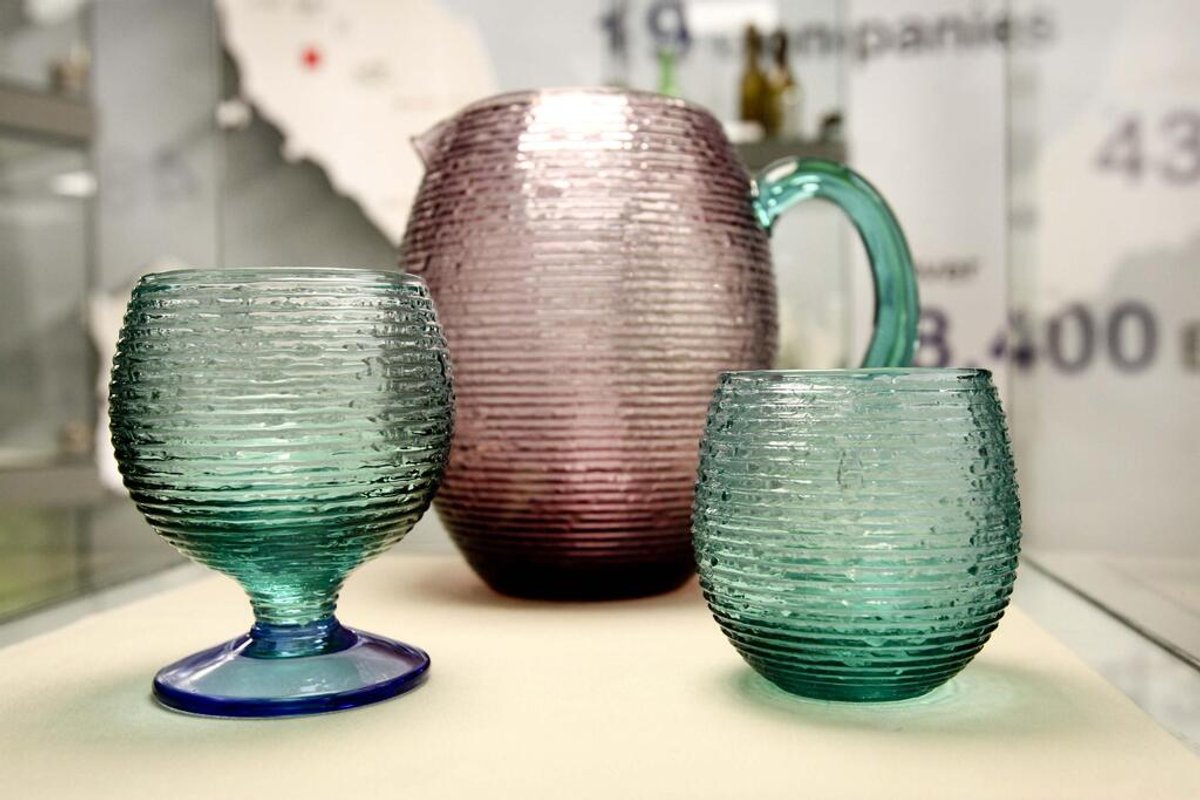
The campaign also presents the container as part of the product experience. Transparency, weight, shape and the perceived quality of glass bottles and jars can help brands distinguish products on shelves. This positioning makes the initiative relevant not only to container manufacturers but also to fillers, designers and consumer brands deciding whether the commercial value of glass justifies its production, handling and transport requirements.
Recycling underpins the environmental message
Environmental claims form another central part of the campaign. Feve and Assovetro emphasize that collected glass can be melted and made into new containers without losing quality. They also point to reuse as part of glass packaging’s role in a circular economy. The campaign therefore links consumer preference with the collection and processing systems needed to return used containers to production.
Glass is Love builds on Friends of Glass, Feve’s earlier consumer information and promotion initiative. The federation says the previous campaign created awareness, credibility and a community around glass packaging. The new platform broadens that approach by seeking engagement from brands and industry professionals as well as final consumers. Its commercial impact will ultimately depend on whether a shared European message influences packaging specifications and product availability, rather than awareness alone. For container producers, the 13-country launch offers a coordinated way to defend demand in several major end-use sectors. For food, beverage, cosmetics and pharmaceutical companies, it puts safety, product presentation and recyclability at the center of the material-selection debate.