European Gas Prices Rise Above €80/MWh as Storage Gap Raises Winter Risk
European TTF gas prices exceeded €80/MWh in mid-September, while December futures rose above €83/MWh. Storage sites were 68% full, compared with 80% a year earlier, leaving industrial buyers exposed to weather, LNG supply and geopolitical risks.
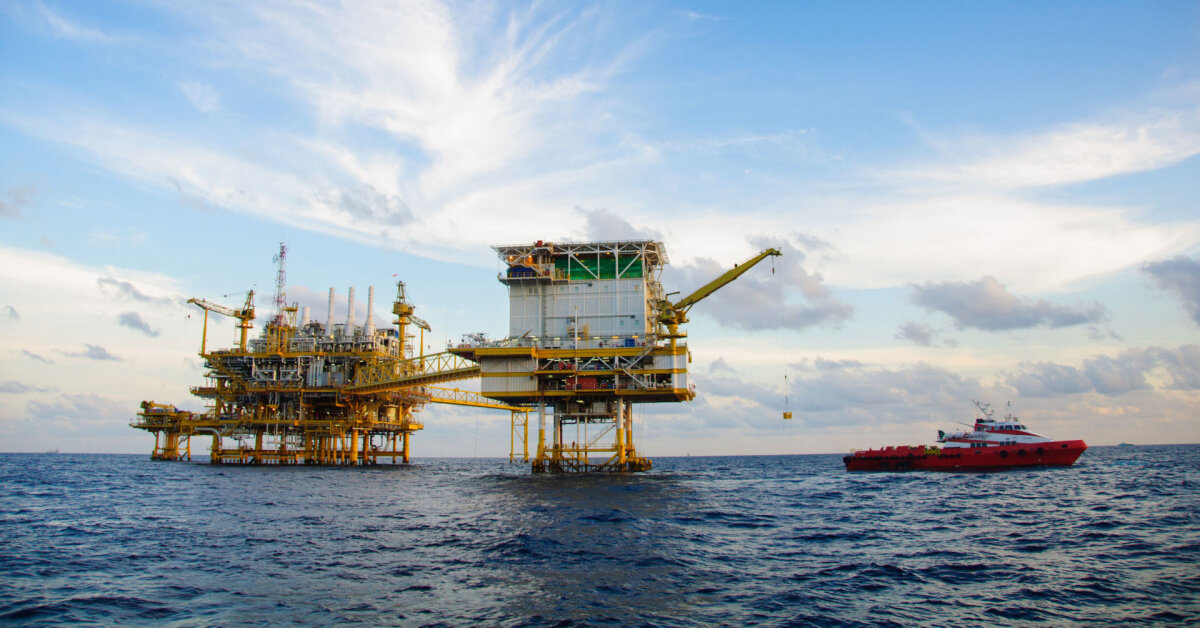
TTF prices extend their rise
European natural gas prices continued to rise in September as limited supply, storage replenishment, liquefied natural gas availability and geopolitical tensions shaped the market. According to Lithuanian business publication 15min.lt, prices at the Dutch TTF benchmark moved above €70/MWh in early September and exceeded €80/MWh by the middle of the month.
The forward market offers little immediate relief. October, November and December contracts were trading around similar levels in mid-September, with December futures above €83/MWh. The curve indicates that the market expects expensive gas to persist through the approaching heating season, although futures prices remain subject to changes in weather, demand and supply.
Prices are still well below the levels recorded during the 2022 energy crisis. However, 15min.lt reported that mid-September gas prices were more than twice as high as in the same period a year earlier. That year-on-year increase is already raising energy-cost uncertainty for industrial consumers and other gas-intensive businesses.
Storage and LNG supplies drive winter exposure
Europe entered this year's storage injection season with lower inventories. Storage facilities were only 68% full, compared with 80% at the same point last year and more than 90% in mid-September 2024. Market analysts had warned in July that even under a more favorable scenario, pre-winter inventories could remain below the average of previous years.
The smaller reserve makes the market more sensitive to unexpected changes in supply or demand. A colder winter would increase heating consumption and could push TTF prices substantially above the prevailing €80–83/MWh range. Some market scenarios cited by 15min.lt put a possible threshold at about €100/MWh, rather than presenting that level as a base-case forecast.
LNG availability is another source of uncertainty. Europe must compete with Asian markets for additional cargoes, while global supply chains remain exposed to geopolitical disruption. Shipping routes through the Strait of Hormuz are receiving particular attention because interruptions there could affect global LNG availability and, in turn, European gas prices.
Industrial buyers face a hedging decision
Mantas Masalskis, head of business solutions at energy services company Elektrum Lietuva, said companies should focus less on predicting the exact market peak and more on determining how much price risk they can absorb. Fixing a price can give a company greater visibility over a significant share of future energy costs and reduce its exposure during the heating season.
A fully market-linked contract preserves the ability to benefit if prices fall, but leaves the buyer carrying all price volatility. A mixed approach can protect part of expected consumption at a fixed price while leaving the remainder linked to the market. The appropriate balance depends on the buyer's margins, cash flow and ability to pass energy costs through to customers.
Higher gas prices may also feed into wholesale electricity markets. Gas-fired generation is often called upon when cheaper wind and solar output cannot meet demand, making gas costs an input into the marginal electricity price. The relationship is not proportional, but expensive gas could become a more important power-price driver during winter, widening the exposure of companies that buy both gas and electricity.