European electric-car sales accelerate as July market share reaches 25.7%
Electric-vehicle registrations rose 13% year on year in July across 16 major European markets, reaching 25.7% of new-car sales. Lower-priced models, subsidies and higher fuel costs supported demand, but limited public charging infrastructure remains a constraint.
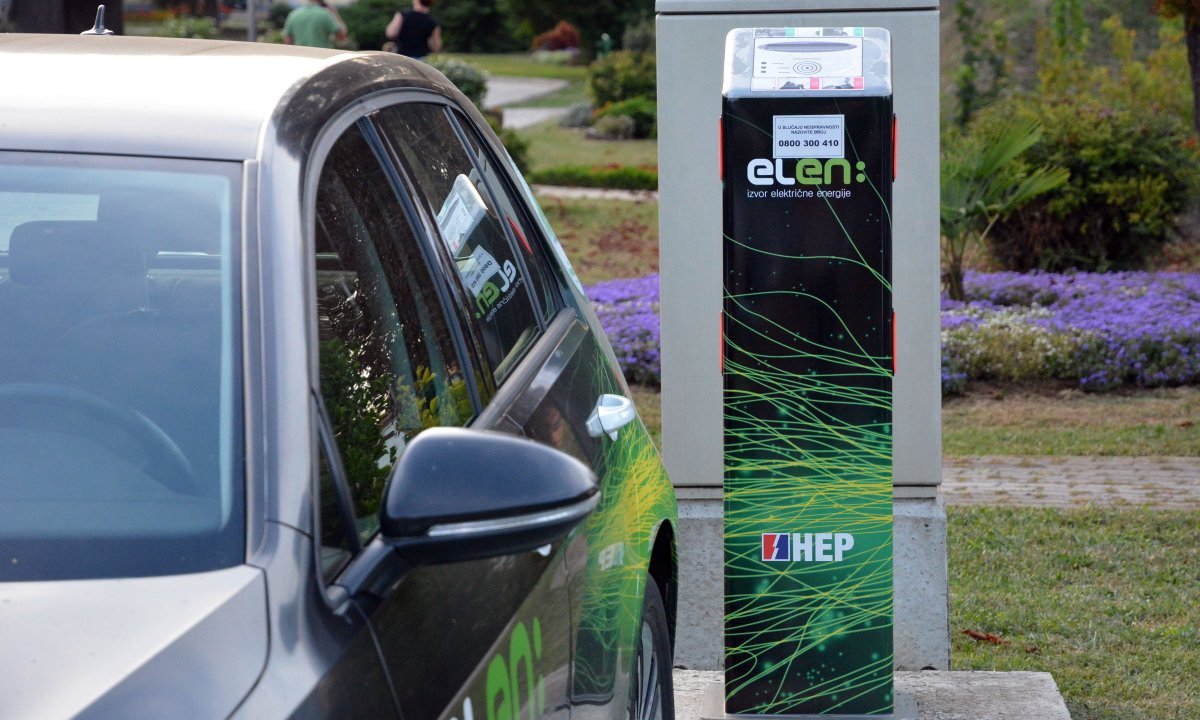
Electric vehicles gain share across Europe
Electric-vehicle sales accelerated across most European markets in July, supported by high fuel prices, government subsidies and a growing selection of more affordable models, according to data reported by tportal.hr and supplied to Reuters. Interest strengthened further after the war with Iran began in February and pushed up petroleum-product prices.
Data from New Automotive and E-Mobility Europe show that electric-vehicle registrations increased 13% year on year in July across 16 markets representing more than 90% of car sales in the European Union and the European Free Trade Association. Battery-electric vehicles accounted for 25.7% of all new cars registered in those markets.
The July result extends a strong first half. Industry data show that EU electric-vehicle sales rose 40.5% during the first six months of the year to more than 1.2 million cars. Their share of total sales reached 20.7%, indicating that battery-powered models are moving beyond a small segment even though adoption rates continue to vary by country.
France and the UK highlight the demand shift
France recorded one of the sharpest increases. Electric vehicles reached a record 35% of new registrations in July after the launch of a subsidised “social leasing” programme for lower-income buyers, compared with 17% a year earlier. Their share for the first seven months stood at 29%.
In the United Kingdom, electric vehicles generated more than half of Renault’s orders in July, while the Renault 5 was the country’s best-selling electric car. Renault plans to begin selling the electric Twingo at the end of the year with a starting price below £20,000 before any government subsidy. The launch illustrates how European manufacturers are using smaller and cheaper vehicles to broaden the addressable market.
Traditional European automakers and Chinese competitors are both expanding their ranges of lower-priced electric cars, often alongside public incentives. Chinese brands are also taking a larger share of the affordable vehicles offered on the used-car market, increasing competitive pressure across both new and second-hand channels.
Online marketplace OLX reported strong growth in electric-vehicle inquiries in France, Romania, Portugal and Poland since the start of the war with Iran. The pattern suggests that fuel costs are influencing demand beyond new-car showrooms and could affect residual values, dealer inventories and cross-border flows of used vehicles.
Charging capacity remains the main constraint
The European expansion contrasts with the United States. US electric-vehicle sales rose 15% in the second quarter from the first quarter but were more than 20% lower than a year earlier following the removal of the federal purchase tax incentive. Cox Automotive expects US sales to fall 23% from 2025 this year, leaving electric vehicles with a market share of only 6.2%.
Europe’s current momentum still faces two clear risks. Demand could weaken if oil prices fall again, reducing the fuel-cost advantage that has recently encouraged buyers. At the same time, insufficient public charging remains a major obstacle, particularly for millions of people living in apartments who cannot install private chargers.
For automakers, stronger adoption supports higher production volumes and a broader range of battery-electric models. For battery suppliers and charging operators, a 25.7% July market share points to rising demand for cells, components and public infrastructure. However, future growth will depend on whether affordable vehicles, incentives and charging deployment can continue supporting demand when energy prices change.