European drought set to cut 2026 corn harvest as French output falls 35%
Heat and prolonged water shortages are expected to reduce corn production across Europe in 2026. France’s harvest is forecast to fall 35% to 9 million tonnes, while smaller planted areas are weighing on output in Eastern Europe.
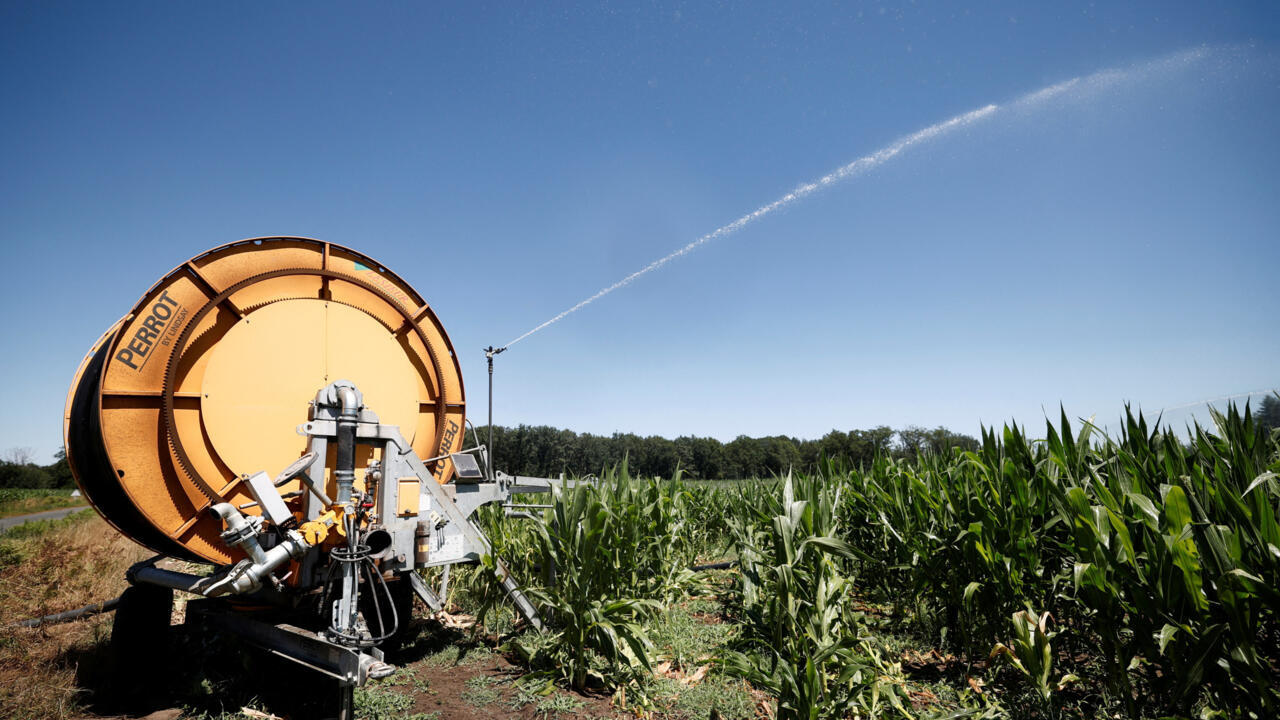
Drought hits yields and planted area
European corn production is expected to decline broadly in 2026 as extreme heat, drought and reduced planting affect major growing regions. RFI reports that the contraction could push the continent’s crop to a historically low level, with France facing the sharpest damage to yields.
The pressure extends beyond grain fields. In France, successive heatwaves and an exceptional drought have destroyed vegetable crops, scorched pastures and reduced milk production. Corn growers are confronting the same lack of moisture during a season in which high temperatures have further weakened yield prospects.
Arthur Portier, a corn producer in the Oise department and a consultant at Argus Media, told RFI that the causes differ across Europe. France is expected to suffer primarily through lower yields. In Romania, Hungary, Bulgaria and other Eastern European countries, several years of pronounced water deficits have led farmers to move away from corn, producing a substantial reduction in planted area.
French crop forecast at 9 million tonnes
The French government expects the country’s corn harvest to fall by 35% to just 9 million tonnes in 2026. According to RFI, that would be a historically low volume not recorded since 1980. The forecast makes France the clearest example of the yield damage caused by this year’s heat and drought.
The broader European decline therefore has two components: fewer tonnes harvested per hectare in severely affected areas and fewer hectares planted where recurring water shortages have made corn less attractive to farmers. This combination makes the reduction more widespread than a single-season weather shock concentrated in one country.
Latest forecasts also point to lower European production of wheat and other straw cereals in 2026, RFI reports. The simultaneous weakness across several crops could tighten the availability of domestically produced grain for processors, livestock producers and other large users.
Import demand likely to increase
Europe is consequently expected to import more corn to meet internal consumption. The size of that additional requirement was not specified, but the prospect of a generalized production decline increases the importance of external suppliers for European buyers.
Ukraine’s 2026 crop outlook is described as relatively favorable, yet logistics remain a major constraint. Portier said Black Sea traffic faces extremely high transport and insurance costs. As a result, Ukrainian suppliers may be unable to benefit in the short term from the strong European demand that could emerge in November.
Costs and supply risks move to the foreground
For feed manufacturers and livestock producers, a smaller regional crop raises exposure to imported corn and the costs associated with moving it into European markets. Traders will need to assess not only available export volumes but also freight capacity, insurance and delivery timing, particularly for Black Sea shipments.
European growers face a different calculation. Repeated water deficits have already encouraged farmers in parts of Eastern Europe to reduce corn acreage, while the French experience shows how quickly heat can erode yields even where the crop remains widely planted. The 2026 harvest will therefore test whether buyers can replace lost European supply while managing logistics that limit access to one of the continent’s nearest major grain sources.