European diesel prices surge as Germany faces renewed debate over fuel costs
Diesel prices rose sharply in Germany amid threats to shipping through Bab al-Mandab and continuing pressure around the Strait of Hormuz. Germany’s taxes, regulatory charges and climate-compliance costs have renewed debate over fuel-price controls, while Spain retains the EU’s second-cheapest diesel.
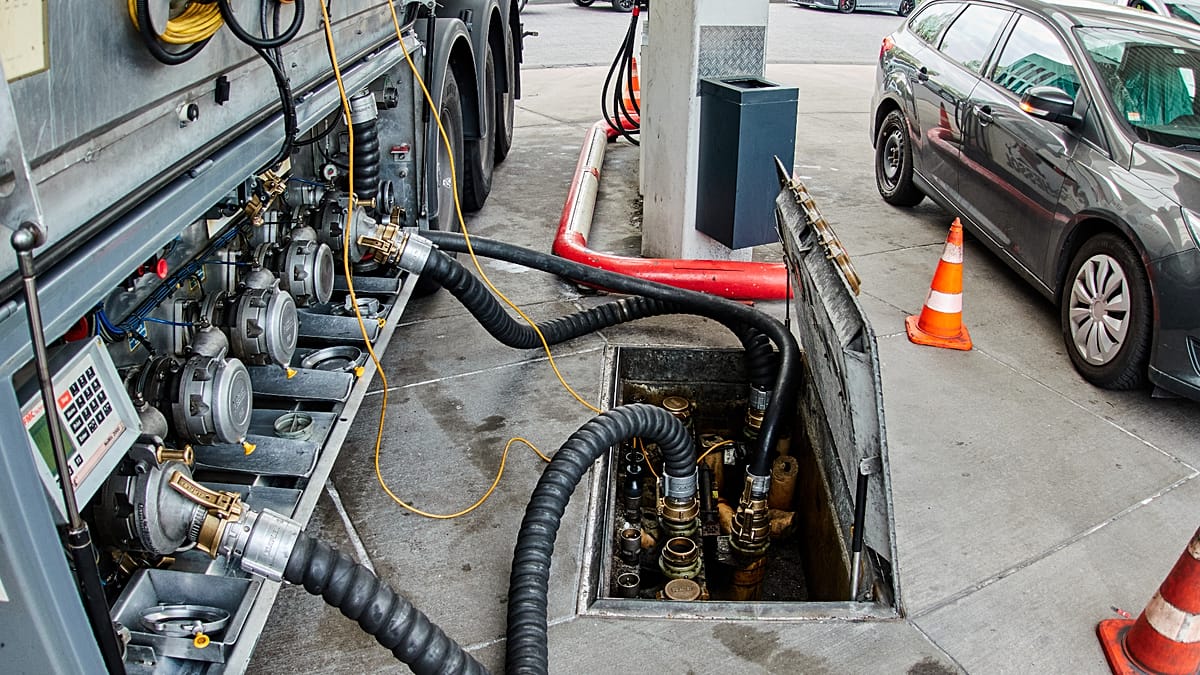
Shipping risks feed a new rise in European fuel prices
Diesel prices have risen sharply in parts of Europe as tensions around two strategically important waterways increase uncertainty over energy supplies and transport costs. In Germany, many filling stations raised their prices at midday on Saturday even though crude oil was not trading on exchanges over the weekend. Diesel climbed by about €0.20 per litre to roughly €2.56 at some stations, while petrol also became more expensive.
The immediate concern is Bab al-Mandab, the passage between Yemen and the Horn of Africa connecting the Red Sea with shipping routes between Europe and Asia. The Houthi militia has threatened to block the strait permanently. A renewed escalation could force merchant vessels to avoid the Red Sea and sail around the Cape of Good Hope, substantially lengthening journeys and increasing freight costs. That scenario has not yet developed fully, but expectations of disruption are already influencing the retail fuel market.
German diesel exceeds €2.38 on average
The latest increase comes after German diesel had already reached a new monthly high, averaging more than €2.38 per litre. The previous all-time record was €2.446 per litre, registered on 7 April. Because applicable rules allow prices to rise only once a day, at 12:00, queues formed at some filling stations on Saturday morning before the increase took effect.
Pressure is not confined to the Red Sea. The Strait of Hormuz, between Iran and Oman, remains another source of risk. It is one of the world’s most important routes for oil and gas, carrying a significant share of global crude oil and liquefied natural gas exports. Simultaneous pressure around Hormuz and Bab al-Mandab exposes European buyers to both potential supply disruption and higher shipping costs.
Taxes and climate rules widen Germany’s price gap
A Frontier Economics study commissioned by the Fuels & Energie industry association EN2X, whose members include BP, Shell and Esso, found that Germany has Europe’s cheapest diesel before state levies, taxes and certain regulatory costs are added. On the same basis, German petrol would rank second cheapest. The findings shift attention from the underlying fuel price to the charges imposed between wholesale supply and the pump.
The study identifies the EU Renewable Energy Directive and Germany’s stricter carbon dioxide targets as important cost factors. Companies facing higher penalties for missing those targets purchase certificates, including from electric-vehicle owners. According to the study, certificate-related costs add €0.18 per litre to German diesel, compared with €0.03-€0.09 in most other EU countries.
Spain and Malta retain a sizeable advantage
Spain currently has the European Union’s second-cheapest diesel at €1.795 per litre. Malta remains the least expensive market, followed by Spain, Bulgaria and Hungary. Malta’s government has frozen pump prices since 2020 at €1.34 per litre for petrol and €1.21 for diesel, demonstrating how direct state intervention can separate domestic prices from wider European market movements.
Germany’s high pump prices have renewed calls for measures such as a fuel-price cap and a levy on excess profits. The German government, however, attributes high prices to major companies. Economy Minister Katherina Reiche is preparing a national refinery strategy, with an initial meeting scheduled for October. The policy debate now has two distinct components: managing an immediate geopolitical price shock and deciding how taxes, climate obligations and competition should shape Germany’s longer-term fuel costs.