Europe’s electric-boat market targets $4.54 billion as Romanian conversions start at €2,000
Europe’s electric-boat market is projected to grow from about $1.28 billion in 2026 to $4.54 billion in 2031. In Romania, compatible conventional boats can be converted to electric propulsion from about €2,000, while complete new boats start at €7,000–8,000.
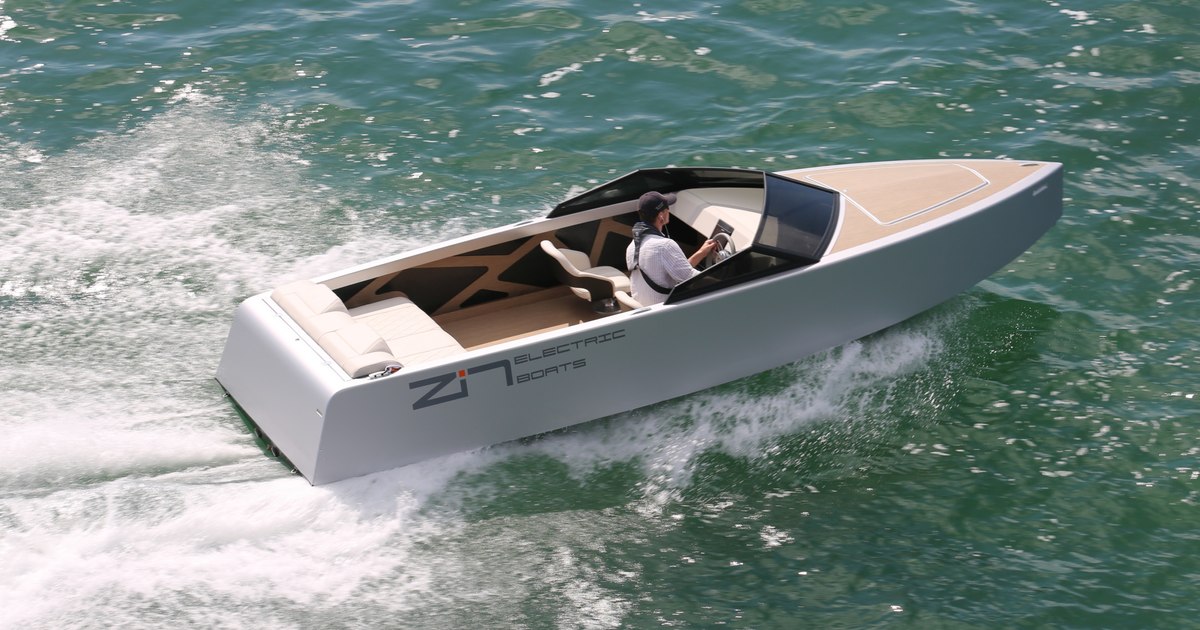
European market forecast to more than triple
Europe’s electric-boat market is entering a period of rapid expansion as demand grows across leisure boating, tourism, commercial operations and inland-waterway transport. A MarketsandMarkets estimate published in 2026 values the regional market at approximately $1.28 billion in 2026 and projects it will reach $4.54 billion in 2031. That implies average annual growth of 27.6% and makes Europe one of the fastest-growing regions covered by the forecast.
The same analysis values the global electric-boat market at about $4.39 billion in 2026, rising to $10.6 billion by 2031. The estimates include leisure and commercial boats as well as other categories of electric vessels. Development of electric propulsion, efforts to reduce emissions and noise, and broader use in tourism and inland transport are supporting demand.
The addressable market extends beyond small recreational craft. Available propulsion systems range from 1 kW to 90 kW. Systems of up to 7 kW are primarily suited to small fishing and leisure boats. The 8–55 kW range can serve medium-sized craft and professional applications, while 49–90 kW systems can be used for commercial vessels, ferries and river transport.
Romanian owners can convert existing boats
Romania’s market remains at an early stage, but owners do not necessarily need to purchase a new vessel to adopt electric propulsion. A compatible boat can retain its existing hull while its combustion engine is replaced with an electric motor and battery system.
According to data provided by Livoltek to Romanian publication Adevărul, the entry price is approximately €2,000 for a 1 kW electric motor and its battery. More powerful installations are priced individually according to the vessel’s size and weight, the required speed and the desired operating range. Livoltek representative Răzvan Iordache told Adevărul that Romanian demand for electric marine motors could increase by about 30–40% over the next two to three years.
Interest comes from fishing, leisure and tourism users, as well as projects developed by companies and public authorities. Electric motors offer quiet operation and eliminate exhaust gases during use. Those characteristics may be particularly valuable for fishing and tourism, while restrictions on fossil-fuel engines in some Romanian areas can provide an additional advantage.
Battery capacity drives price and range
Buyers choosing a complete new electric boat face a wider price range. A small fishing or leisure boat starts at about €7,000–8,000, according to the figures reported by Adevărul. A medium-sized boat costs approximately €10,000–12,000, while a larger leisure or tourism vessel can cost around €21,000–23,000.
Motor power and battery capacity account for much of the difference. Greater range requires more stored energy, and there is no single representative range figure because performance also depends on boat weight and, especially, cruising speed. In tests cited by Adevărul, a 3.8-metre aluminium boat covered approximately 25–35 kilometres with the motor operating at high power and more than 100 kilometres at low speeds.
For larger vessels, batteries must be sized around the route, operating time and required range. This makes project design and usage patterns central to commercial viability. Tourism operators may place a higher value on quiet, exhaust-free service, whereas ferries and river-transport operators must weigh reduced fossil-fuel consumption against the battery capacity required for regular routes.